Bruce Nolan

Electronic
Techno
Disco
 Viberate Rank: 489885
 Viberate Rank: 489885
 Monthly ListenersFollowers
 Subscribers
 Followers
 Followers
 FansTop Spotify Songs
| Track | 7-Day Streams | |
|---|---|---|
1 | 462 | |
2 | 292 | |
3 | 267 | |
4 | 220 | |
5 | 179 |
Top YouTube VideosMonthly ListenersFeatured in Playlists| Playlist | Followers | |
|---|---|---|
1 |  Tech House & Disco George Joyce | 39.99K |
2 |  Funky Groovy House Landolin van den Brink | 19.40K |
3 |  House Top 1000 Armada Music | 19.22K |
4 |  Disco House Remixes / Disco Remixes / Funky House Remixes / 70s 80s 90s 00s Edits & Covers Carolien van Breukelen | 12.67K |
5 |  102.7 WBMX B96 CHICAGO HOUSE CLASSICS B96 90'S HOUSE CLASSICS 80'S 90'S HOUSE TECHNO FREESTYLE MIX Carlos Herrera | 6.82K |
Audience| City | Monthly Listeners | |
|---|---|---|
1 |  | 137 |
2 |  | 105 |
3 | | 93 |
4 | | 75 |
5 |  | 56 |
See full performance history, audience data, playlist activity, rankings, comparisons, and more in Viberate music analytics. Start with a free trial, then continue with a paid plan.
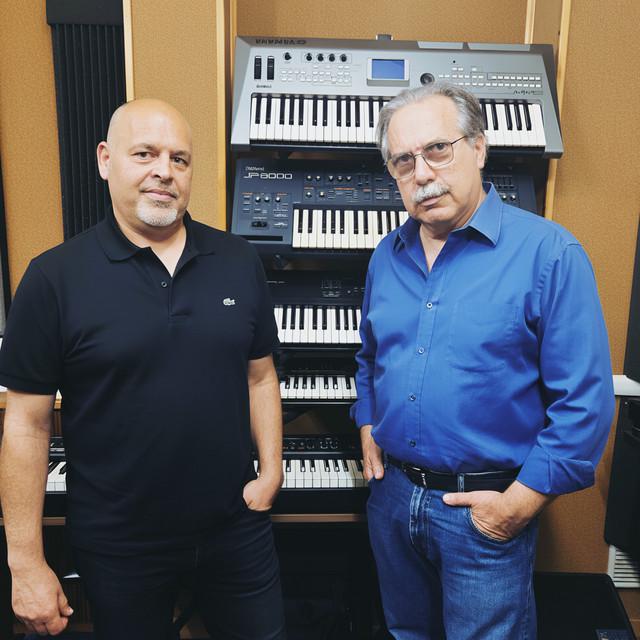
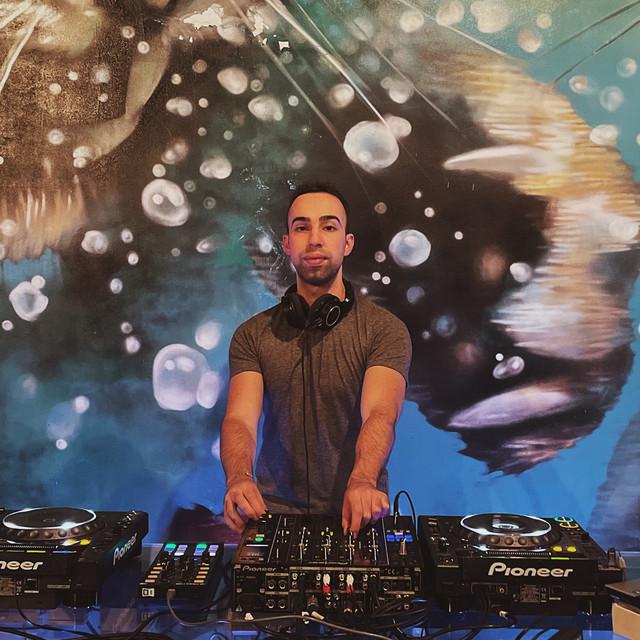
Bruce Nolan’s Spotify BioBruce Nolan aka René van den Berghe is a music producer and DJ, with a music background from the 90s.
In the early 90’s he released his first tracks on a successful Dutch House label called Stealth Records (Rotterdam), including Techno Grooves, B-Real and Fortune & Fame.
In this same period he release, under his alias Ian van Dale, his biggest hit so far “Mainx - 88 to piano” (Hithouse records). Followed by many more releases for labels as CC records (Vinylwatch and Chord Symbols), Black Hole, Clockwork and Substance.
After a short break his love for dance music never stopped him. So in 2018 he picked up on producing and DJ-ing again with his old mate René van der Weyde (aka Dave Leatherman).
Together they already have several Nu-Disco Top 10 hits to their name on the labels Suppressed Energy, Blockhead Recording, Springbok records and Chopshop Music.
In 2020 Dave & Bruce started producing together on a new label "NightSpot Recordings" from label owner Dave Leatherman, with the hottest… Nu-Disco top 10 hit so far "Everlasting".
Viberate is a music analytics platform built for A&Rs, artist managers, labels, booking agents, marketers, and artists.
It helps music professionals track artist growth, analyze audience data, monitor playlist activity, compare artists, follow song performance, and identify opportunities across the music market.
Public artist pages provide a free preview of selected artist data. Paid plans provide access to deeper analytics, historical data, charts, comparisons, playlist tools, exports, alerts, reports, and additional professional features.
Yes. Public Viberate artist pages provide selected artist analytics and music data for free.
Viberate also offers a 7-day free trial of the full platform. A credit card is required to start the trial. The trial includes access to the complete product so users can test deeper artist analytics, historical views, playlist insights, comparisons, charts, exports, alerts, and reporting features before choosing a paid plan.
Viberate provides artist analytics across streaming, playlists, social media, video, radio airplay, songs, and audience markets.
Users can analyze Spotify performance, Spotify and Apple Music playlists, YouTube activity, TikTok and Instagram growth, radio spins, song performance, audience locations, demographics, rankings, and overall artist momentum.
Artist profiles also connect to music charts, similar artists, and comparison tools, helping users benchmark performance and evaluate artists in context.
Viberate updates key artist and track data daily.
For followed artists and tracks, selected data is refreshed multiple times per day. This helps teams monitor playlist changes, streaming movement, audience growth, releases, and campaign performance with more current data.
Update frequency can vary depending on the metric and data source.
Yes. Viberate lets users compare up to five artists side by side across streaming, social media, audience, and engagement metrics.
Users can compare fanbase growth, audience demographics, locations, Spotify performance, social metrics, and other artist data over selected time periods.
Artist comparison can be used for A&R scouting, benchmarking, booking decisions, campaign planning, and evaluating artists with similar audiences or market positions.