Brown Boy

Hip Hop
Contemporary Hip Hop
Contemporary R&B
 Viberate Rank: 94245
 Viberate Rank: 94245
 Monthly ListenersFollowers
 Subscribers
 Followers
 Followers
 FansTop Spotify Songs
| Track | 7-Day Streams | |
|---|---|---|
1 | 30.60K | |
2 | 8.29K | |
3 | 2.81K | |
4 | 2.03K | |
5 | 2.03K |
Top YouTube VideosMonthly ListenersFeatured in Playlists| Playlist | Followers | |
|---|---|---|
1 |  This Feels Like: PROJECT X HomePod | 37.42K |
2 | RNB slow jams 90s & 00s ___lilith | 30.47K |
3 |  ❤️MYSPACE THROWBACKS❤️ glennycassandra | 24.99K |
4 | nb ridaz & oldies Jas🎀💗💞 | 23.76K |
5 | 90’s-2000’s Love songs Faustina.Rai | 22.84K |
Audience| City | Monthly Listeners | |
|---|---|---|
1 | | 3.99K |
2 | | 3.81K |
3 | | 3.12K |
4 | | 2.86K |
5 | | 2.10K |
See full performance history, audience data, playlist activity, rankings, comparisons, and more in Viberate music analytics. Start with a free trial, then continue with a paid plan.
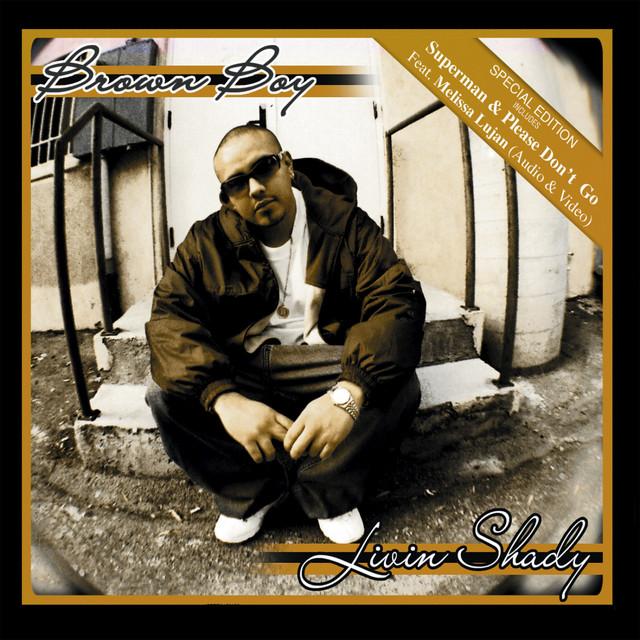
Brown Boy’s Spotify BioEven though Latin rap music did not garner much national attention up until the 2000s (with some exceptions like Cypress Hill and Big Punisher), America's Southwest always has seen a number of Latino/a rappers, like California's Brown Boy, compete for radio airplay with widely known artists. Brown Boy's "Superman" slow jam topped many radio outlets' favorite playlists and appeared on Billboard's Top Rhythmic 40 in 2006. Hailing from Blythe, CA, Brown Boy earned his name from his baby-faced look and Chicano pride. Although his greatest influence was alternative hip-hop group Lighter Shade of Brown, Brown Boy's first two albums, Change the Game and Represent the Brown, were filled with hardcore Chicano raps. However, the positive responses received from the radio-friendly single "Next 2 U" of the latter album convinced him to be more of himself in his music. In August 2005, he released the Livin' Shady album, which contained "Superman," on Aries Music, distributed via EMI Latin. Still… prospering from the exposure of Livin' Shady, he released Chicano Rap Riderz in July 2006. ~ Cyril Cordor, Rovi
Viberate is a music analytics platform built for A&Rs, artist managers, labels, booking agents, marketers, and artists.
It helps music professionals track artist growth, analyze audience data, monitor playlist activity, compare artists, follow song performance, and identify opportunities across the music market.
Public artist pages provide a free preview of selected artist data. Paid plans provide access to deeper analytics, historical data, charts, comparisons, playlist tools, exports, alerts, reports, and additional professional features.
Yes. Public Viberate artist pages provide selected artist analytics and music data for free.
Viberate also offers a 7-day free trial of the full platform. A credit card is required to start the trial. The trial includes access to the complete product so users can test deeper artist analytics, historical views, playlist insights, comparisons, charts, exports, alerts, and reporting features before choosing a paid plan.
Viberate provides artist analytics across streaming, playlists, social media, video, radio airplay, songs, and audience markets.
Users can analyze Spotify performance, Spotify and Apple Music playlists, YouTube activity, TikTok and Instagram growth, radio spins, song performance, audience locations, demographics, rankings, and overall artist momentum.
Artist profiles also connect to music charts, similar artists, and comparison tools, helping users benchmark performance and evaluate artists in context.
Viberate updates key artist and track data daily.
For followed artists and tracks, selected data is refreshed multiple times per day. This helps teams monitor playlist changes, streaming movement, audience growth, releases, and campaign performance with more current data.
Update frequency can vary depending on the metric and data source.
Yes. Viberate lets users compare up to five artists side by side across streaming, social media, audience, and engagement metrics.
Users can compare fanbase growth, audience demographics, locations, Spotify performance, social metrics, and other artist data over selected time periods.
Artist comparison can be used for A&R scouting, benchmarking, booking decisions, campaign planning, and evaluating artists with similar audiences or market positions.