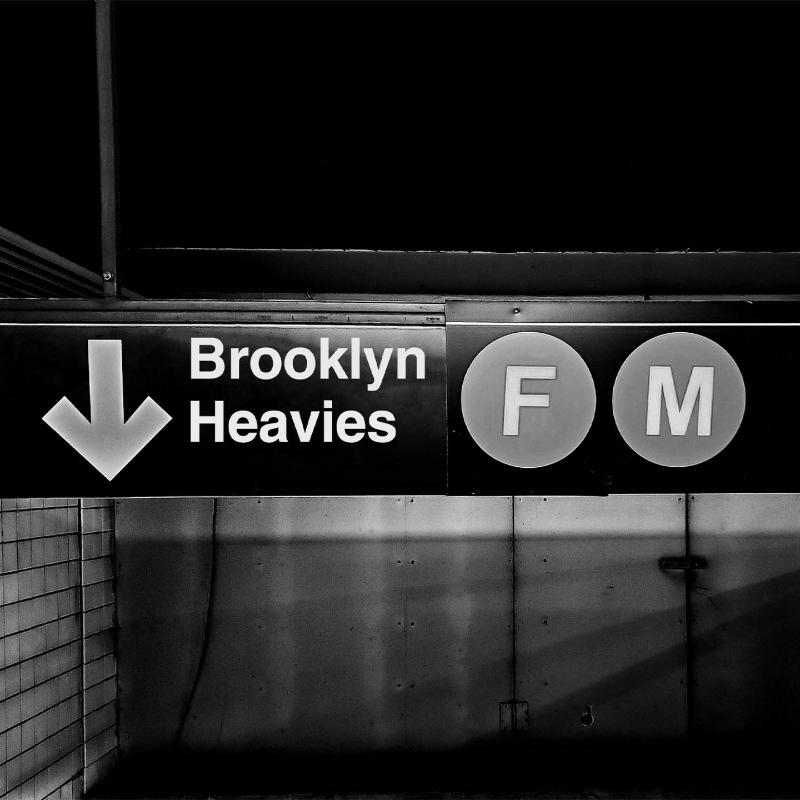
Brooklyn Heavies

Electronic
Dance
Nu Jazz
 Viberate Rank: 620350
 Viberate Rank: 620350
 Monthly ListenersFollowers
 Subscribers
 Followers
 Followers
 FansTop Spotify Songs
| Track | 7-Day Streams | |
|---|---|---|
1 | 531 | |
2 | 530 | |
3 | 219 | |
4 | 219 |
Top YouTube VideosMonthly ListenersFeatured in Playlists| Playlist | Followers | |
|---|---|---|
1 |  Relax Lofi 😴 Steezyasfuck | 54.47K |
2 |  Slowed and Reverbed TikTok Songs (The Good Ones) Saoirse Zografou | 37.48K |
3 |  ADHD Lofi Study Beats Underhill Records | 28.43K |
4 |  Chillstep / Melodic dubstep / Liquid dnb Tobias Schneider | 23.50K |
5 |  lofi dinner freshgoodies | 23.23K |
Audience| City | Monthly Listeners | |
|---|---|---|
1 |  | 49 |
2 |  | 47 |
3 | | 43 |
4 |  | 37 |
5 |  | 32 |
See full performance history, audience data, playlist activity, rankings, comparisons, and more in Viberate music analytics. Start with a free trial, then continue with a paid plan.
Brooklyn Heavies’ Spotify BioNew York-based collaborators, Mher Filian (Producer, aka Fillianaire) and Michael Ruocco (DJ, aka Mikey Smiles) describe themselves as “two old-school industry cats making background beats for the chillout scene.” Their music is not designed to grab your attention the way pop music does. “We make 'feel good beats' intended to make sure your head is bopping while you’re sipping cocktails, lounging with friends or hanging out in a coffee shop”, Filian says.
Think back to the days of Buddha Bar, a bar and restaurant chain internationally recognized in part because of their eclectic musical backdrop. “They made background music hip” says Smiles. “And nowadays people are hanging out in cafes, coffee shops and lounges and we intend to make the soundtrack to accompany these scenes”.
“So we thought it would be cool to make some groovy, jazz-infused chillhop beats used as background beats. ” says Filianaire, who has co-written/produced hits for major artists such as Selena Gomez (“Kiss and Tell,”… “A Year Without Rain”) and Demi Lovato (“Here We Go Again”), and had his song “Show Me Some Mercy” performed on America’s Got Talent in 2018 by Noah Guthrie.
Viberate is a music analytics platform built for A&Rs, artist managers, labels, booking agents, marketers, and artists.
It helps music professionals track artist growth, analyze audience data, monitor playlist activity, compare artists, follow song performance, and identify opportunities across the music market.
Public artist pages provide a free preview of selected artist data. Paid plans provide access to deeper analytics, historical data, charts, comparisons, playlist tools, exports, alerts, reports, and additional professional features.
Yes. Public Viberate artist pages provide selected artist analytics and music data for free.
Viberate also offers a 7-day free trial of the full platform. A credit card is required to start the trial. The trial includes access to the complete product so users can test deeper artist analytics, historical views, playlist insights, comparisons, charts, exports, alerts, and reporting features before choosing a paid plan.
Viberate provides artist analytics across streaming, playlists, social media, video, radio airplay, songs, and audience markets.
Users can analyze Spotify performance, Spotify and Apple Music playlists, YouTube activity, TikTok and Instagram growth, radio spins, song performance, audience locations, demographics, rankings, and overall artist momentum.
Artist profiles also connect to music charts, similar artists, and comparison tools, helping users benchmark performance and evaluate artists in context.
Viberate updates key artist and track data daily.
For followed artists and tracks, selected data is refreshed multiple times per day. This helps teams monitor playlist changes, streaming movement, audience growth, releases, and campaign performance with more current data.
Update frequency can vary depending on the metric and data source.
Yes. Viberate lets users compare up to five artists side by side across streaming, social media, audience, and engagement metrics.
Users can compare fanbase growth, audience demographics, locations, Spotify performance, social metrics, and other artist data over selected time periods.
Artist comparison can be used for A&R scouting, benchmarking, booking decisions, campaign planning, and evaluating artists with similar audiences or market positions.