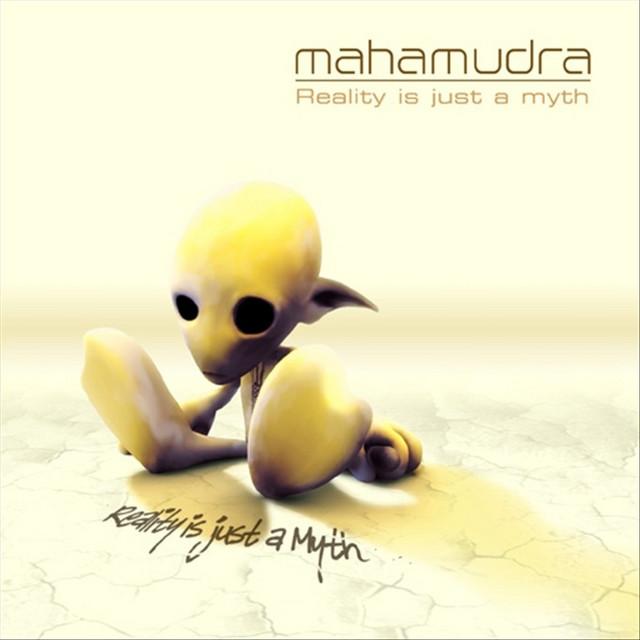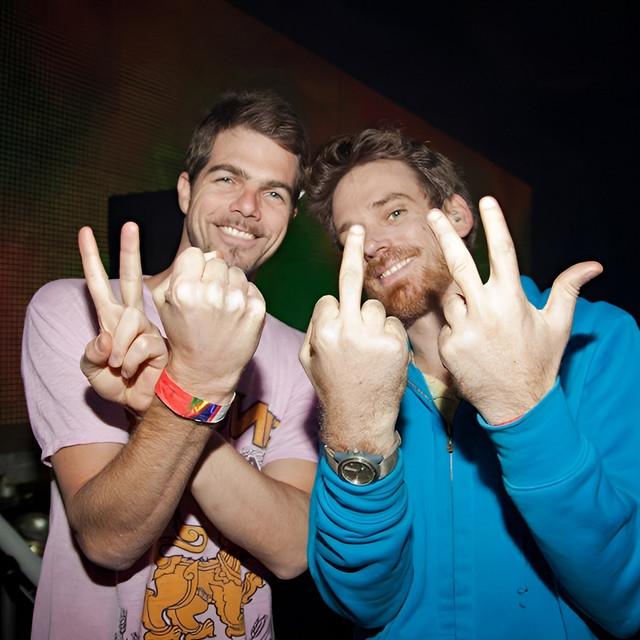
Broken Toy

Electronic
Trance
Psy Trance
 Viberate Rank: 286365
 Viberate Rank: 286365
 Monthly ListenersFollowers
 Subscribers
 Followers
 Followers
 FansTop Spotify Songs
| Track | 7-Day Streams | |
|---|---|---|
1 | 59 | |
2 | 40 | |
3 | 36 | |
4 | 31 | |
5 | 25 |
Top YouTube VideosMonthly ListenersFeatured in Playlists| Playlist | Followers | |
|---|---|---|
1 |  Nothing but Psytrance @angelosvida | 7.55K |
2 |  Nano Records uddel | 4.04K |
3 |  Goa Psychedelic Trance Psytrance VossiArt | 3.85K |
4 | Full on Morning Leandro Fardin | 3.52K |
5 |  🕉️ Morning | Psy | Progressive Trance Alex Hajdu | 2.69K |
Audience| City | Monthly Listeners | |
|---|---|---|
1 | | 61 |
2 |  | 34 |
3 |  | 25 |
4 |  | 22 |
5 | | 22 |
See full performance history, audience data, playlist activity, rankings, comparisons, and more in Viberate music analytics. Start with a free trial, then continue with a paid plan.
Broken Toy’s Spotify BioBroken Toy is the psytrance project of James Copeland from Cape Town, South Africa.
His unique approach to full-on production, with a distorted and quirky touch, has earned him a position as one of the most "low, down, and dirty" dancefloor manipulators in the scene today. Combining an avant-garde attitude with old-school vibes, you can expect a powerful yet groovy dancefloor experience that blends elements of funk, indie-electro, and psychedelic rock.
Beginning his career in 2001 as a member of the duo "Damage", James was one of the pioneers of the South African psytrance scene, alongside artists such as Protoculture and Rinkadink. Soon after, he launched the solo project Broken Toy, and since then, he has released over 70 tracks on several major psytrance labels, two full-length albums, and toured over twenty countries, playing major festivals such as BOOM Festival (Portugal), Glade Festival (UK), Full Moon (Germany), SOnica (Italy), and Universo Parallelo (Brazil), to name a few.
With… so many creative possibilities and a stripped-down, refined vision, Broken Toy has definitely left its mark and made a significant contribution to the evolution of the psychedelic trance scene.
Viberate is a music analytics platform built for A&Rs, artist managers, labels, booking agents, marketers, and artists.
It helps music professionals track artist growth, analyze audience data, monitor playlist activity, compare artists, follow song performance, and identify opportunities across the music market.
Public artist pages provide a free preview of selected artist data. Paid plans provide access to deeper analytics, historical data, charts, comparisons, playlist tools, exports, alerts, reports, and additional professional features.
Yes. Public Viberate artist pages provide selected artist analytics and music data for free.
Viberate also offers a 7-day free trial of the full platform. A credit card is required to start the trial. The trial includes access to the complete product so users can test deeper artist analytics, historical views, playlist insights, comparisons, charts, exports, alerts, and reporting features before choosing a paid plan.
Viberate provides artist analytics across streaming, playlists, social media, video, radio airplay, songs, and audience markets.
Users can analyze Spotify performance, Spotify and Apple Music playlists, YouTube activity, TikTok and Instagram growth, radio spins, song performance, audience locations, demographics, rankings, and overall artist momentum.
Artist profiles also connect to music charts, similar artists, and comparison tools, helping users benchmark performance and evaluate artists in context.
Viberate updates key artist and track data daily.
For followed artists and tracks, selected data is refreshed multiple times per day. This helps teams monitor playlist changes, streaming movement, audience growth, releases, and campaign performance with more current data.
Update frequency can vary depending on the metric and data source.
Yes. Viberate lets users compare up to five artists side by side across streaming, social media, audience, and engagement metrics.
Users can compare fanbase growth, audience demographics, locations, Spotify performance, social metrics, and other artist data over selected time periods.
Artist comparison can be used for A&R scouting, benchmarking, booking decisions, campaign planning, and evaluating artists with similar audiences or market positions.