Broken Records

Rock
Folk Rock
Indie Rock
 Viberate Rank: 276999
 Viberate Rank: 276999
 Monthly ListenersFollowers
 Subscribers
 Followers
 Followers
 FansTop Spotify Songs
| Track | 7-Day Streams | |
|---|---|---|
1 | 336 | |
2 | 139 | |
3 | 98 | |
4 | 90 | |
5 | 76 |
Top YouTube VideosMonthly ListenersFeatured in Playlists| Playlist | Followers | |
|---|---|---|
1 |  SKINS SOUNDTRACK season 1, 2, 3, 4, 5, 6 and 7 (all seasons) Christel Aurora Hilmo | 65.42K |
2 | Skins UK 1-7 Raven Linnette | 13.46K |
3 | Sleepy Folk & Indie Drago_Mateo | 7.69K |
4 |  Friday Nights PlayStation®️ | 6.55K |
5 | 180 BPM Running 600 songs (Trance free) Øyvind Buer | 6.25K |
Audience| City | Monthly Listeners | |
|---|---|---|
1 | | 95 |
2 | | 64 |
3 | | 49 |
4 |  | 32 |
5 |  | 28 |
See full performance history, audience data, playlist activity, rankings, comparisons, and more in Viberate music analytics. Start with a free trial, then continue with a paid plan.
Broken Records’ Spotify BioSince forming in Edinburgh, Scotland in 2006 Broken Records have established themselves as one of Britain’s best live bands. They've toured the UK, Europe, and US extensively, supporting the likes of The National, and playing all major UK and international music festivals, including the main stages of Latitude and Green Man, Glastonbury, and Reading & Leeds.
They’ve released four albums to date: Until The Earth Begins To Part (2009) and Let Me Come Home (2020) via the legendary 4AD label, and Weights & Pulleys (2014) and What We Might Know (2018) via their own label J Sharp Records Ltd.
Their fifth album The Dreamless Sleep Of The 1990s was recorded with Tony Doogan (Mogwai, Belle & Sebastian) and is due for release in October 2023.
They've received critical acclaim from the UK’s top music press – The Guardian, Uncut, Mojo, NME, The Scotsman, Clash etc – and recorded radio sessions for BBC6 Music's Mark Riley and Shaun Keaveny, Radio Scotland's Vic Galloway show and The Quay Sessions, and… a Maida Vale session for Zane Lowe.
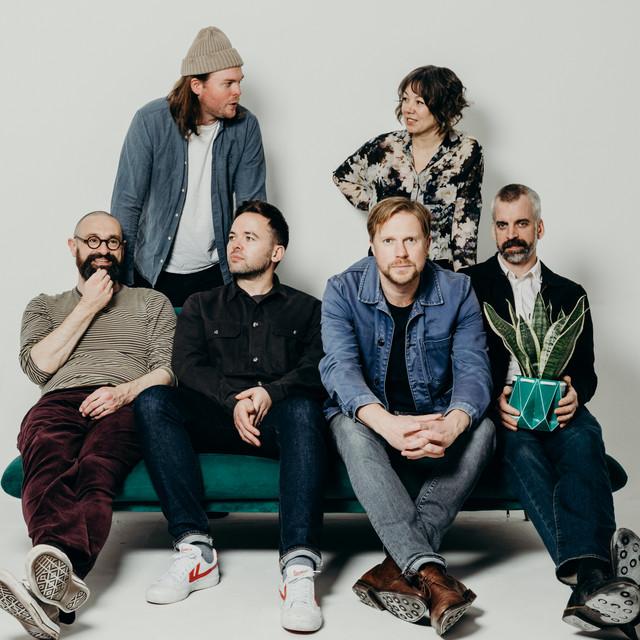
Broken Records are Jamie Sutherland (Guitar, Vocals), Rory Sutherland (Organ, Piano, Synths, Loops, Violin), Ian Turnbull (Guitar, Organ, Piano), Craig Ross (Guitar), Andrew Keeney (Drums, Percussion) and
Clarissa Cheong (Bass Guitar).
Viberate is a music analytics platform built for A&Rs, artist managers, labels, booking agents, marketers, and artists.
It helps music professionals track artist growth, analyze audience data, monitor playlist activity, compare artists, follow song performance, and identify opportunities across the music market.
Public artist pages provide a free preview of selected artist data. Paid plans provide access to deeper analytics, historical data, charts, comparisons, playlist tools, exports, alerts, reports, and additional professional features.
Yes. Public Viberate artist pages provide selected artist analytics and music data for free.
Viberate also offers a 7-day free trial of the full platform. A credit card is required to start the trial. The trial includes access to the complete product so users can test deeper artist analytics, historical views, playlist insights, comparisons, charts, exports, alerts, and reporting features before choosing a paid plan.
Viberate provides artist analytics across streaming, playlists, social media, video, radio airplay, songs, and audience markets.
Users can analyze Spotify performance, Spotify and Apple Music playlists, YouTube activity, TikTok and Instagram growth, radio spins, song performance, audience locations, demographics, rankings, and overall artist momentum.
Artist profiles also connect to music charts, similar artists, and comparison tools, helping users benchmark performance and evaluate artists in context.
Viberate updates key artist and track data daily.
For followed artists and tracks, selected data is refreshed multiple times per day. This helps teams monitor playlist changes, streaming movement, audience growth, releases, and campaign performance with more current data.
Update frequency can vary depending on the metric and data source.
Yes. Viberate lets users compare up to five artists side by side across streaming, social media, audience, and engagement metrics.
Users can compare fanbase growth, audience demographics, locations, Spotify performance, social metrics, and other artist data over selected time periods.
Artist comparison can be used for A&R scouting, benchmarking, booking decisions, campaign planning, and evaluating artists with similar audiences or market positions.