Broken Record

Rock
Indie Rock
Punk Rock
 Viberate Rank: 476378
 Viberate Rank: 476378
 Monthly ListenersFollowers
 Subscribers
 Followers
 Followers
 FansTop Spotify Songs
| Track | 7-Day Streams | |
|---|---|---|
1 | 54 | |
2 | 15 | |
3 | 9 | |
4 | 7 | |
5 | 7 |
Top YouTube VideosMonthly ListenersFeatured in Playlists| Playlist | Followers | |
|---|---|---|
1 |  Deathwish Staff Picks Deathwish Inc. | 4.74K |
Audience| City | Monthly Listeners | |
|---|---|---|
1 | | 18 |
2 | | 8 |
3 | | 5 |
4 | | 5 |
5 | | 4 |
See full performance history, audience data, playlist activity, rankings, comparisons, and more in Viberate music analytics. Start with a free trial, then continue with a paid plan.
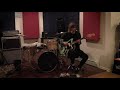
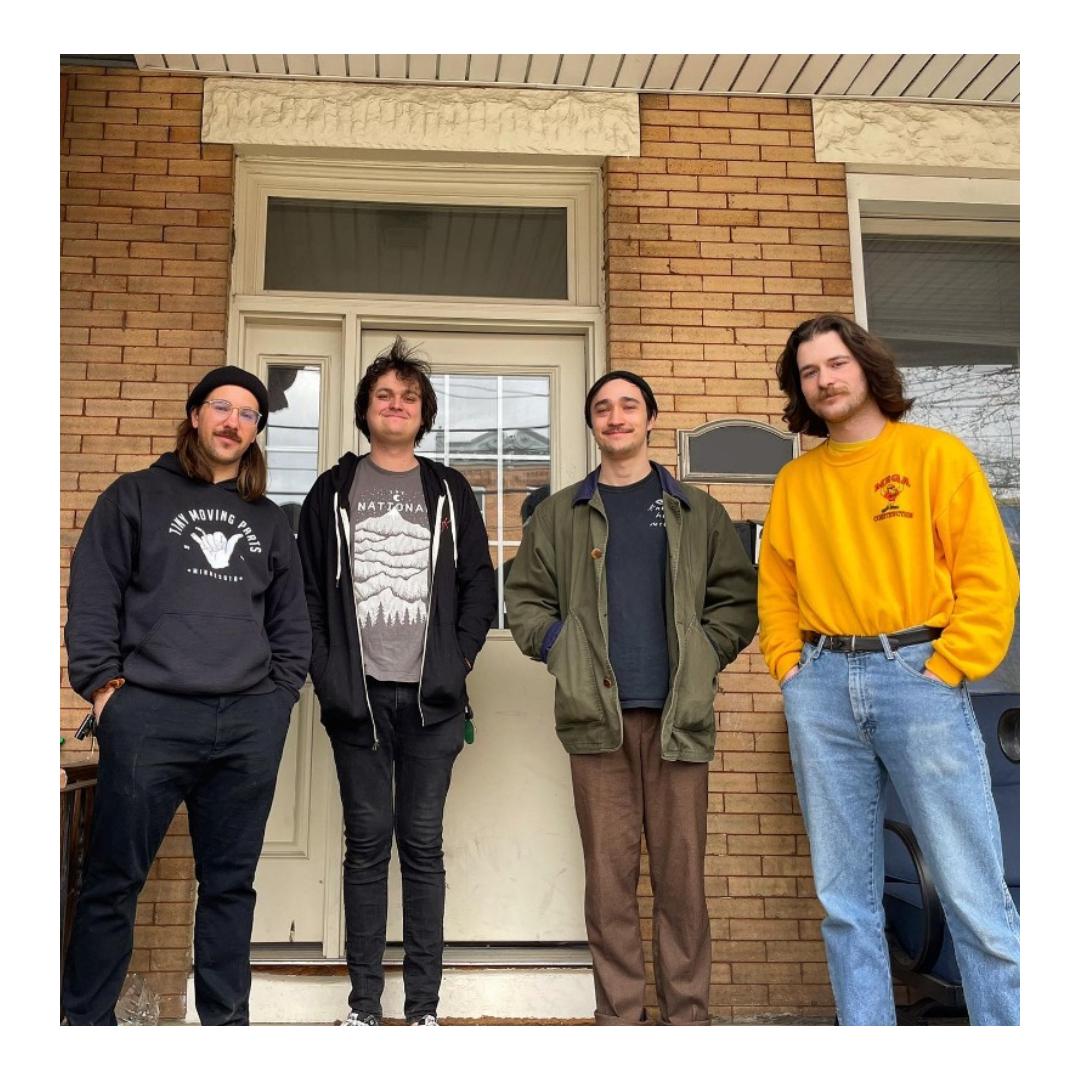
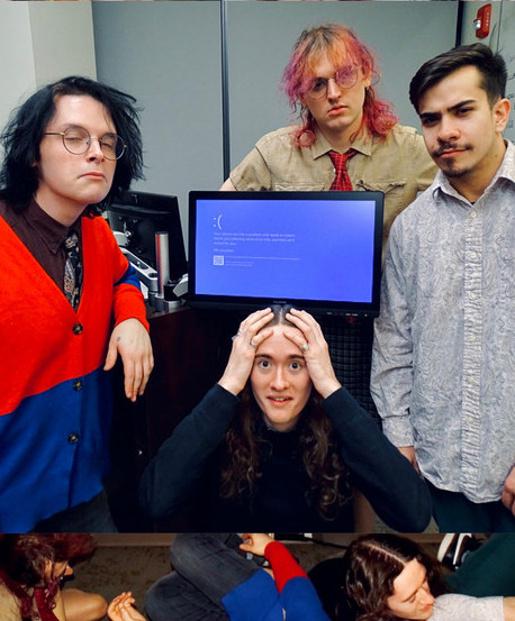
Broken Record’s Spotify BioOver the past several years, Broken Record has gone from DIY basement emo project to a full-fledged indie rock band. After touring the west coast and writing a new album, recording presented an interesting dilemma: do we continue our do-it-yourself approach or should we try something new?
For this newest album, their third LP, the band enlisted the help of Justin Pizzoferrato (Dinosaur Jr., Wild Pink, Dazy) to produce and engineer. Pizzoferrato’s new perspective and excitement around the music helped Broken Record make something that still captures the band’s penchant for writing fuzzed-out emo but turns it into something more dynamic.
Lead single “T-60” is a perfect example, taking its undeniable chorus melody and lifting it to new heights before an unholy amount of feedback screeches in on the guitar solo. Throughout the record, the band taps into influences like The Cure and Title Fight while adding in the intensity of early Sonic Youth and Sunny Day Real Estate.
Routine itself is… about that urge for something new, something better, and recognizing that the status quo has to change. Whether it’s someone else capitalizing on your work (“Do It Yourself”), the impossibility of retirement (“No Vacation”), or recognizing your own faults (“Nervous Energy”), the ideal world is right there if small steps are made. On Routine, Broken Record are willing to take those small steps but they’re also remembering that you can still be “DIY” even if you can’t do it all yourself.
Viberate is a music analytics platform built for A&Rs, artist managers, labels, booking agents, marketers, and artists.
It helps music professionals track artist growth, analyze audience data, monitor playlist activity, compare artists, follow song performance, and identify opportunities across the music market.
Public artist pages provide a free preview of selected artist data. Paid plans provide access to deeper analytics, historical data, charts, comparisons, playlist tools, exports, alerts, reports, and additional professional features.
Yes. Public Viberate artist pages provide selected artist analytics and music data for free.
Viberate also offers a 7-day free trial of the full platform. A credit card is required to start the trial. The trial includes access to the complete product so users can test deeper artist analytics, historical views, playlist insights, comparisons, charts, exports, alerts, and reporting features before choosing a paid plan.
Viberate provides artist analytics across streaming, playlists, social media, video, radio airplay, songs, and audience markets.
Users can analyze Spotify performance, Spotify and Apple Music playlists, YouTube activity, TikTok and Instagram growth, radio spins, song performance, audience locations, demographics, rankings, and overall artist momentum.
Artist profiles also connect to music charts, similar artists, and comparison tools, helping users benchmark performance and evaluate artists in context.
Viberate updates key artist and track data daily.
For followed artists and tracks, selected data is refreshed multiple times per day. This helps teams monitor playlist changes, streaming movement, audience growth, releases, and campaign performance with more current data.
Update frequency can vary depending on the metric and data source.
Yes. Viberate lets users compare up to five artists side by side across streaming, social media, audience, and engagement metrics.
Users can compare fanbase growth, audience demographics, locations, Spotify performance, social metrics, and other artist data over selected time periods.
Artist comparison can be used for A&R scouting, benchmarking, booking decisions, campaign planning, and evaluating artists with similar audiences or market positions.