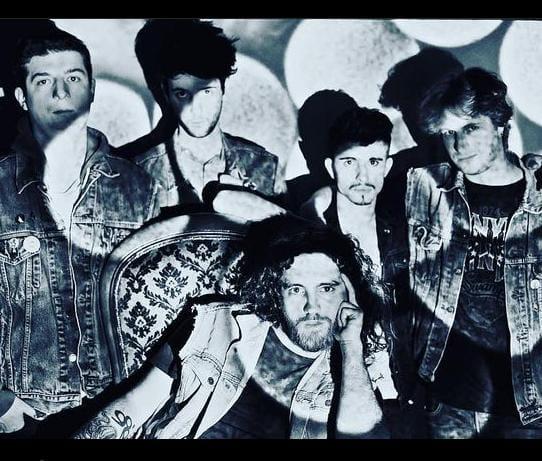
Broken Dollars

Rock
Indie Rock
 Viberate Rank: 786868
 Viberate Rank: 786868
 Monthly ListenersFollowers
 Subscribers
 Followers
 Followers
 FansTop Spotify Songs
| Track | 7-Day Streams | |
|---|---|---|
1 | 2 | |
2 | 1 | |
3 | 1 | |
4 | 1 |
Top YouTube VideosMonthly ListenersFeatured in PlaylistsAudience| City | Monthly Listeners | |
|---|---|---|
1 | | 3 |
See full performance history, audience data, playlist activity, rankings, comparisons, and more in Viberate music analytics. Start with a free trial, then continue with a paid plan.
Broken Dollars’ Spotify BioBroken Dollars burst onto the London music scene in 2017, swiftly making a name for themselves and infiltrating the UK motorcycle culture. They collaborated with various biker brands, showcasing their music at moto events and leaving an indelible mark. Alongside their musical pursuits, they supported charitable causes like Make-A-Wish and addiction recovery programs, using their music to make a positive impact.
After releasing three singles, Broken Dollars unveiled their full-length album, "Hope & Fate," in September 2019. The album featured remastered singles as well as fresh material, showcasing their growth as artists.
However, the global pandemic in 2020 brought unforeseen challenges for musicians, and Broken Dollars were not exempt. They released "Black Skulls" at the beginning of the year, but due to industry-wide shutdowns, their ambitious plans had to be put on hold.
As a result of the prolonged hiatus, Luke and Simon, the creative forces behind Broken Dollars, decided to part… ways in July 2021 and pursue separate musical endeavours. Before bidding farewell, they left their devoted followers with a parting gift—a final track titled "Strangers (Let Rock N' Roll Save Your Soul)" released on August 13th.
Though their journey may have come to an end, the impact of Broken Dollars on the London music scene and the motorcycle culture will be remembered. Their collaborations, music releases, and charitable efforts left an unforgettable mark on those who followed.
Viberate is a music analytics platform built for A&Rs, artist managers, labels, booking agents, marketers, and artists.
It helps music professionals track artist growth, analyze audience data, monitor playlist activity, compare artists, follow song performance, and identify opportunities across the music market.
Public artist pages provide a free preview of selected artist data. Paid plans provide access to deeper analytics, historical data, charts, comparisons, playlist tools, exports, alerts, reports, and additional professional features.
Yes. Public Viberate artist pages provide selected artist analytics and music data for free.
Viberate also offers a 7-day free trial of the full platform. A credit card is required to start the trial. The trial includes access to the complete product so users can test deeper artist analytics, historical views, playlist insights, comparisons, charts, exports, alerts, and reporting features before choosing a paid plan.
Viberate provides artist analytics across streaming, playlists, social media, video, radio airplay, songs, and audience markets.
Users can analyze Spotify performance, Spotify and Apple Music playlists, YouTube activity, TikTok and Instagram growth, radio spins, song performance, audience locations, demographics, rankings, and overall artist momentum.
Artist profiles also connect to music charts, similar artists, and comparison tools, helping users benchmark performance and evaluate artists in context.
Viberate updates key artist and track data daily.
For followed artists and tracks, selected data is refreshed multiple times per day. This helps teams monitor playlist changes, streaming movement, audience growth, releases, and campaign performance with more current data.
Update frequency can vary depending on the metric and data source.
Yes. Viberate lets users compare up to five artists side by side across streaming, social media, audience, and engagement metrics.
Users can compare fanbase growth, audience demographics, locations, Spotify performance, social metrics, and other artist data over selected time periods.
Artist comparison can be used for A&R scouting, benchmarking, booking decisions, campaign planning, and evaluating artists with similar audiences or market positions.