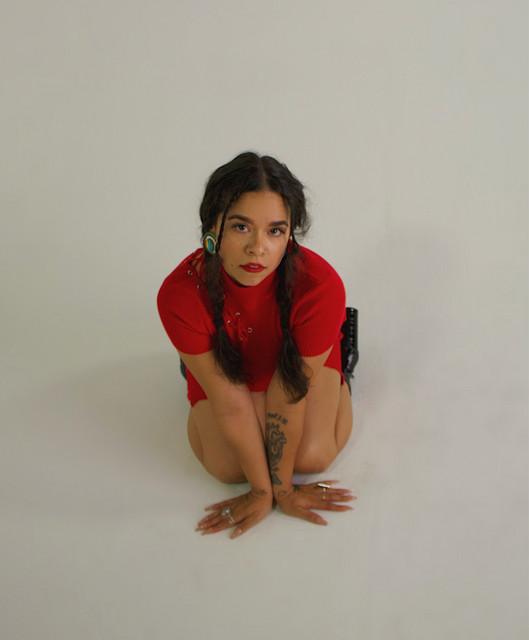
Britton Buchanan

Pop
Mainstream Pop
 Viberate Rank: 215918
 Viberate Rank: 215918
 Monthly ListenersFollowers
 Subscribers
 Followers
 Followers
 FansTop Spotify SongsTop YouTube VideosMonthly ListenersFeatured in Playlists
| Playlist | Followers | |
|---|---|---|
1 |  Best of: The Voice Covers Pau Serrato De la P. | 19.83K |
2 |  The Voice ✌🏻 Fernando Maciel | 9.30K |
3 |  Best Covers Ever Maru Miyashiro | 6.27K |
4 |  Coffee Tunes musicloversworldwide | 5.98K |
5 | the voice bests hypnotised | 4.22K |
Audience| City | Monthly Listeners | |
|---|---|---|
1 |  | 96 |
2 | | 61 |
3 | | 55 |
4 |  | 52 |
5 | | 48 |
See full performance history, audience data, playlist activity, rankings, comparisons, and more in Viberate music analytics. Start with a free trial, then continue with a paid plan.
Britton Buchanan’s Spotify BioGrowing up in the small town of Sanford, NC, Britton worked hard to develop his sound and perfect his art. His parents introduced him to 70s and 80s rock and folk music and Britton immediately found the music he loved. He joined a classic rock band at age 13 and rocked out to Bruce Springsteen, all while penning his own music.
Britton says, "I'm a barefoot, peace-loving, rock-singing hippy at heart. I want to keep this old school sound that makes me feel so good and bring it with me into the new school."
It’s Britton’s songwriting talent that gave him the opportunity to record with renowned engineer John Davenport, whose credits include Robert Palmer’s “Riptide” and Springsteen’s “Born in the U.S.A” album.
It was his jaw-dropping performances on NBC’s “The Voice” that helped Britton gain his fanbase and put the artist in the spotlight. He worked with superstar Alicia Keys and shocked the nation with his amazing covers of songs like Calum Scott’s “Dancing on my Own” and “What’s Love Got to… Do With It” by Tina Turner. He finished the show as the season 14 runner-up.Britton loves to perform and wants his music to bring people together. Britton loves to perform and wants his music to bring people together.
He’s now riding his wave and releasing new music all throughout 2020.
"It's been a long time coming and I'm so proud to finally bring it to you guys," Britton said.
Viberate is a music analytics platform built for A&Rs, artist managers, labels, booking agents, marketers, and artists.
It helps music professionals track artist growth, analyze audience data, monitor playlist activity, compare artists, follow song performance, and identify opportunities across the music market.
Public artist pages provide a free preview of selected artist data. Paid plans provide access to deeper analytics, historical data, charts, comparisons, playlist tools, exports, alerts, reports, and additional professional features.
Yes. Public Viberate artist pages provide selected artist analytics and music data for free.
Viberate also offers a 7-day free trial of the full platform. A credit card is required to start the trial. The trial includes access to the complete product so users can test deeper artist analytics, historical views, playlist insights, comparisons, charts, exports, alerts, and reporting features before choosing a paid plan.
Viberate provides artist analytics across streaming, playlists, social media, video, radio airplay, songs, and audience markets.
Users can analyze Spotify performance, Spotify and Apple Music playlists, YouTube activity, TikTok and Instagram growth, radio spins, song performance, audience locations, demographics, rankings, and overall artist momentum.
Artist profiles also connect to music charts, similar artists, and comparison tools, helping users benchmark performance and evaluate artists in context.
Viberate updates key artist and track data daily.
For followed artists and tracks, selected data is refreshed multiple times per day. This helps teams monitor playlist changes, streaming movement, audience growth, releases, and campaign performance with more current data.
Update frequency can vary depending on the metric and data source.
Yes. Viberate lets users compare up to five artists side by side across streaming, social media, audience, and engagement metrics.
Users can compare fanbase growth, audience demographics, locations, Spotify performance, social metrics, and other artist data over selected time periods.
Artist comparison can be used for A&R scouting, benchmarking, booking decisions, campaign planning, and evaluating artists with similar audiences or market positions.