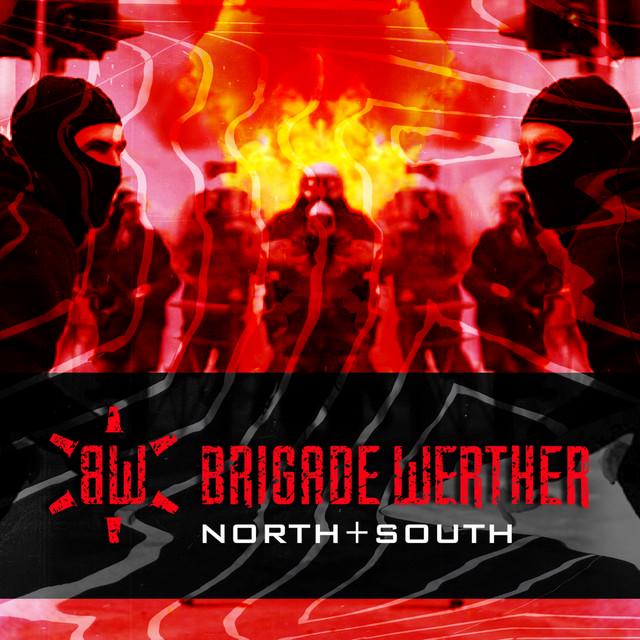
Brigade Werther

Electronic
Hardstyle/Hardcore
Other Electronic Music
 Viberate Rank: 519232
 Viberate Rank: 519232
 Monthly ListenersFollowers
 Subscribers
 Followers
 Followers
 FansTop Spotify Songs
| Track | 7-Day Streams | |
|---|---|---|
1 | 50 | |
2 | 19 | |
3 | 17 | |
4 | 10 | |
5 | 8 |
Top YouTube VideosMonthly ListenersFeatured in Playlists| Playlist | Followers | |
|---|---|---|
1 |  EBM - Electronic Body Music Roland Korg | 14.53K |
2 |  Techno made in Germany nagelsbaum | 10.44K |
3 |  Gothy Dark Electro Dance Club Sin Fox | 6.20K |
4 | EBM | Electronic Body Music | Electro Punk by DARKLARK darklark | 5.61K |
5 |  EBM - CLASSIC TRACKS! ApopPlaylists4You | 2.55K |
Audience| City | Monthly Listeners | |
|---|---|---|
1 | | 16 |
2 |  | 15 |
3 |  | 12 |
4 |  | 5 |
5 | | 4 |
See full performance history, audience data, playlist activity, rankings, comparisons, and more in Viberate music analytics. Start with a free trial, then continue with a paid plan.
Brigade Werther’s Spotify BioInspired by the Belgian style of “Electronic Hardcore” and “Electronic Body Music” and the British electronic scene, Brigade Werther developed their own version of harsh and cold electronic dance music. A compact set of early demos was presented on tapes and a number of small concerts. Throughout 1989 the band´s first concentrated efforts resulted in a 4-Track-Demo which was recorded in a professional studio and already contained the songs "Screenland Retake", "2 Sonnen brennen" and "Killbeat". After Zoth Ommog-Founder and Techno Club-Impressario Talla 2XL got his hands on one of the circulating demos, he immediately released the material as the EP/CD “to be continued…” on his Label in 1990. “Killbeat” became a massive club-hit and stayed considered as an “EBM-Classic” until today.
In 2011 Brigade Werther was approached by the label Infacted-Recordings to re-release “Killbeat” and enthusiastically agreed. In the process of searching and restoring the existing material the band decided… to get back on stage with the refreshed material and to continue their unfinished musical journey. A first live show was performed in February 2012 and saw the band playing in their original line-up as a three-piece, bringing on the electronic heat again.
Viberate is a music analytics platform built for A&Rs, artist managers, labels, booking agents, marketers, and artists.
It helps music professionals track artist growth, analyze audience data, monitor playlist activity, compare artists, follow song performance, and identify opportunities across the music market.
Public artist pages provide a free preview of selected artist data. Paid plans provide access to deeper analytics, historical data, charts, comparisons, playlist tools, exports, alerts, reports, and additional professional features.
Yes. Public Viberate artist pages provide selected artist analytics and music data for free.
Viberate also offers a 7-day free trial of the full platform. A credit card is required to start the trial. The trial includes access to the complete product so users can test deeper artist analytics, historical views, playlist insights, comparisons, charts, exports, alerts, and reporting features before choosing a paid plan.
Viberate provides artist analytics across streaming, playlists, social media, video, radio airplay, songs, and audience markets.
Users can analyze Spotify performance, Spotify and Apple Music playlists, YouTube activity, TikTok and Instagram growth, radio spins, song performance, audience locations, demographics, rankings, and overall artist momentum.
Artist profiles also connect to music charts, similar artists, and comparison tools, helping users benchmark performance and evaluate artists in context.
Viberate updates key artist and track data daily.
For followed artists and tracks, selected data is refreshed multiple times per day. This helps teams monitor playlist changes, streaming movement, audience growth, releases, and campaign performance with more current data.
Update frequency can vary depending on the metric and data source.
Yes. Viberate lets users compare up to five artists side by side across streaming, social media, audience, and engagement metrics.
Users can compare fanbase growth, audience demographics, locations, Spotify performance, social metrics, and other artist data over selected time periods.
Artist comparison can be used for A&R scouting, benchmarking, booking decisions, campaign planning, and evaluating artists with similar audiences or market positions.