Brief Encounter

R&B
Soul
 Viberate Rank: 183195
 Viberate Rank: 183195
 Monthly ListenersFollowers
 Subscribers
 Followers
 Followers
 FansTop Spotify Songs
| Track | 7-Day Streams | |
|---|---|---|
1 | 17.78K | |
2 | 3.32K | |
3 | 1.69K | |
4 | 638 | |
5 | 370 |
Top YouTube VideosMonthly ListenersFeatured in Playlists| Playlist | Followers | |
|---|---|---|
1 |  70s R&B/Soul - The Golden Era Raul Gabriel - Music | 159.65K |
2 |  I Love My 70s Funk Spotify | 103.56K |
3 |  Chicano Oldies DCCII.Angel | 81.36K |
4 |  Bonobo presents OUTLIER Radio Bonobo | 63.87K |
5 |  oldies 🎭 darlingbaby❤️🔥 | 58.88K |
Audience| City | Monthly Listeners | |
|---|---|---|
1 | | 4.19K |
2 | | 1.13K |
3 | | 1.04K |
4 | | 1.02K |
5 | | 896 |
See full performance history, audience data, playlist activity, rankings, comparisons, and more in Viberate music analytics. Start with a free trial, then continue with a paid plan.
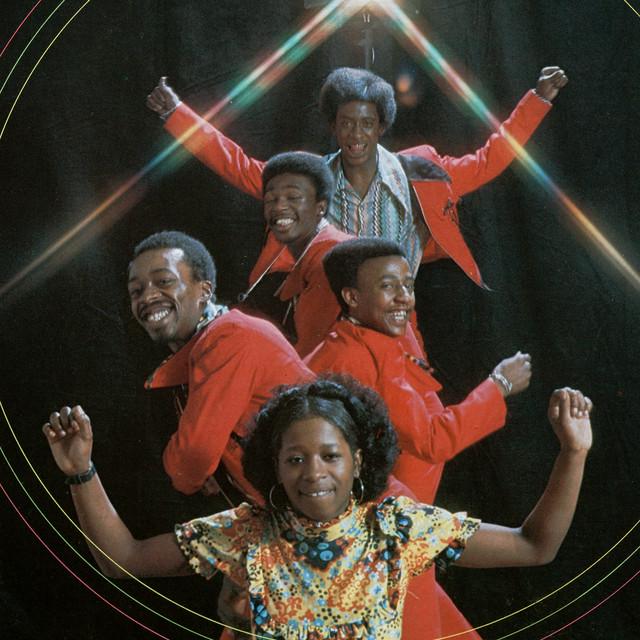
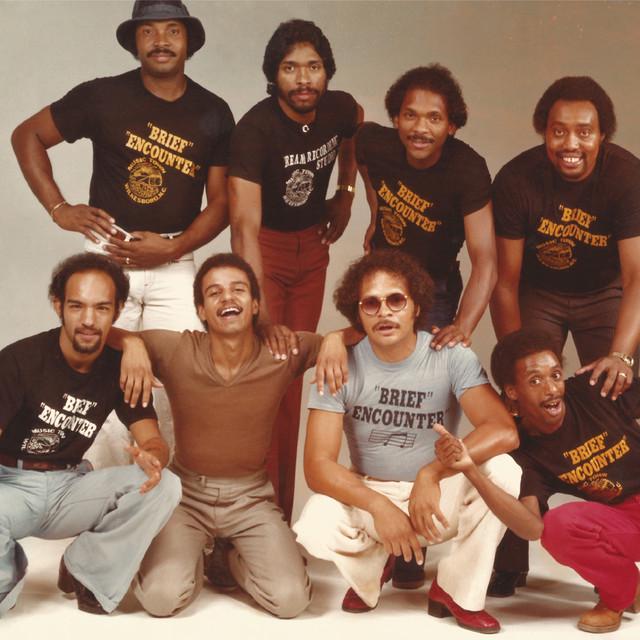
Brief Encounter’s Spotify BioNorth Carolina soul-funk group the Brief Encounter never made it much further than local acclaim, but during their short run in the late '70s and early '80s, they created some powerful, party-starting funk on par with better-known national acts of their era. The band's high-energy dance tracks and misty balladry offered a Southern counterpoint to Parliament's psychedelic soul or Kool and the Gang's pop-geared grooves, and they flirted with disco in the early '80s before disbanding in 1983. Original copies of their 1977 debut LP, Introducing - The Brief Encounter, became a highly sought-after collector's item, and the album was reissued multiple times as more crate diggers found out about the band.
The Brief Encounter was formed in the early '70s in Wilkesboro, North Carolina, and consisted of Maurice Whittington, brothers Gary and Montie Bailey, Velmar Bailey, Charles Graham, Fredrick Alexander, Michael Carter, and Rufus Wilborn. The ensemble released several singles on Nashville DJ… John Richbourg's label Seventy-Seven Records, and in 1977 the label released their debut album, Introducing - The Brief Encounter. The band recorded Introducing at the legendary Muscle Shoals Studios in Alabama, and it presented a great cross-section of the band's range, which swung from revved-up funk to sentimental slow songs. They would eventually issue a few disco-geared tracks with Capitol Records and release the 1981 sophomore set We Want to Play on their own Music Town label before going their separate ways in 1983.
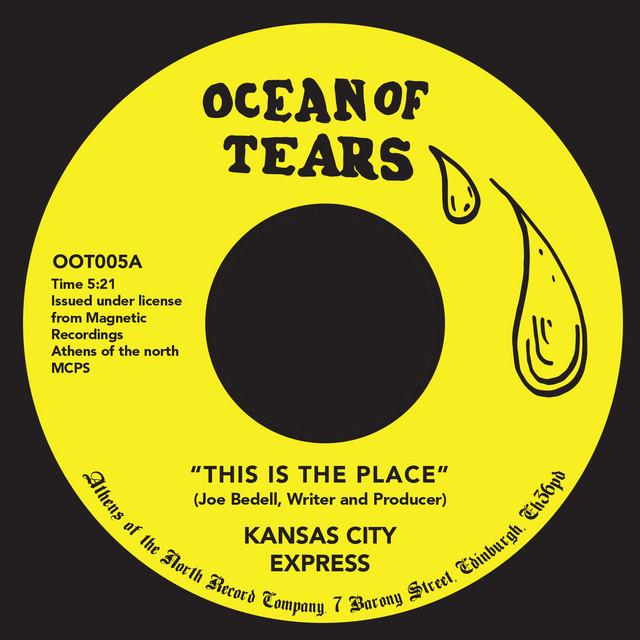
The Brief Encounter's music found new fans as the years went on, with their albums being reissued on multiple labels and their songs being sampled by producers for new rap tracks. In 2010, after copies of their 1977 debut sold in online auctions for upwards of 2,000 dollars, members of the band reunited to re-record two older songs for a new single, "Shake and Move" b/w "I Want You So Much." The songs were pressed as a limited-edition 7" and a round of autographed copies were auctioned off with proceeds benefiting a local North Carolina nonprofit organization as well as relief funds for Haiti. In 2019, Scottish label Athens of the North reissued We Want to Play, and two years later Real Gone Music re-released Introducing on several different variants of colored vinyl. ~ Fred Thomas, Rovi
Viberate is a music analytics platform built for A&Rs, artist managers, labels, booking agents, marketers, and artists.
It helps music professionals track artist growth, analyze audience data, monitor playlist activity, compare artists, follow song performance, and identify opportunities across the music market.
Public artist pages provide a free preview of selected artist data. Paid plans provide access to deeper analytics, historical data, charts, comparisons, playlist tools, exports, alerts, reports, and additional professional features.
Yes. Public Viberate artist pages provide selected artist analytics and music data for free.
Viberate also offers a 7-day free trial of the full platform. A credit card is required to start the trial. The trial includes access to the complete product so users can test deeper artist analytics, historical views, playlist insights, comparisons, charts, exports, alerts, and reporting features before choosing a paid plan.
Viberate provides artist analytics across streaming, playlists, social media, video, radio airplay, songs, and audience markets.
Users can analyze Spotify performance, Spotify and Apple Music playlists, YouTube activity, TikTok and Instagram growth, radio spins, song performance, audience locations, demographics, rankings, and overall artist momentum.
Artist profiles also connect to music charts, similar artists, and comparison tools, helping users benchmark performance and evaluate artists in context.
Viberate updates key artist and track data daily.
For followed artists and tracks, selected data is refreshed multiple times per day. This helps teams monitor playlist changes, streaming movement, audience growth, releases, and campaign performance with more current data.
Update frequency can vary depending on the metric and data source.
Yes. Viberate lets users compare up to five artists side by side across streaming, social media, audience, and engagement metrics.
Users can compare fanbase growth, audience demographics, locations, Spotify performance, social metrics, and other artist data over selected time periods.
Artist comparison can be used for A&R scouting, benchmarking, booking decisions, campaign planning, and evaluating artists with similar audiences or market positions.