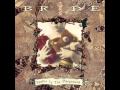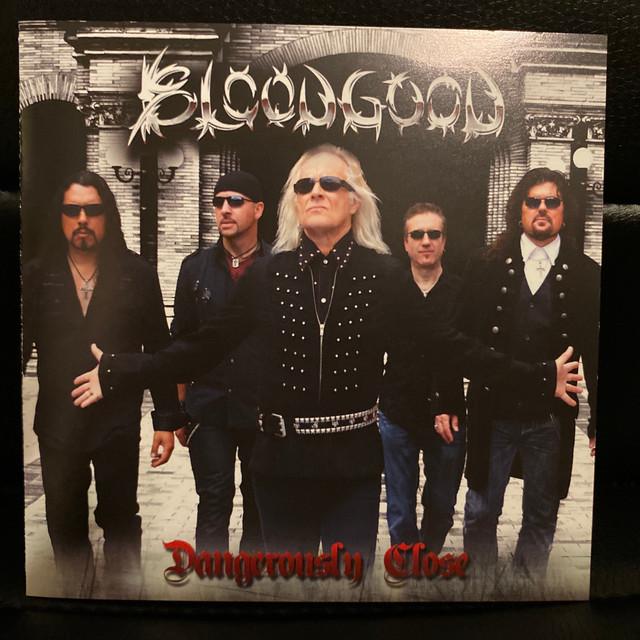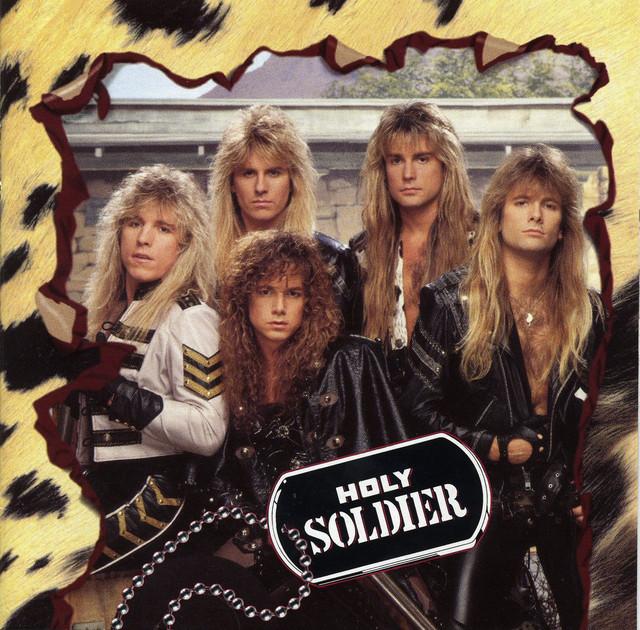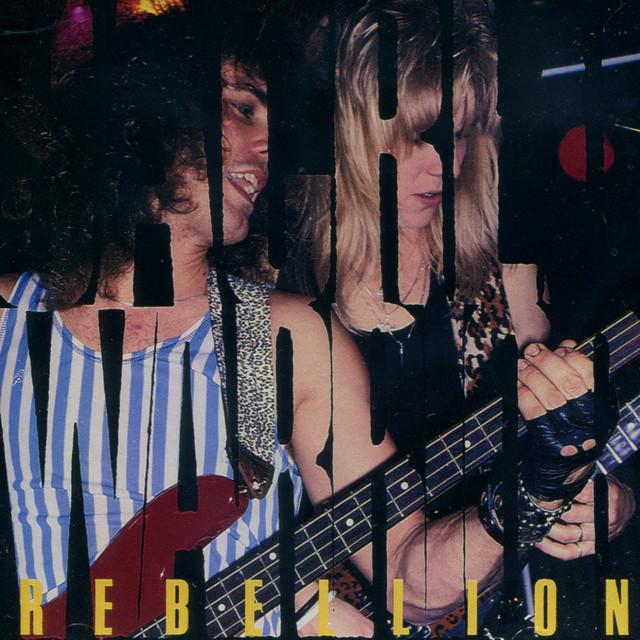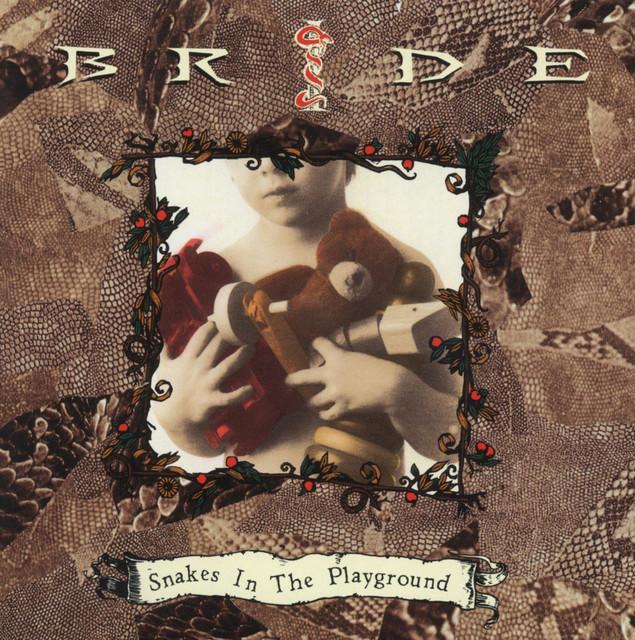
Bride

Rock
Hard Rock
Pop Rock
Heavy Metal
 Viberate Rank: 109015
 Viberate Rank: 109015
 Monthly ListenersFollowers
 Subscribers
 Followers
 Followers
 FansTop Spotify Songs
| Track | 7-Day Streams | |
|---|---|---|
1 | 3.40K | |
2 | 1.94K | |
3 | 1.94K | |
4 | 1.88K | |
5 | 1.54K |
Top YouTube Videos| Video | 7-Day Views | |
|---|---|---|
1 | 465 | |
2 | 268 | |
3 | 217 | |
4 | 121 | |
5 | 119 |
Monthly ListenersFeatured in Playlists| Playlist | Followers | |
|---|---|---|
1 |  Hymns: 3,000 Traditional Hymns by Modern Artists brucekonold | 15.52K |
2 |  Christian Metal! 777 Rasmus Rasmussen | 9.41K |
3 |  Christian Rock Rotation T.O.O.S 'Zine | 7.14K |
4 |  80s Christian Metal/Hard Rock Isaiah Elmasri | 4.53K |
5 | He is my ROCK ✝️ Becca Tapia | 3.87K |
Audience| City | Monthly Listeners | |
|---|---|---|
1 |  | 1.39K |
2 | | 553 |
3 | | 436 |
4 | | 430 |
5 | | 412 |
See full performance history, audience data, playlist activity, rankings, comparisons, and more in Viberate music analytics. Start with a free trial, then continue with a paid plan.
Bride’s Spotify BioUnlike many of their Christian metal colleagues of the '80s (Stryper, Barren Cross, etc.), Louisville, Kentucky's Bride continue to preach their message of faith, uninterrupted by personnel and stylistic about faces, going on two decades now. Originally calling themselves Matrix, brothers Dale (vocals) and Troy Thompson (guitar) began writing songs as early as 1983, but it would take them three years of anonymous labor -- recording demos to sell at concerts and through Contemporary Christian Music magazine -- to attract the attention of Refuge Records. When they did, the label went so far as to create a new imprint -- appropriately called Pure Metal -- specifically for the band, which by this time also featured guitarist Steve Osborne, bassist Scott Hall, and drummer Stephan Rolland. There followed two albums: 1986's Show No Mercy and 1987's Live to Die, whose nasty titles and aggressive, Judas Priest-inspired songs belied the ultra-devout Christian messages evident in their lyrics.… 1989's Silence Is Madness found the band reduced to a four-piece, and 1990s End of the Age proved a rather premature greatest-hits collection, since Bride returned to action the very next year with their fourth studio album, Kinetic Faith. As well as introducing a new rhythm section (consisting of bassist Rick Foley and drummer Jerry McBroom) to back up the Dale and Troy Thompson, this and subsequent LPs Snakes in the Playground (1992) and Scarecrow Messiah (1994) showed a mellower side of the group, which appeared to have adopted the prevalent hair metal trends of the time. Another greatest-hits set -- curiously entitled Shotgun Wedding -- emerged in 1995, and after welcoming new bass player Steve Curtsinger, Bride carried on releasing albums (1995's Drop, 1997's The Jesus Experience, etc.) and touring regularly throughout the decade, culminating in a series of live albums to usher in the new millennium. 2001 found the indefatigable brothers breaking in yet another new rhythm section (bassist Lawrence Bishop and drummer Mike Loy) with the Fistful of Bees album -- the better to commemorate their 20th anniversary in music with 2003's This Is It. ~ Eduardo Rivadavia, Rovi
Viberate is a music analytics platform built for A&Rs, artist managers, labels, booking agents, marketers, and artists.
It helps music professionals track artist growth, analyze audience data, monitor playlist activity, compare artists, follow song performance, and identify opportunities across the music market.
Public artist pages provide a free preview of selected artist data. Paid plans provide access to deeper analytics, historical data, charts, comparisons, playlist tools, exports, alerts, reports, and additional professional features.
Yes. Public Viberate artist pages provide selected artist analytics and music data for free.
Viberate also offers a 7-day free trial of the full platform. A credit card is required to start the trial. The trial includes access to the complete product so users can test deeper artist analytics, historical views, playlist insights, comparisons, charts, exports, alerts, and reporting features before choosing a paid plan.
Viberate provides artist analytics across streaming, playlists, social media, video, radio airplay, songs, and audience markets.
Users can analyze Spotify performance, Spotify and Apple Music playlists, YouTube activity, TikTok and Instagram growth, radio spins, song performance, audience locations, demographics, rankings, and overall artist momentum.
Artist profiles also connect to music charts, similar artists, and comparison tools, helping users benchmark performance and evaluate artists in context.
Viberate updates key artist and track data daily.
For followed artists and tracks, selected data is refreshed multiple times per day. This helps teams monitor playlist changes, streaming movement, audience growth, releases, and campaign performance with more current data.
Update frequency can vary depending on the metric and data source.
Yes. Viberate lets users compare up to five artists side by side across streaming, social media, audience, and engagement metrics.
Users can compare fanbase growth, audience demographics, locations, Spotify performance, social metrics, and other artist data over selected time periods.
Artist comparison can be used for A&R scouting, benchmarking, booking decisions, campaign planning, and evaluating artists with similar audiences or market positions.