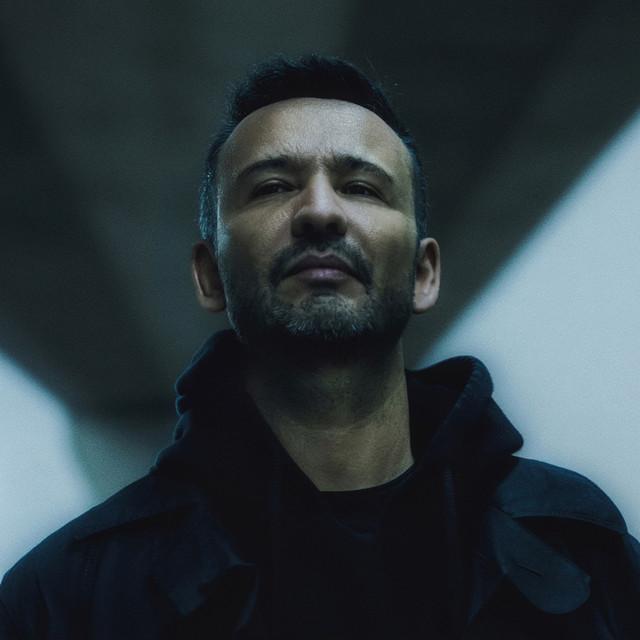
Brian Sanhaji


Electronic
Techno
 Viberate Rank: 185406
 Viberate Rank: 185406
 Monthly ListenersFollowers
 Subscribers
 Followers
 Followers
 FansTop Spotify SongsTop YouTube VideosMonthly ListenersFeatured in Playlists
| Playlist | Followers | |
|---|---|---|
1 |  BERLIN TECHNO Ferdinand von Eltz-Rübenach | 73.33K |
2 | Berghain Music Roman Wäger | 39.72K |
3 |  techno oscuro Nico Viel | 12.64K |
4 | Give Me Some Techno Alexandre Santos | 9.64K |
5 | Full Length DJ Mixes - Continuous Mixes Evan Witten | 8.60K |
Audience| City | Monthly Listeners | |
|---|---|---|
1 | | 134 |
2 |  | 91 |
3 | | 81 |
4 |  | 71 |
5 | | 70 |
See full performance history, audience data, playlist activity, rankings, comparisons, and more in Viberate music analytics. Start with a free trial, then continue with a paid plan.
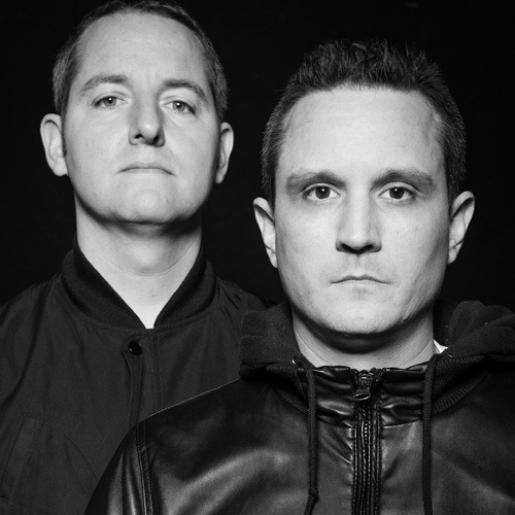
Brian Sanhaji’s Spotify BioBrian Sanhaji has forged Frankfurt’s techno identity for 25+ years: pure, modular, sub-driven. Inspired by the Omen Club, he began looping on an Amiga 500 in the mid-90s and debuted as Relic on Triebtäter (2000/01), winning early support from DJ Rush. He soon launched Enable Recordings, pressing his own tracks alongside The Advent and Andre Walter.
A resident of Chris Liebing’s CLR roster since 2005, Sanhaji’s hardware live sets have rattled U60311, Berghain and Detroit’s Movement Festival. His 2008 album Stereotype distilled minimal, dub-tinged pressure; floor staples such as “Liftoff,” “Higgs,” “Daria” and the Drumcell collab “Split” followed, plus a standout remix of Fixmer/McCarthy’s “The Knife.” His studio now revolves around a dense Eurorack rig, every sequence printed live to capture spontaneous energy and microscopic detail.
He continued refining functional loops through his EgoTon imprint (2010s) and, from 2016, SENSOR MUSIC, cultivating a clinical yet hypnotic aesthetic while… nurturing likeminded producers. The modular live LP Amount of Contour (2020) and 2024 singles “Conflict” and “Paradox” underscore his uncompromising focus.
In 2025 Sanhaji and Monoloc unveiled their joint project FORMS with the debut EP EMPHAZE, opening a new chapter while staying true to his cornerstones: relentless low-end weight, strict minimalism, clockwork swing and impeccable sound design. From soundcheck to encore his sets chase maximum kinetic punch yet never sacrifice clarity.
Viberate is a music analytics platform built for A&Rs, artist managers, labels, booking agents, marketers, and artists.
It helps music professionals track artist growth, analyze audience data, monitor playlist activity, compare artists, follow song performance, and identify opportunities across the music market.
Public artist pages provide a free preview of selected artist data. Paid plans provide access to deeper analytics, historical data, charts, comparisons, playlist tools, exports, alerts, reports, and additional professional features.
Yes. Public Viberate artist pages provide selected artist analytics and music data for free.
Viberate also offers a 7-day free trial of the full platform. A credit card is required to start the trial. The trial includes access to the complete product so users can test deeper artist analytics, historical views, playlist insights, comparisons, charts, exports, alerts, and reporting features before choosing a paid plan.
Viberate provides artist analytics across streaming, playlists, social media, video, radio airplay, songs, and audience markets.
Users can analyze Spotify performance, Spotify and Apple Music playlists, YouTube activity, TikTok and Instagram growth, radio spins, song performance, audience locations, demographics, rankings, and overall artist momentum.
Artist profiles also connect to music charts, similar artists, and comparison tools, helping users benchmark performance and evaluate artists in context.
Viberate updates key artist and track data daily.
For followed artists and tracks, selected data is refreshed multiple times per day. This helps teams monitor playlist changes, streaming movement, audience growth, releases, and campaign performance with more current data.
Update frequency can vary depending on the metric and data source.
Yes. Viberate lets users compare up to five artists side by side across streaming, social media, audience, and engagement metrics.
Users can compare fanbase growth, audience demographics, locations, Spotify performance, social metrics, and other artist data over selected time periods.
Artist comparison can be used for A&R scouting, benchmarking, booking decisions, campaign planning, and evaluating artists with similar audiences or market positions.