Brian Ray

Rock
Indie Rock
Power Pop
 Viberate Rank: 199688
 Viberate Rank: 199688
 Monthly ListenersFollowers
 Subscribers
 Followers
 Followers
 FansTop Spotify Songs
| Track | 7-Day Streams | |
|---|---|---|
1 | 110 | |
2 | 61 | |
3 | 46 | |
4 | 12 | |
5 | 11 |
Top YouTube Videos| Video | 7-Day Views | |
|---|---|---|
1 | 74 | |
2 | 43 | |
3 | 43 | |
4 | 26 | |
5 | 15 |
Monthly ListenersFeatured in Playlists| Playlist | Followers | |
|---|---|---|
1 |  🇦🇷 ARGENTINA MUNDIAL 2026 ⚽ ⭐️⭐️⭐️ 🇦🇷 Leo Ave | 38.63K |
2 | The Morning Spring 2023 Playlist nytimes | 30.66K |
3 |  Little Steven's Underground Garage Little Steven | 2.92K |
4 | BEST OF ORIANTHI nigel | 1.27K |
5 |  AOR/MELODIC & 80s ROCK/METAL till 2025 wMw-Wolf | 958 |
Audience| City | Monthly Listeners | |
|---|---|---|
1 | | 11 |
2 |  | 10 |
3 |  | 10 |
4 |  | 8 |
5 | | 8 |
See full performance history, audience data, playlist activity, rankings, comparisons, and more in Viberate music analytics. Start with a free trial, then continue with a paid plan.
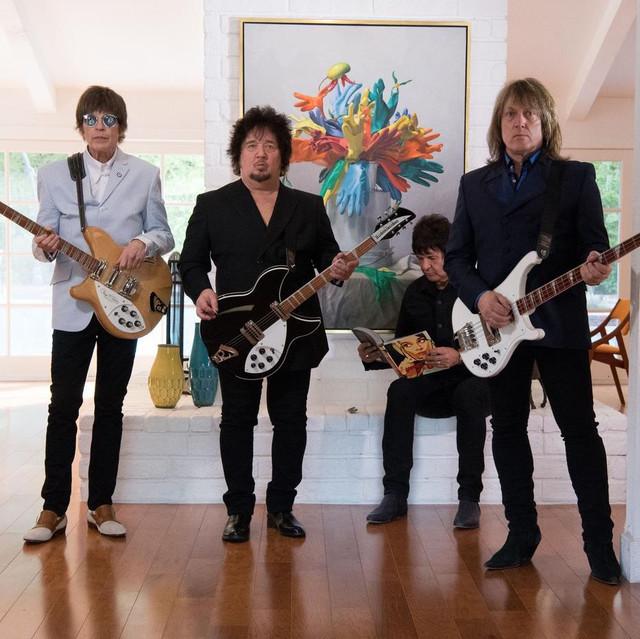
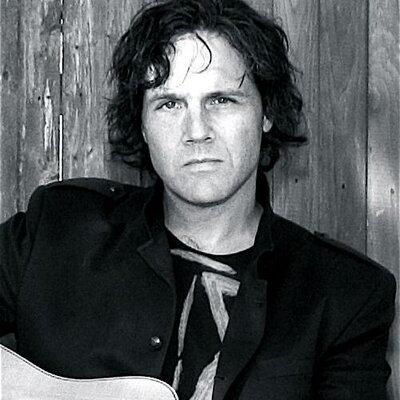
Brian Ray’s Spotify BioGuitarist Brian Ray’s extraordinary career has been a real-life rock & roll fantasy. At 17, Brian signed on as musical director and guitarist for blues great Etta James, a position he would hold for 14 years. With Etta, Brian shared a stage with icons like Van Morrison, John Lee Hooker, and even the Rolling Stones.
In 2002, Brian was hired to play one song with Paul McCartney at a Super Bowl pre-game show. That one-song gig never officially ended, and ever since, Brian has toured extensively with McCartney playing bass, rhythm guitar, and lead guitar in what has been hailed as “Paul’s best band since the Beatles.” Brian can be heard on four McCartney solo albums, including 2018’s Egypt Station, Paul’s first number one album in the U.S. in more than 35 years.
Brian’s latest solo works have been a series of well-received singles for Little Steven’s Wicked Cool label, the most recent of which is a duet with the legendary Smokey Robinson on a new garage-soul version of the classic “The Tears… Of A Clown.” Additionally, Brian is lead vocalist and guitarist in The Bayonets – a band he formed with Oliver Leiber, son of R&B songwriter Jerry Leiber of Leiber & Stoller. Brian has also released two solo records, Mondo Magneto and This Way Up, both engineered by Joe Zook, who has worked with The Hives and Katy Perry. Gibson Guitars recently honored Brian with a signature guitar, the “Brian Ray ‘63 SG”, which has been played onstage by artists like Angus Young, Rick Nielsen, and Slash.
Viberate is a music analytics platform built for A&Rs, artist managers, labels, booking agents, marketers, and artists.
It helps music professionals track artist growth, analyze audience data, monitor playlist activity, compare artists, follow song performance, and identify opportunities across the music market.
Public artist pages provide a free preview of selected artist data. Paid plans provide access to deeper analytics, historical data, charts, comparisons, playlist tools, exports, alerts, reports, and additional professional features.
Yes. Public Viberate artist pages provide selected artist analytics and music data for free.
Viberate also offers a 7-day free trial of the full platform. A credit card is required to start the trial. The trial includes access to the complete product so users can test deeper artist analytics, historical views, playlist insights, comparisons, charts, exports, alerts, and reporting features before choosing a paid plan.
Viberate provides artist analytics across streaming, playlists, social media, video, radio airplay, songs, and audience markets.
Users can analyze Spotify performance, Spotify and Apple Music playlists, YouTube activity, TikTok and Instagram growth, radio spins, song performance, audience locations, demographics, rankings, and overall artist momentum.
Artist profiles also connect to music charts, similar artists, and comparison tools, helping users benchmark performance and evaluate artists in context.
Viberate updates key artist and track data daily.
For followed artists and tracks, selected data is refreshed multiple times per day. This helps teams monitor playlist changes, streaming movement, audience growth, releases, and campaign performance with more current data.
Update frequency can vary depending on the metric and data source.
Yes. Viberate lets users compare up to five artists side by side across streaming, social media, audience, and engagement metrics.
Users can compare fanbase growth, audience demographics, locations, Spotify performance, social metrics, and other artist data over selected time periods.
Artist comparison can be used for A&R scouting, benchmarking, booking decisions, campaign planning, and evaluating artists with similar audiences or market positions.