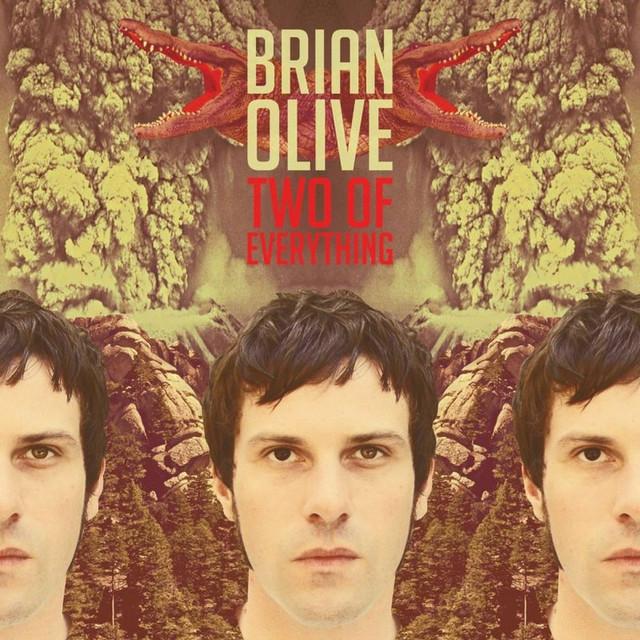
Brian Olive

Rock
Garage Rock
Contemporary Blues
 Viberate Rank: 614071
 Viberate Rank: 614071
 Monthly ListenersFollowers
 Subscribers
 Followers
 Followers
 FansTop Spotify Songs
| Track | 7-Day Streams | |
|---|---|---|
1 | 21 | |
2 | 20 | |
3 | 15 | |
4 | 6 | |
5 | 5 |
Top YouTube VideosMonthly ListenersFeatured in Playlists| Playlist | Followers | |
|---|---|---|
1 | Indie & alternative rock pop Marcus Kärrman | 2.25K |
2 |  MaX FM 95.8 Ankara 📻 Yavuz | 2.24K |
3 |  BIRP! 2009 - 2019 BIRP! | 2.20K |
4 |  Surf and Destroy - Egon Holstad's holiday nuggets Egon Holstad | 1.18K |
Audience| City | Monthly Listeners | |
|---|---|---|
1 | | 5 |
2 |  | 5 |
3 |  | 5 |
4 |  | 4 |
5 |  | 3 |
See full performance history, audience data, playlist activity, rankings, comparisons, and more in Viberate music analytics. Start with a free trial, then continue with a paid plan.
Brian Olive’s Spotify BioBrian Olive already had an impressive career working with some of the more notable figures on the Midwest garage rock and punk blues scene before he reinvented himself with his first solo album in 2009. An Ohio native, Olive got his start in music when he was in high school, playing guitar in a band called Us and Them that would evolve into the celebrated garage rock combo the Greenhornes. Olive appeared on the group's first two albums, 1999's Gun for You and 2000's The Greenhornes, but parted ways with the band to focus his energies on another project, the Soledad Brothers, formed by two fellow Ohioans, Johnny Wirick (aka Johnny Walker) and Ben Smith (aka Ben Swank). Olive relocated to Detroit with the band and, like his new bandmates, adopted a stage name, Henry Oliver. The Soledad Brothers struck up a friendship with Jack White, whose group the White Stripes were just starting to earn some local buzz, and White produced the band's self-titled debut album (with his partner Meg White… helping out on percussion). "Henry Oliver" played keyboards, guitar, sax, and flute with the band, but after recording the Soledad Brothers' second album, Steal Your Soul and Dare Your Spirit to Move, he parted ways with the band and left the Midwest looking for a new musical direction. Reclaiming the name Brian Olive, he decided he wanted to form a band where he would call the shots, and relocated to Cincinnati, where he helped set up a recording studio in the basement of a jewelry store and began working up material with a handful of like-minded musicians. The sessions evolved into Olive's self-titled debut album, released in June 2009, which found him exploring blues, R&B, jazz, garage rock, and psychedelia with equal degrees of skill and eclecticism. The sophomore release Two of Everything followed in 2011, with Olive and Dan Auerbach of the Black Keys sharing production duties. ~ Mark Deming, Rovi
Viberate is a music analytics platform built for A&Rs, artist managers, labels, booking agents, marketers, and artists.
It helps music professionals track artist growth, analyze audience data, monitor playlist activity, compare artists, follow song performance, and identify opportunities across the music market.
Public artist pages provide a free preview of selected artist data. Paid plans provide access to deeper analytics, historical data, charts, comparisons, playlist tools, exports, alerts, reports, and additional professional features.
Yes. Public Viberate artist pages provide selected artist analytics and music data for free.
Viberate also offers a 7-day free trial of the full platform. A credit card is required to start the trial. The trial includes access to the complete product so users can test deeper artist analytics, historical views, playlist insights, comparisons, charts, exports, alerts, and reporting features before choosing a paid plan.
Viberate provides artist analytics across streaming, playlists, social media, video, radio airplay, songs, and audience markets.
Users can analyze Spotify performance, Spotify and Apple Music playlists, YouTube activity, TikTok and Instagram growth, radio spins, song performance, audience locations, demographics, rankings, and overall artist momentum.
Artist profiles also connect to music charts, similar artists, and comparison tools, helping users benchmark performance and evaluate artists in context.
Viberate updates key artist and track data daily.
For followed artists and tracks, selected data is refreshed multiple times per day. This helps teams monitor playlist changes, streaming movement, audience growth, releases, and campaign performance with more current data.
Update frequency can vary depending on the metric and data source.
Yes. Viberate lets users compare up to five artists side by side across streaming, social media, audience, and engagement metrics.
Users can compare fanbase growth, audience demographics, locations, Spotify performance, social metrics, and other artist data over selected time periods.
Artist comparison can be used for A&R scouting, benchmarking, booking decisions, campaign planning, and evaluating artists with similar audiences or market positions.