Brian James

Punk
Punk Rock
Garage Rock
 Viberate Rank: 543355
 Viberate Rank: 543355
 Monthly ListenersFollowers
 Subscribers
 Followers
 Followers
 FansTop Spotify Songs
| Track | 7-Day Streams | |
|---|---|---|
1 | 874 | |
2 | 20 | |
3 | 18 | |
4 | 17 | |
5 | 17 |
Top YouTube VideosMonthly ListenersFeatured in Playlists| Playlist | Followers | |
|---|---|---|
1 |  Chill Rap - Drake, Kendrick Lamar, Wiz Khalifa - new songs and more.. Mateusz Kościelak | 73.92K |
2 | Ego alto 🫣 Aura Frequency | 61.41K |
3 |  Hip Hop Flow Gobi Desert Collective | 44.60K |
4 |  rap hits 2026 The Skadoosh | 43.61K |
5 |  Rap Legendary Sam Giancana | 30.70K |
Audience| City | Monthly Listeners | |
|---|---|---|
1 |  | 8 |
2 | | 6 |
3 |  | 5 |
4 |  | 5 |
5 |  | 4 |
See full performance history, audience data, playlist activity, rankings, comparisons, and more in Viberate music analytics. Start with a free trial, then continue with a paid plan.
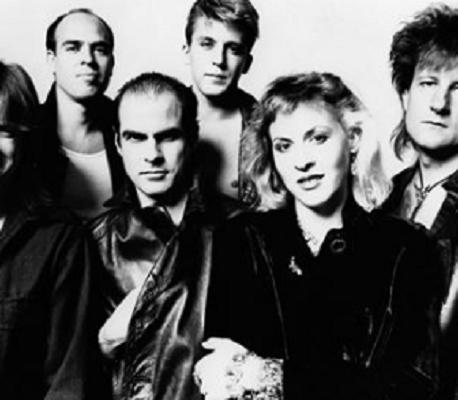
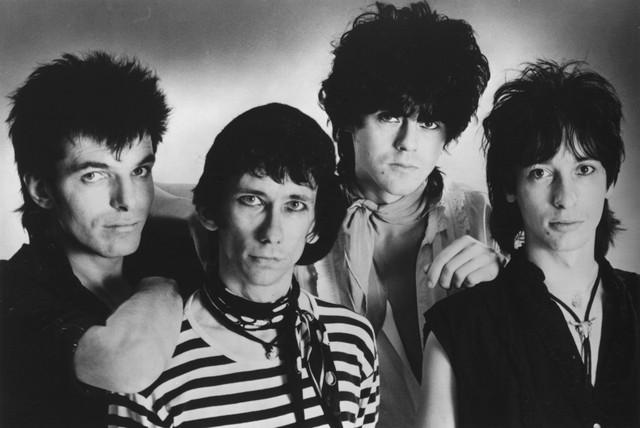
Brian James’ Spotify BioBest known as a member of first-wave U.K. punkers the Damned, guitarist Brian James has also been a member of Iggy Pop's solo band and the goth punk outfit the Lords of the New Church.
Born in London on February 18, 1955, James was inspired by such early proto-punk outfits as the Stooges, the MC5, and the New York Dolls early on, leading to his participation in local London bands (one such outfit being the London S.S., which included future Clash guitarist Mick Jones). By 1975, James had hooked up with fellow newcomers Rat Scabies (aka Chris Miller, drums) and Captain Sensible (aka Ray Burns, bass); resulting in the trio playing alongside a host of varied frontmen, under the names of the Subterraneans and Masters of the Backside.
A year later, the trio had finally found a permanent singer in the form of Dave Vanian (aka David Letts), leading to the formation of the Damned. As part of the burgeoning U.K. punk movement (the Sex Pistols, the Clash, etc.), the Damned hold the noble… distinction of being the first British punk band to issue a single ("New Rose") and album (Damned Damned Damned), both in early 1977. After the release of a sophomore effort the same year, Music for Pleasure, the group would break up and reunite sporadically. Although James issued an obscure solo single, 1979's "Ain't That a Shame," (which featured Police drummer Stewart Copeland), he opted not to pursue a solo recording career.
Up next for James was Iggy Pop's solo band. But, despite playing live with the Pop group (which also included original Sex Pistols bassist Glen Matlock at the time), James never appeared on any of Pop's studio recordings, just such subsequent archival live sets as 1997's Heroin Hates You and 1999's demos/concert collection Nuggets. In 1981, James was ready to put together another full-time band, teaming up with former Dead Boys frontman Stiv Bators and launching the Lords of the New Church. Although the group issued several recordings together (1982's Lords of the New Church, 1983's Is Nothing Sacred?, 1983's Dance With Me, and 1984's Method to Our Madness), the Lords failed to break through to the mainstream, leading to their eventual split in 1988.
James subsequently hooked up again with the Damned for a series of reunion shows in the late '80s/early '90s, before unsuccessfully attempting to launch a new group, Tanz Der Youth. In the early 21st century, James formed the star-studded Mad for the Racket, along with Wayne Kramer, Duff McKagan, Stewart Copeland, and Clem Burke, resulting in the 2001 release, Racketeers. Despite only appearing on a pair of officially released Damned studio albums, a plethora of James-era Damned live and outtake collections reared its head throughout the '90s and beyond: 1990's Peel Sessions #1, 1994's Sessions of the Damned, 1999's Box Set, 1999's Eternal Damnation Live, and 2002's Live: Anthology, among others. ~ Greg Prato, Rovi
Viberate is a music analytics platform built for A&Rs, artist managers, labels, booking agents, marketers, and artists.
It helps music professionals track artist growth, analyze audience data, monitor playlist activity, compare artists, follow song performance, and identify opportunities across the music market.
Public artist pages provide a free preview of selected artist data. Paid plans provide access to deeper analytics, historical data, charts, comparisons, playlist tools, exports, alerts, reports, and additional professional features.
Yes. Public Viberate artist pages provide selected artist analytics and music data for free.
Viberate also offers a 7-day free trial of the full platform. A credit card is required to start the trial. The trial includes access to the complete product so users can test deeper artist analytics, historical views, playlist insights, comparisons, charts, exports, alerts, and reporting features before choosing a paid plan.
Viberate provides artist analytics across streaming, playlists, social media, video, radio airplay, songs, and audience markets.
Users can analyze Spotify performance, Spotify and Apple Music playlists, YouTube activity, TikTok and Instagram growth, radio spins, song performance, audience locations, demographics, rankings, and overall artist momentum.
Artist profiles also connect to music charts, similar artists, and comparison tools, helping users benchmark performance and evaluate artists in context.
Viberate updates key artist and track data daily.
For followed artists and tracks, selected data is refreshed multiple times per day. This helps teams monitor playlist changes, streaming movement, audience growth, releases, and campaign performance with more current data.
Update frequency can vary depending on the metric and data source.
Yes. Viberate lets users compare up to five artists side by side across streaming, social media, audience, and engagement metrics.
Users can compare fanbase growth, audience demographics, locations, Spotify performance, social metrics, and other artist data over selected time periods.
Artist comparison can be used for A&R scouting, benchmarking, booking decisions, campaign planning, and evaluating artists with similar audiences or market positions.