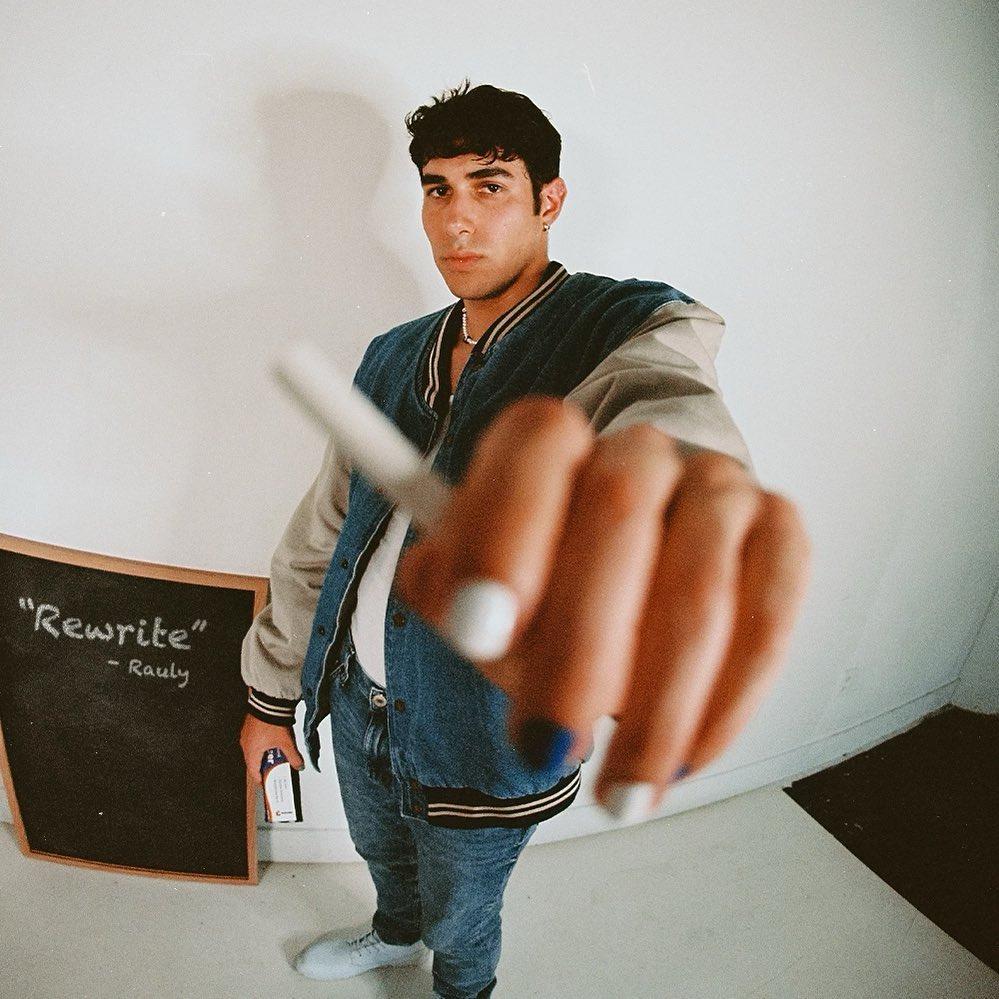
Brett Altman

Pop
Mainstream Pop
 Viberate Rank: 313168
 Viberate Rank: 313168
 Monthly ListenersFollowers
 Subscribers
 Followers
 Followers
 FansTop Spotify Songs
| Track | 7-Day Streams | |
|---|---|---|
1 | 647 | |
2 | 439 | |
3 | 223 | |
4 | 174 | |
5 | 41 |
Top YouTube Videos| Video | 7-Day Views | |
|---|---|---|
1 | 50 | |
2 | 39 | |
3 | 19 | |
4 | 17 | |
5 | 10 |
Monthly ListenersFeatured in Playlists| Playlist | Followers | |
|---|---|---|
1 |  Support The (Indie) Arts allisonleah | 3.11K |
2 |  My quarantine Playlist : Undiscovered Artists Tiphanie D. | 1.72K |
3 |  songs for when ur crushin' cogdeilltay | 1.63K |
4 |  A Approved Artists 🌹🎼 Anacy-Rose | 1.49K |
5 |  Singer Songwriter Symphonic | 1.31K |
Audience| City | Monthly Listeners | |
|---|---|---|
1 | | 72 |
2 |  | 58 |
3 | | 55 |
4 | | 51 |
5 | | 49 |
See full performance history, audience data, playlist activity, rankings, comparisons, and more in Viberate music analytics. Start with a free trial, then continue with a paid plan.
Brett Altman’s Spotify BioPop Artist from New Jersey. Oldest Sibling. Rehabilitated Hopeless Romantic.
Now you know everything about Brett Altman…. kidding.
“Previously on” the last 34 years of Brett’s life:
• Brett grew up in a household obsessed with American Idol
• His college roommates peer pressured him into trying out for “Penn State Idol”
• He won that competition and performed in front of 17,000 people (crazy shit)
• He then got a corporate job and a long distance girlfriend. Music took a backseat (such a cliche)
• They broke up and he made his first EP to try and win her back (he didn’t win her back)
• Brett moved to Hoboken and formed his first band at 27 years old
• He began gigging in NYC. At first the crowds were big, then they were small.
• Then a pandemic happened. Then another break up. Then Brett nearly quit music.
• A friend convinced him to write songs again in Nashville. Two weeks later he had a full length album.
• He released “Abundance”. The song turned heads. He began performing again in NYC. The… crowds grew bigger.
• After 10+ years, Brett finally left the “nine to five”. But first he had to write another album.
• He is now in full-time artist mode and just released an anthem for all the snatched hot chicks thinkin’ about their summer of bussin’ darties in the Hamptons :)
On to the next episode…
Viberate is a music analytics platform built for A&Rs, artist managers, labels, booking agents, marketers, and artists.
It helps music professionals track artist growth, analyze audience data, monitor playlist activity, compare artists, follow song performance, and identify opportunities across the music market.
Public artist pages provide a free preview of selected artist data. Paid plans provide access to deeper analytics, historical data, charts, comparisons, playlist tools, exports, alerts, reports, and additional professional features.
Yes. Public Viberate artist pages provide selected artist analytics and music data for free.
Viberate also offers a 7-day free trial of the full platform. A credit card is required to start the trial. The trial includes access to the complete product so users can test deeper artist analytics, historical views, playlist insights, comparisons, charts, exports, alerts, and reporting features before choosing a paid plan.
Viberate provides artist analytics across streaming, playlists, social media, video, radio airplay, songs, and audience markets.
Users can analyze Spotify performance, Spotify and Apple Music playlists, YouTube activity, TikTok and Instagram growth, radio spins, song performance, audience locations, demographics, rankings, and overall artist momentum.
Artist profiles also connect to music charts, similar artists, and comparison tools, helping users benchmark performance and evaluate artists in context.
Viberate updates key artist and track data daily.
For followed artists and tracks, selected data is refreshed multiple times per day. This helps teams monitor playlist changes, streaming movement, audience growth, releases, and campaign performance with more current data.
Update frequency can vary depending on the metric and data source.
Yes. Viberate lets users compare up to five artists side by side across streaming, social media, audience, and engagement metrics.
Users can compare fanbase growth, audience demographics, locations, Spotify performance, social metrics, and other artist data over selected time periods.
Artist comparison can be used for A&R scouting, benchmarking, booking decisions, campaign planning, and evaluating artists with similar audiences or market positions.