Breaking Point

Metal
Alternative Metal
Hard Rock
 Viberate Rank: 152090
 Viberate Rank: 152090
 Monthly ListenersFollowers
 Subscribers
 Followers
 Followers
 FansTop Spotify Songs
| Track | 7-Day Streams | |
|---|---|---|
1 | 39.54K | |
2 | 7.88K | |
3 | 7.39K | |
4 | 2.73K | |
5 | 1.22K |
Top YouTube VideosMonthly ListenersFeatured in Playlists| Playlist | Followers | |
|---|---|---|
1 | Hard Rock Training/Workout nachpe | 26.21K |
2 | WRESTLING THEMES Lethal Lixy | 26.08K |
3 | Hard rock Jacob | 21.19K |
4 |  ¤ Rock Collection ¤ (The Full Collection) Alexie Mc | 18.84K |
5 |  Headbanger Rock Johnny Stranger | 16.20K |
Audience| City | Monthly Listeners | |
|---|---|---|
1 |  | 1.62K |
2 |  | 1.49K |
3 | | 1.46K |
4 | | 1.33K |
5 |  | 1.21K |
See full performance history, audience data, playlist activity, rankings, comparisons, and more in Viberate music analytics. Start with a free trial, then continue with a paid plan.
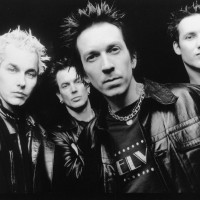
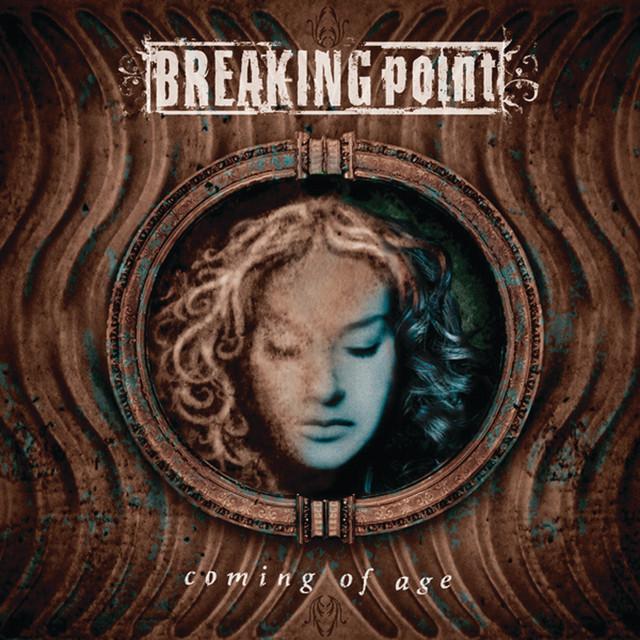
Breaking Point’s Spotify BioMemphis, TN-based rock quartet Breaking Point included Brett Erickson (vocals/guitar), Justin Rimer (guitar), Jody Abbott (drums), and Greg Edmondson (bass). The group came together when Rimer was working at a music store and discovered he had quite a bit in common musically with a customer, Erickson, who had come to purchase a P.A. system. The rest of the band soon fell into place while Rimer took a job at the renowned Memphis recording studio Ardent, where he worked on sessions for 3 Doors Down and Train. After studio execs heard demos of Breaking Point via Rimer, they offered the group a "spec" deal that became the eight-song demo recorded between late 1999 and August 2000. Local radio station WMFS began playing tracks from the group, resulting in the song "27" becoming the most-requested track at the station and climbing to number one on the play list. Shortly thereafter, Wind Up signed the group, issuing their Creed-esque debut, Coming of Age, in September of 2001. Breaking Point… disappeared for awhile then, but resurfaced in spring 2005 with the Wind Up release of their sophomore effort Beautiful Disorder. By this point drummer Aaron "Zeke" Dauner had replaced Abbott. ~ Greg Prato, Rovi
Viberate is a music analytics platform built for A&Rs, artist managers, labels, booking agents, marketers, and artists.
It helps music professionals track artist growth, analyze audience data, monitor playlist activity, compare artists, follow song performance, and identify opportunities across the music market.
Public artist pages provide a free preview of selected artist data. Paid plans provide access to deeper analytics, historical data, charts, comparisons, playlist tools, exports, alerts, reports, and additional professional features.
Yes. Public Viberate artist pages provide selected artist analytics and music data for free.
Viberate also offers a 7-day free trial of the full platform. A credit card is required to start the trial. The trial includes access to the complete product so users can test deeper artist analytics, historical views, playlist insights, comparisons, charts, exports, alerts, and reporting features before choosing a paid plan.
Viberate provides artist analytics across streaming, playlists, social media, video, radio airplay, songs, and audience markets.
Users can analyze Spotify performance, Spotify and Apple Music playlists, YouTube activity, TikTok and Instagram growth, radio spins, song performance, audience locations, demographics, rankings, and overall artist momentum.
Artist profiles also connect to music charts, similar artists, and comparison tools, helping users benchmark performance and evaluate artists in context.
Viberate updates key artist and track data daily.
For followed artists and tracks, selected data is refreshed multiple times per day. This helps teams monitor playlist changes, streaming movement, audience growth, releases, and campaign performance with more current data.
Update frequency can vary depending on the metric and data source.
Yes. Viberate lets users compare up to five artists side by side across streaming, social media, audience, and engagement metrics.
Users can compare fanbase growth, audience demographics, locations, Spotify performance, social metrics, and other artist data over selected time periods.
Artist comparison can be used for A&R scouting, benchmarking, booking decisions, campaign planning, and evaluating artists with similar audiences or market positions.