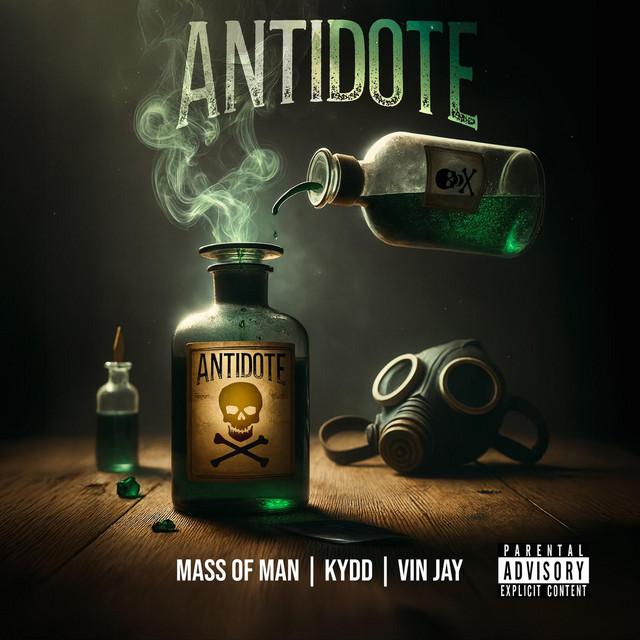
Brandon Taylor

Hip Hop
Contemporary Hip Hop
Alternative Hip Hop
 Viberate Rank: 195222
 Viberate Rank: 195222
 Monthly ListenersFollowers
 Subscribers
 Followers
 Followers
 FansTop Spotify SongsTop YouTube VideosMonthly ListenersFeatured in Playlists
| Playlist | Followers | |
|---|---|---|
1 |  This Is Merkules Spotify | 30.89K |
2 |  WRMFZY BEATS wrmfzy | 18.79K |
3 |  Emo/Alt Trap <3 Rat Records | 8.56K |
4 |  Best New Hip Hop (2026) Daily Fresh Finds | 8.38K |
5 |  Dark and Hard Hip-Hop Daniel Björgvinsson | 4.13K |
Audience| City | Monthly Listeners | |
|---|---|---|
1 | | 1.66K |
2 |  | 1.29K |
3 | | 1.27K |
4 | | 1.15K |
5 |  | 1.13K |
See full performance history, audience data, playlist activity, rankings, comparisons, and more in Viberate music analytics. Start with a free trial, then continue with a paid plan.
Brandon Taylor’s Spotify BioBrandon Taylor is a rapper, singer, producer, and audio engineer based in Vancouver, Canada. His catalogue spans a wide range of styles and subjects, from upbeat trap bangers to chill hip-hop cuts. His self-produced songs (he has released over 90 since 2019) have amassed more than 13,000,000 streams to date.
Brandon was born and raised in Calgary and is half Lebanese and half British. Beginning his career in 2010 at 15, recording songs in his basement, he began saving up money to record at a professional studio. He released his first original mixtape in 2013. In 2014 Brandon began teaching himself to produce beats and decided to pursue music as a career. He worked various jobs and spent his free time learning everything he could about writing, producing, and mixing songs, eventually releasing a self-produced album in 2017.
In 2018, dissatisfied with his previous work, he removed everything he had released up to that point from the internet, and vowed to restart his career from scratch.… In 2019 he released a new song every week for a year, as well as two EPs, totalling 55 songs, all written, produced, and mixed by him. The strategy worked, and Brandon went from nearly zero listeners to tens of thousands, and continued to drop singles the following years. Highlights include “Some More (ft Merkules & Golden Bsp)”, “Nissan”, and “Attitude”. Brandon also produces and engineers for fellow artists, as evidenced by the “Damn Brandon, that’s cold” tag he marks his beats with.
Viberate is a music analytics platform built for A&Rs, artist managers, labels, booking agents, marketers, and artists.
It helps music professionals track artist growth, analyze audience data, monitor playlist activity, compare artists, follow song performance, and identify opportunities across the music market.
Public artist pages provide a free preview of selected artist data. Paid plans provide access to deeper analytics, historical data, charts, comparisons, playlist tools, exports, alerts, reports, and additional professional features.
Yes. Public Viberate artist pages provide selected artist analytics and music data for free.
Viberate also offers a 7-day free trial of the full platform. A credit card is required to start the trial. The trial includes access to the complete product so users can test deeper artist analytics, historical views, playlist insights, comparisons, charts, exports, alerts, and reporting features before choosing a paid plan.
Viberate provides artist analytics across streaming, playlists, social media, video, radio airplay, songs, and audience markets.
Users can analyze Spotify performance, Spotify and Apple Music playlists, YouTube activity, TikTok and Instagram growth, radio spins, song performance, audience locations, demographics, rankings, and overall artist momentum.
Artist profiles also connect to music charts, similar artists, and comparison tools, helping users benchmark performance and evaluate artists in context.
Viberate updates key artist and track data daily.
For followed artists and tracks, selected data is refreshed multiple times per day. This helps teams monitor playlist changes, streaming movement, audience growth, releases, and campaign performance with more current data.
Update frequency can vary depending on the metric and data source.
Yes. Viberate lets users compare up to five artists side by side across streaming, social media, audience, and engagement metrics.
Users can compare fanbase growth, audience demographics, locations, Spotify performance, social metrics, and other artist data over selected time periods.
Artist comparison can be used for A&R scouting, benchmarking, booking decisions, campaign planning, and evaluating artists with similar audiences or market positions.