Box The Oxford

Rock
Indie Rock
Indie Pop
 Viberate Rank: 378616
 Viberate Rank: 378616
 Monthly ListenersFollowers
 Subscribers
 Followers
 Followers
 FansTop Spotify Songs
| Track | 7-Day Streams | |
|---|---|---|
1 | 5.19K | |
2 | 173 | |
3 | 52 | |
4 | 24 | |
5 | 22 |
Top YouTube VideosMonthly ListenersFeatured in Playlists| Playlist | Followers | |
|---|---|---|
1 | Longest playlist on spotify 1000000000+ Tomholland22$ | 21.40K |
2 |  Alternate - XuneMag xunemag | 12.75K |
3 |  14 YEAR PLAYLIST😭😭 Compression | 7.64K |
4 |  camp half-blood júlia v. | 4.16K |
5 |  Blues/Rock Roadtrip Playlist Miq | 3.52K |
Audience| City | Monthly Listeners | |
|---|---|---|
1 | | 239 |
2 | | 164 |
3 | | 142 |
4 | | 140 |
5 |  | 138 |
See full performance history, audience data, playlist activity, rankings, comparisons, and more in Viberate music analytics. Start with a free trial, then continue with a paid plan.
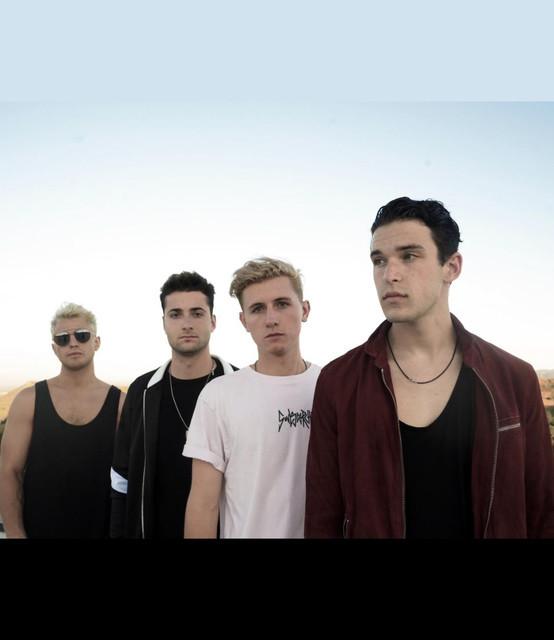
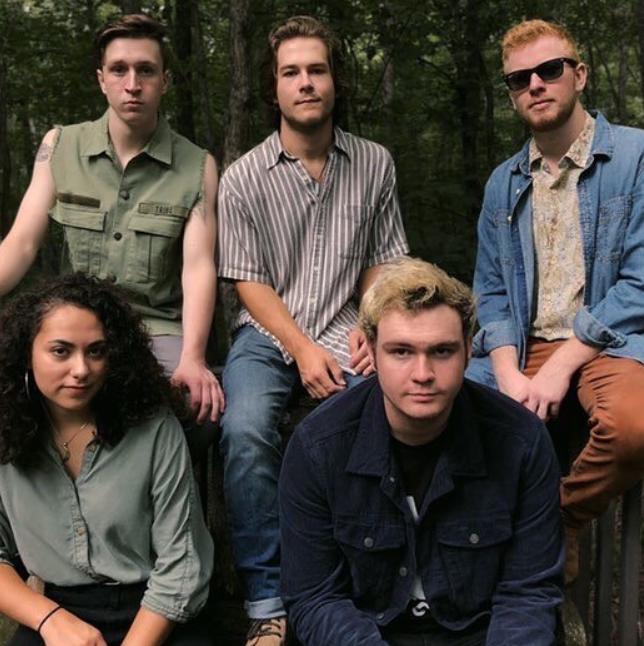
Box The Oxford’s Spotify BioIndie rock band Box the Oxford formed in late 2013 when Andrew Krippner and Colton Stapper met as engineering students at Cal Poly, San Luis Obispo. Eric Osborn (drums) and Davis Muxlow (bass) later joined to help write a self-titled E.P. and Box the Oxford began playing locally with Fialta and Sherwood.
In June 2016, Box the Oxford performed at a Central Coast music festival alongside T-Pain and Jai Wolf. Later that year, they opened for Los Angeles indie artists Kid Cadaver and DWNTWN. In October 2016, Box the Oxford independently released two singles, “Bones” and “Someone” from their debut album "Wild": a collection of rock, electronic, and pop influenced songs. The following year, Box the Oxford went on a west coast tour with Arms Akimbo.
In June 2018, Box the Oxford released their third single "1922", recorded and produced by Brandon Rush (Priory) in Portland, OR.
Instagram: @boxtheoxford
Twitter: @boxtheoxford
Viberate is a music analytics platform built for A&Rs, artist managers, labels, booking agents, marketers, and artists.
It helps music professionals track artist growth, analyze audience data, monitor playlist activity, compare artists, follow song performance, and identify opportunities across the music market.
Public artist pages provide a free preview of selected artist data. Paid plans provide access to deeper analytics, historical data, charts, comparisons, playlist tools, exports, alerts, reports, and additional professional features.
Yes. Public Viberate artist pages provide selected artist analytics and music data for free.
Viberate also offers a 7-day free trial of the full platform. A credit card is required to start the trial. The trial includes access to the complete product so users can test deeper artist analytics, historical views, playlist insights, comparisons, charts, exports, alerts, and reporting features before choosing a paid plan.
Viberate provides artist analytics across streaming, playlists, social media, video, radio airplay, songs, and audience markets.
Users can analyze Spotify performance, Spotify and Apple Music playlists, YouTube activity, TikTok and Instagram growth, radio spins, song performance, audience locations, demographics, rankings, and overall artist momentum.
Artist profiles also connect to music charts, similar artists, and comparison tools, helping users benchmark performance and evaluate artists in context.
Viberate updates key artist and track data daily.
For followed artists and tracks, selected data is refreshed multiple times per day. This helps teams monitor playlist changes, streaming movement, audience growth, releases, and campaign performance with more current data.
Update frequency can vary depending on the metric and data source.
Yes. Viberate lets users compare up to five artists side by side across streaming, social media, audience, and engagement metrics.
Users can compare fanbase growth, audience demographics, locations, Spotify performance, social metrics, and other artist data over selected time periods.
Artist comparison can be used for A&R scouting, benchmarking, booking decisions, campaign planning, and evaluating artists with similar audiences or market positions.