Box Elders

Rock
Garage Rock
Indie Rock
Alternative Rock
 Viberate Rank: 630221
 Viberate Rank: 630221
 Monthly ListenersFollowers
 Subscribers
 Followers
 Followers
 FansTop Spotify Songs
| Track | 7-Day Streams | |
|---|---|---|
1 | 23 | |
2 | 13 | |
3 | 13 | |
4 | 11 | |
5 | 8 |
Top YouTube VideosMonthly ListenersFeatured in Playlists| Playlist | Followers | |
|---|---|---|
1 |  Surf rock/psychadelic/jingly jangly Sam Gbr Vy | 8.46K |
2 |  Garage Punk / Lo-Fi Nick Seaney | 5.40K |
3 | Burger Records Stu White | 3.34K |
4 |  ⊛ beach goth ⊛ Thuỳ Dang | 1.89K |
5 | Surf-Indie-Garage-Punk-Psycho-Shoegaze-Fuzz-Blues -> Novel Alternative Playlist Louie Louie Rama Lamadindon | 1.70K |
Audience| City | Monthly Listeners | |
|---|---|---|
1 | | 6 |
2 | | 4 |
3 | | 4 |
4 |  | 4 |
5 | | 4 |
See full performance history, audience data, playlist activity, rankings, comparisons, and more in Viberate music analytics. Start with a free trial, then continue with a paid plan.
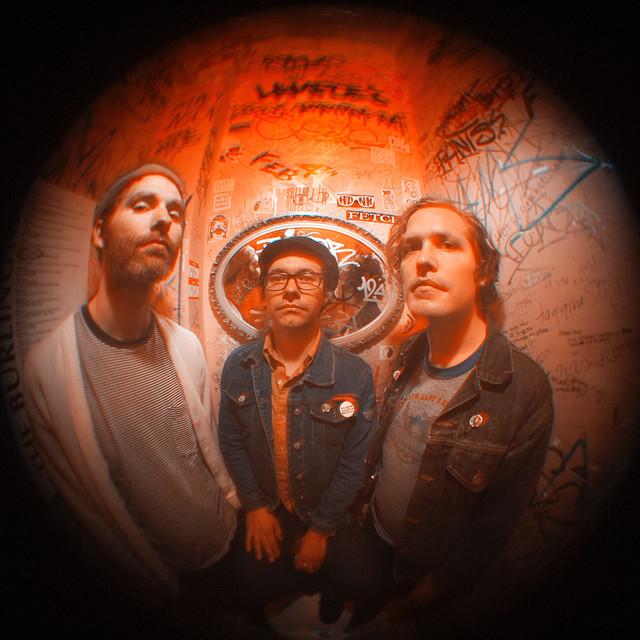
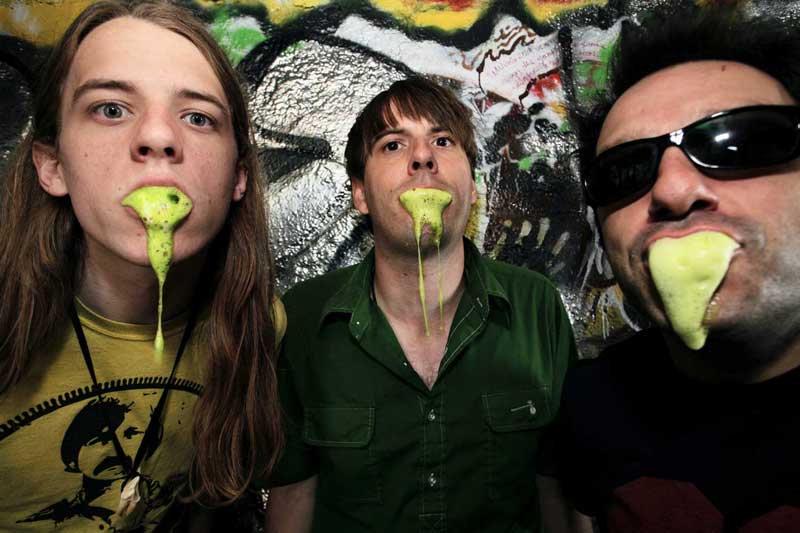
Box Elders’ Spotify BioNamed for a variety of black and orange bugs described by entomologists as annoying but harmless, the Box Elders are a trio from Omaha, NE, led by brothers Jeremiah McIntyre (guitar and vocals) and Clayton McIntyre (bass and vocals), whose childhood home was infested with the insects, hundreds of which filled up a snare drum in the room where they rehearsed. Formed in 2005, the first lineup of the Box Elders included Jeremiah and Clayton's mom on drums and lead vocals, but familial tension and a lack of discipline concerning memorizing lyrics led to her leaving the group after a few months. The Box Elders became a trio again with the arrival of Dave Goldberg, who could play drums and keyboards at the same time. Generating a sound that's simultaneously raw and infectiously poppy, the Box Elders put their music on plastic for the first time with a 7" vinyl EP from the local Grotto Records label, featuring the original "Hole in My Head" and a Redd Kross cover. After a handful of other… singles for other indie labels and plenty of low-budget touring (including a set at the 2009 South by Southwest Music Conference), the Box Elders struck a deal with Memphis' Goner Records, which released their first full-length album, Alice and Friends, in August 2009. ~ Mark Deming, Rovi
Viberate is a music analytics platform built for A&Rs, artist managers, labels, booking agents, marketers, and artists.
It helps music professionals track artist growth, analyze audience data, monitor playlist activity, compare artists, follow song performance, and identify opportunities across the music market.
Public artist pages provide a free preview of selected artist data. Paid plans provide access to deeper analytics, historical data, charts, comparisons, playlist tools, exports, alerts, reports, and additional professional features.
Yes. Public Viberate artist pages provide selected artist analytics and music data for free.
Viberate also offers a 7-day free trial of the full platform. A credit card is required to start the trial. The trial includes access to the complete product so users can test deeper artist analytics, historical views, playlist insights, comparisons, charts, exports, alerts, and reporting features before choosing a paid plan.
Viberate provides artist analytics across streaming, playlists, social media, video, radio airplay, songs, and audience markets.
Users can analyze Spotify performance, Spotify and Apple Music playlists, YouTube activity, TikTok and Instagram growth, radio spins, song performance, audience locations, demographics, rankings, and overall artist momentum.
Artist profiles also connect to music charts, similar artists, and comparison tools, helping users benchmark performance and evaluate artists in context.
Viberate updates key artist and track data daily.
For followed artists and tracks, selected data is refreshed multiple times per day. This helps teams monitor playlist changes, streaming movement, audience growth, releases, and campaign performance with more current data.
Update frequency can vary depending on the metric and data source.
Yes. Viberate lets users compare up to five artists side by side across streaming, social media, audience, and engagement metrics.
Users can compare fanbase growth, audience demographics, locations, Spotify performance, social metrics, and other artist data over selected time periods.
Artist comparison can be used for A&R scouting, benchmarking, booking decisions, campaign planning, and evaluating artists with similar audiences or market positions.