Bored Nothing

Rock
Indie Rock
Dream Pop
 Viberate Rank: 338870
 Viberate Rank: 338870
 Monthly ListenersFollowers
 Subscribers
 Followers
 Followers
 FansTop Spotify Songs
| Track | 7-Day Streams | |
|---|---|---|
1 | 415 | |
2 | 64 | |
3 | 47 | |
4 | 32 | |
5 | 20 |
Top YouTube VideosMonthly ListenersFeatured in Playlists| Playlist | Followers | |
|---|---|---|
1 |  Dream Pop Kasper Gutman | 38.21K |
2 |  Dreampop & Shoegaze caden.shortridge | 35.01K |
3 |  the worst taste Desmond Cai | 24.10K |
4 | shoedream mmastodonn | 23.43K |
5 |  Majestic Casual | Chapter 2 Majestic Casual | 11.64K |
Audience| City | Monthly Listeners | |
|---|---|---|
1 |  | 61 |
2 | | 34 |
3 | | 31 |
4 | | 30 |
5 | | 30 |
See full performance history, audience data, playlist activity, rankings, comparisons, and more in Viberate music analytics. Start with a free trial, then continue with a paid plan.
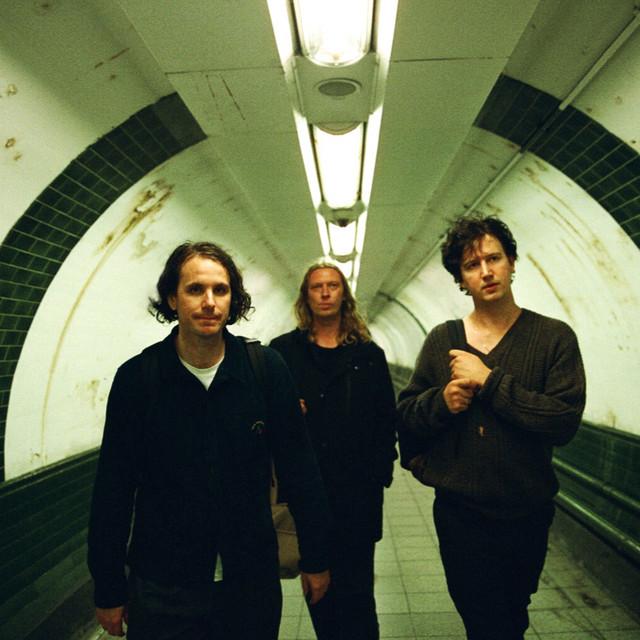
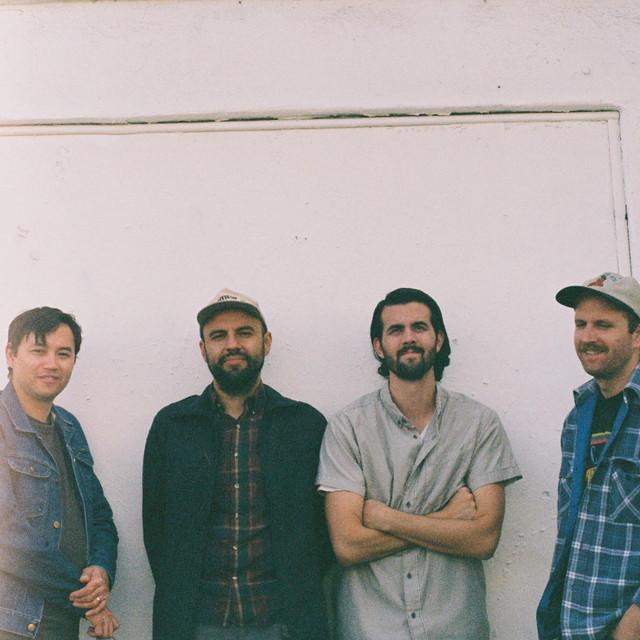
Bored Nothing’s Spotify BioWorking from his bedroom and recording all the parts by himself like a true '90s indie rock obsessive, Melbourne, Australia native Fergus Miller began releasing songs via Bandcamp in 2010 with the Other Things EP under the name Splintered Oar. His lo-fi, bedroom folk sound conjured up a more experimental Elliott Smith, and Miller's voice did bear an uncanny resemblance to the late singer's angelic croon. Further EPs followed under the Splintered Oar name in 2011 (Reverie 8, Beard of Bees, 7 Ribs), as did an EP of electronic songs under the name Mexico (Freedom from Occult Practices), before Miller bought an old four-track recorder and changed his project's name to Bored Nothing. Along with the new name, he adopted a guitar-heavy sound that brought to mind noise bands like Sonic Youth and power poppers like Teenage Fanclub, and mixed in some jangle pop and shoegaze influences as well. Once he switched sounds, Miller began issuing a flood of songs, both on Bandcamp and on CD-Rs that he… would pass around his hometown. He also put out a homemade cassette of the first three EPs, and in mid-2012, rounded up a band to play his songs on the stage. The live band's debut took place in August of 2012. Around this time Miller hooked up with Spunk Records and in November, released Bored Nothing. The record was made up of songs taken from previous releases, plus five new songs, all recorded at home with only some guitar added by Marcus Sellars on one track and keyboard by Geoffrey Thorsen on another. The album was then released in the U.S. by Spunk and Cooperative Music in April of 2013. The next Bored Nothing album was recorded in a studio, but still managed to have a slacker-y homemade feel. Some Songs was released in late 2014.~ Tim Sendra
Viberate is a music analytics platform built for A&Rs, artist managers, labels, booking agents, marketers, and artists.
It helps music professionals track artist growth, analyze audience data, monitor playlist activity, compare artists, follow song performance, and identify opportunities across the music market.
Public artist pages provide a free preview of selected artist data. Paid plans provide access to deeper analytics, historical data, charts, comparisons, playlist tools, exports, alerts, reports, and additional professional features.
Yes. Public Viberate artist pages provide selected artist analytics and music data for free.
Viberate also offers a 7-day free trial of the full platform. A credit card is required to start the trial. The trial includes access to the complete product so users can test deeper artist analytics, historical views, playlist insights, comparisons, charts, exports, alerts, and reporting features before choosing a paid plan.
Viberate provides artist analytics across streaming, playlists, social media, video, radio airplay, songs, and audience markets.
Users can analyze Spotify performance, Spotify and Apple Music playlists, YouTube activity, TikTok and Instagram growth, radio spins, song performance, audience locations, demographics, rankings, and overall artist momentum.
Artist profiles also connect to music charts, similar artists, and comparison tools, helping users benchmark performance and evaluate artists in context.
Viberate updates key artist and track data daily.
For followed artists and tracks, selected data is refreshed multiple times per day. This helps teams monitor playlist changes, streaming movement, audience growth, releases, and campaign performance with more current data.
Update frequency can vary depending on the metric and data source.
Yes. Viberate lets users compare up to five artists side by side across streaming, social media, audience, and engagement metrics.
Users can compare fanbase growth, audience demographics, locations, Spotify performance, social metrics, and other artist data over selected time periods.
Artist comparison can be used for A&R scouting, benchmarking, booking decisions, campaign planning, and evaluating artists with similar audiences or market positions.