Boozoo Chavis

Country
Americana/Alt Country
 Viberate Rank: 291660
 Viberate Rank: 291660
 Monthly ListenersFollowers
 Subscribers
 Followers
 Followers
 FansTop Spotify Songs
| Track | 7-Day Streams | |
|---|---|---|
1 | 1.33K | |
2 | 719 | |
3 | 627 | |
4 | 609 | |
5 | 605 |
Top YouTube VideosMonthly ListenersFeatured in Playlists| Playlist | Followers | |
|---|---|---|
1 |  The Sound of Everything The Sounds of Spotify | 53.82K |
2 | Zydeco Cajun Music sarah_tv | 31.12K |
3 | Zydeco Greatest Hits John | 17.28K |
4 | Cajun/Zydeco/Swamp Pop Nikki Courvelle | 6.55K |
5 |  WWOZ 90.7 FM (New Orleans Radio) Bryson Whitney | 6.48K |
Audience| City | Monthly Listeners | |
|---|---|---|
1 | | 534 |
2 | | 388 |
3 | | 276 |
4 | | 223 |
5 | | 220 |
See full performance history, audience data, playlist activity, rankings, comparisons, and more in Viberate music analytics. Start with a free trial, then continue with a paid plan.
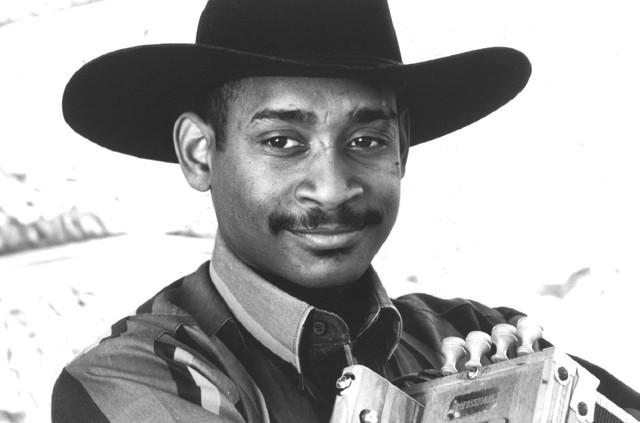
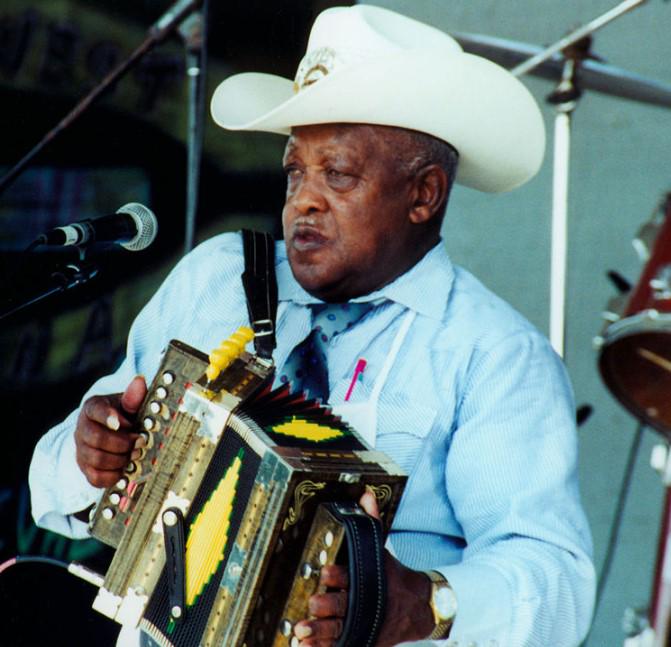
Boozoo Chavis’ Spotify BioBoozoo Chavis (born Wilson Anthony Chavis) was one of the pioneers of zydeco, the Cajun and blues hybrid originating in southwest Louisiana. Although his self-composed 1954 single, "Paper in My Shoes," was the first zydeco hit, Chavis was distrustful of the music industry and refused to perform publicly or record again until 1984. In an interview featured in the 1990 book, The New Folk Music, Chavis explained, "I got gypped out of my record. I get frustrated, sometimes. I love to play, but, when I get to thinking about 1955... They stole my record. They said that it only sold 150,000 copies. But, my cousin, who used to live in Boston, checked it out. It sold over a million copies. I was supposed to have a gold record." After leaving the music business, Chavis devoted his attention to raising champion racehorses in Shrevesport and Lafayette, LA and TX. Chavis waited until 1984 before returning to music. Signing a five-year contract with the Maison de Soul label, he recorded four albums… -- Louisiana Zydico Music, Boozoo Zydeco!, Zydeco Homebrew, and Zydeco Trail Ride. Chavis' 1997 album, Hey, Do Right, was produced by Terry Adams, keyboardist for NRBQ, who paid tribute to Chavis in their 1989 song, "Boozoo, That's Who."
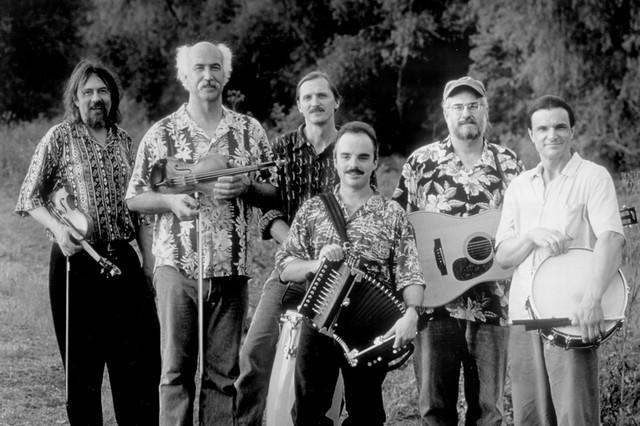
Chavis' performances, with his band, the Majic Sounds, included a much-heralded appearance at the Newport Folk Festival and the New Orleans Jazz and Heritage Festival. The New York Times wrote, "(Chavis is) chaos on two feet. A little bullet of a man, he runs around onstage, shouting and yelling....(his) music can achieve a trancelike intensity". In a review of Chavis' performance at the Southwest Louisiana Zydeco Music Festival, Paul Scott wrote, "There are a lot of Boozoo prototypes coming out. They may be smoother than Boozoo but they try to get his hard accordion; that rough, raw, style; and his sore throat type of singing. And with that single-note and triple-note accordion, he's doing a lot to bring a return to basic zydeco."
The son of tenant farmers, Chavis acquired his nickname as a youngster. Chavis was raised by his mother, who cleaned houses and sold barbecue at horse races until raising enough money to buy a three acre tract of land where she and Chavis moved in 1944. Acquiring an accordion from his father and teaching himself to play, Chavis was soon playing at local barn dances and in the dance club opened by his mother, where he often sat in with Morris Chenier and his sons, Clifton and Cleveland. In 1994, Chavis appeared in Robert Mugge's video documentary, The Kingdom of Zydeco. He was inducted into the Zydeco Hall of Fame four years later. Continuing to release music into the new millennium, Chavis issued Johnnie Billy Goat in fall 2000. On May 5, 2001 Chavis died after suffering from complications related to a heart attack he'd had a month earlier. ~ Craig Harris, Rovi
Viberate is a music analytics platform built for A&Rs, artist managers, labels, booking agents, marketers, and artists.
It helps music professionals track artist growth, analyze audience data, monitor playlist activity, compare artists, follow song performance, and identify opportunities across the music market.
Public artist pages provide a free preview of selected artist data. Paid plans provide access to deeper analytics, historical data, charts, comparisons, playlist tools, exports, alerts, reports, and additional professional features.
Yes. Public Viberate artist pages provide selected artist analytics and music data for free.
Viberate also offers a 7-day free trial of the full platform. A credit card is required to start the trial. The trial includes access to the complete product so users can test deeper artist analytics, historical views, playlist insights, comparisons, charts, exports, alerts, and reporting features before choosing a paid plan.
Viberate provides artist analytics across streaming, playlists, social media, video, radio airplay, songs, and audience markets.
Users can analyze Spotify performance, Spotify and Apple Music playlists, YouTube activity, TikTok and Instagram growth, radio spins, song performance, audience locations, demographics, rankings, and overall artist momentum.
Artist profiles also connect to music charts, similar artists, and comparison tools, helping users benchmark performance and evaluate artists in context.
Viberate updates key artist and track data daily.
For followed artists and tracks, selected data is refreshed multiple times per day. This helps teams monitor playlist changes, streaming movement, audience growth, releases, and campaign performance with more current data.
Update frequency can vary depending on the metric and data source.
Yes. Viberate lets users compare up to five artists side by side across streaming, social media, audience, and engagement metrics.
Users can compare fanbase growth, audience demographics, locations, Spotify performance, social metrics, and other artist data over selected time periods.
Artist comparison can be used for A&R scouting, benchmarking, booking decisions, campaign planning, and evaluating artists with similar audiences or market positions.