Boni

Rock
Alternative Rock
Hard Rock
 Viberate Rank: 179065
 Viberate Rank: 179065
 Monthly ListenersFollowers
 Subscribers
 Followers
 Followers
 FansTop Spotify SongsTop YouTube VideosMonthly ListenersFeatured in Playlists
| Playlist | Followers | |
|---|---|---|
1 |  rock español Dedilav | 10.84K |
2 |  El Mejor Rock - Metal Estatal🔝 Animal Records | 6.69K |
3 | Viña Rock 2016 VIÑA ROCK | 4.52K |
4 |  Punk Rock Español Antonio Fco Quintana | 3.09K |
5 | ROCK, SKA , REGGAE Y DE TODO UN POCO Julio Monroy | 2.65K |
Audience| City | Monthly Listeners | |
|---|---|---|
1 | | 1.01K |
2 | | 543 |
3 | | 382 |
4 | | 213 |
5 | | 156 |
See full performance history, audience data, playlist activity, rankings, comparisons, and more in Viberate music analytics. Start with a free trial, then continue with a paid plan.
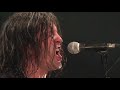
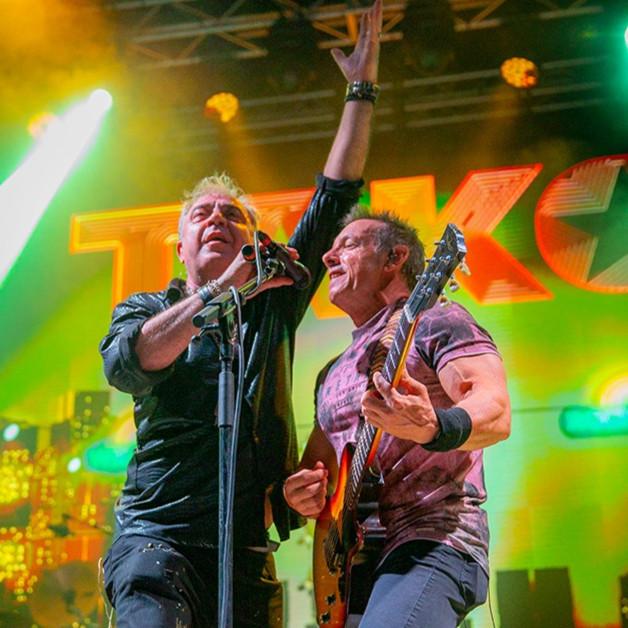
Boni’s Spotify BioBoni nació en Pamplona en 1963. Tercero de cinco hermanos, su infancia transcurrió en el barrio del Ensanche de la capital navarra. Sería precisamente en ese barrio donde daría su primer concierto, con una banda que había formado junto a dos amigos de su infancia.
Después de su paso por Némesis, el primer grupo del que formó parte, en 1982, con diecinueve años, fundó la banda de rock Barricada junto a Enrique Villarreal "El Drogas". Había sido precisamente un concierto con su antiguo grupo el detonante para la incorporación de Boni al proyecto musical que tenía en mente el Drogas, al cual llamó la atención el guitarrista de aquella banda cuando los descubrió ese mismo día tocando en el barrio pamplonés de la Txantrea. Semanas después, la suerte de coincidir con Boni en un viaje en autobús le sirvió al Drogas para convencerlo de unirse a la idea que planeaba sobre Barricada.
Dio su primer concierto con la banda el 18 de abril de 1982 en la plaza de Txantrea de su ciudad natal y un año… después grabó el disco "Noche de rock&roll". Continuó al frente de la banda compartiendo la voz con El Drogas, y desde 2011 como única voz hasta la disolución de la banda en 2013, siendo el único miembro que permaneció en la banda desde el primer hasta el último concierto.
Dotado de una voz rasgada e inconfundible, también publicó tres álbumes en calidad de solista: Peligroso animal de compañía (1992), Incandescente (2015) y Réquiem por el mundo (2018).
Viberate is a music analytics platform built for A&Rs, artist managers, labels, booking agents, marketers, and artists.
It helps music professionals track artist growth, analyze audience data, monitor playlist activity, compare artists, follow song performance, and identify opportunities across the music market.
Public artist pages provide a free preview of selected artist data. Paid plans provide access to deeper analytics, historical data, charts, comparisons, playlist tools, exports, alerts, reports, and additional professional features.
Yes. Public Viberate artist pages provide selected artist analytics and music data for free.
Viberate also offers a 7-day free trial of the full platform. A credit card is required to start the trial. The trial includes access to the complete product so users can test deeper artist analytics, historical views, playlist insights, comparisons, charts, exports, alerts, and reporting features before choosing a paid plan.
Viberate provides artist analytics across streaming, playlists, social media, video, radio airplay, songs, and audience markets.
Users can analyze Spotify performance, Spotify and Apple Music playlists, YouTube activity, TikTok and Instagram growth, radio spins, song performance, audience locations, demographics, rankings, and overall artist momentum.
Artist profiles also connect to music charts, similar artists, and comparison tools, helping users benchmark performance and evaluate artists in context.
Viberate updates key artist and track data daily.
For followed artists and tracks, selected data is refreshed multiple times per day. This helps teams monitor playlist changes, streaming movement, audience growth, releases, and campaign performance with more current data.
Update frequency can vary depending on the metric and data source.
Yes. Viberate lets users compare up to five artists side by side across streaming, social media, audience, and engagement metrics.
Users can compare fanbase growth, audience demographics, locations, Spotify performance, social metrics, and other artist data over selected time periods.
Artist comparison can be used for A&R scouting, benchmarking, booking decisions, campaign planning, and evaluating artists with similar audiences or market positions.