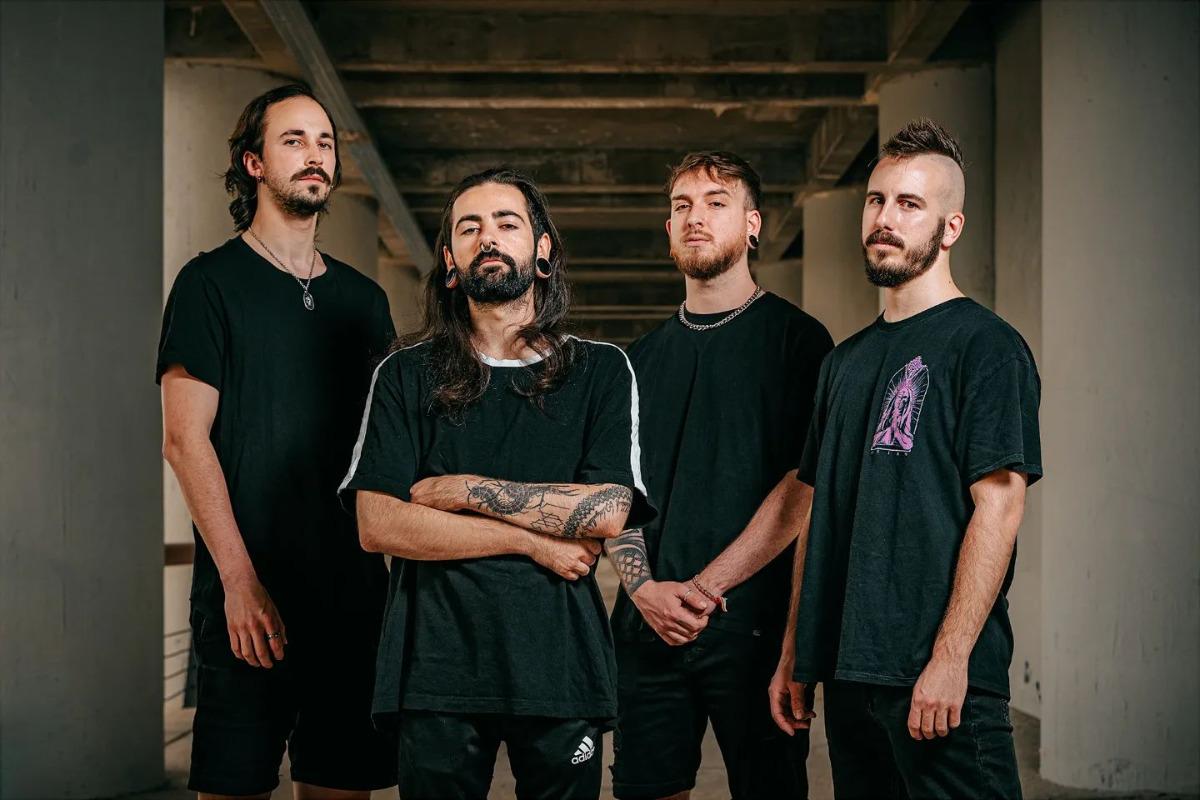
Bonecarver

Metal
Death Metal
Metalcore/Deathcore
Grindcore
 Viberate Rank: 212206
 Viberate Rank: 212206
 Monthly ListenersFollowers
 Subscribers
 Followers
 Followers
 FansTop Spotify Songs
| Track | 7-Day Streams | |
|---|---|---|
1 | 319 | |
2 | 267 | |
3 | 192 | |
4 | 168 | |
5 | 154 |
Top YouTube Videos| Video | 7-Day Views | |
|---|---|---|
1 | 49 | |
2 | 42 | |
3 | 41 | |
4 | 33 | |
5 | 25 |
Monthly ListenersFeatured in Playlists| Playlist | Followers | |
|---|---|---|
1 | DeathCore and Filthy BreakDowns Yasen Doichinov | 13.06K |
2 |  Brutal Deathcore EC | 11.87K |
3 |  Symphonic Deathcore Kim Steinbach Reif | 9.65K |
4 |  Eat shit and die luxxxkayy | 7.31K |
5 |  Deathcore FM xdeathcorex | 5.90K |
Audience| City | Monthly Listeners | |
|---|---|---|
1 |  | 38 |
2 | | 35 |
3 | | 34 |
4 |  | 34 |
5 |  | 33 |
See full performance history, audience data, playlist activity, rankings, comparisons, and more in Viberate music analytics. Start with a free trial, then continue with a paid plan.
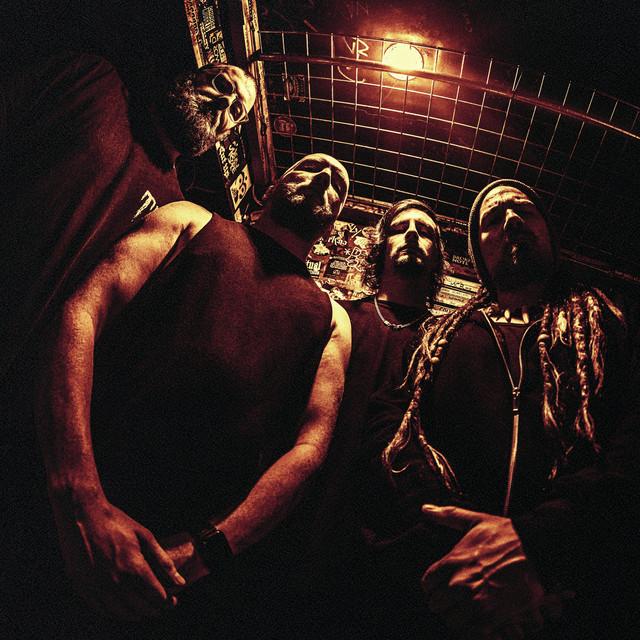
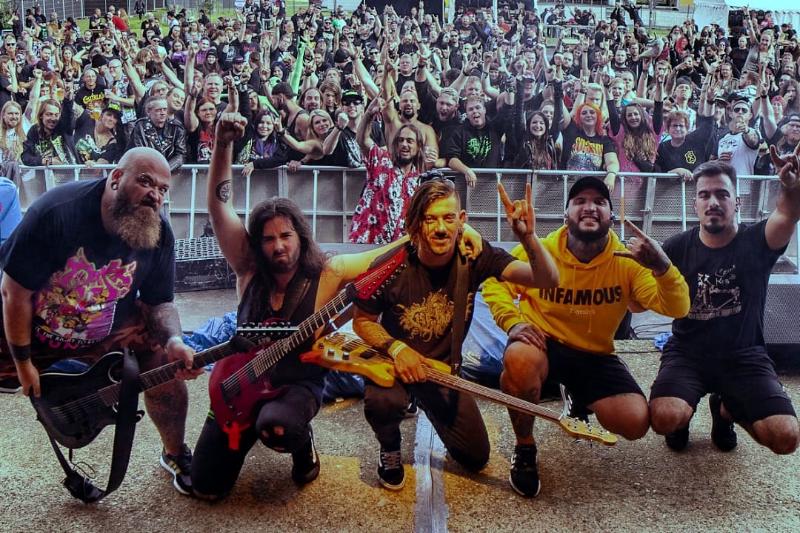
Bonecarver’s Spotify BioEmerging from the dark and post-apocalyptic Madrid underground brutal death metal/slam scene, Bonecarver has undergone a powerful transformation. While originally formed in 2014 under the name Cannibal Grandpa, they have evolved far beyond their early days, continuously pushing the boundaries of Spanish modern death metal. After releasing the albums Feed Your Food and Septum Signa Inferno and playing over 50 shows across Europe, including major festivals like Resurrection Fest, Download Festival, and DeathFeast, the band made a bold move in 2020 by signing with Unique Leader Records and changing their name to Bonecarver.
Bonecarver’s 2021 album Evil, heavily inspired by the gruesome acts of serial killer Albert Fish, marked a pivotal moment in the band's sound and maturity. Following that, they dropped Carnage Funeral, a relentless follow-up that solidified their presence in the brutal death metal scene. Soon after came the EP Unholy Dissolution, which coincided with a lineup change.
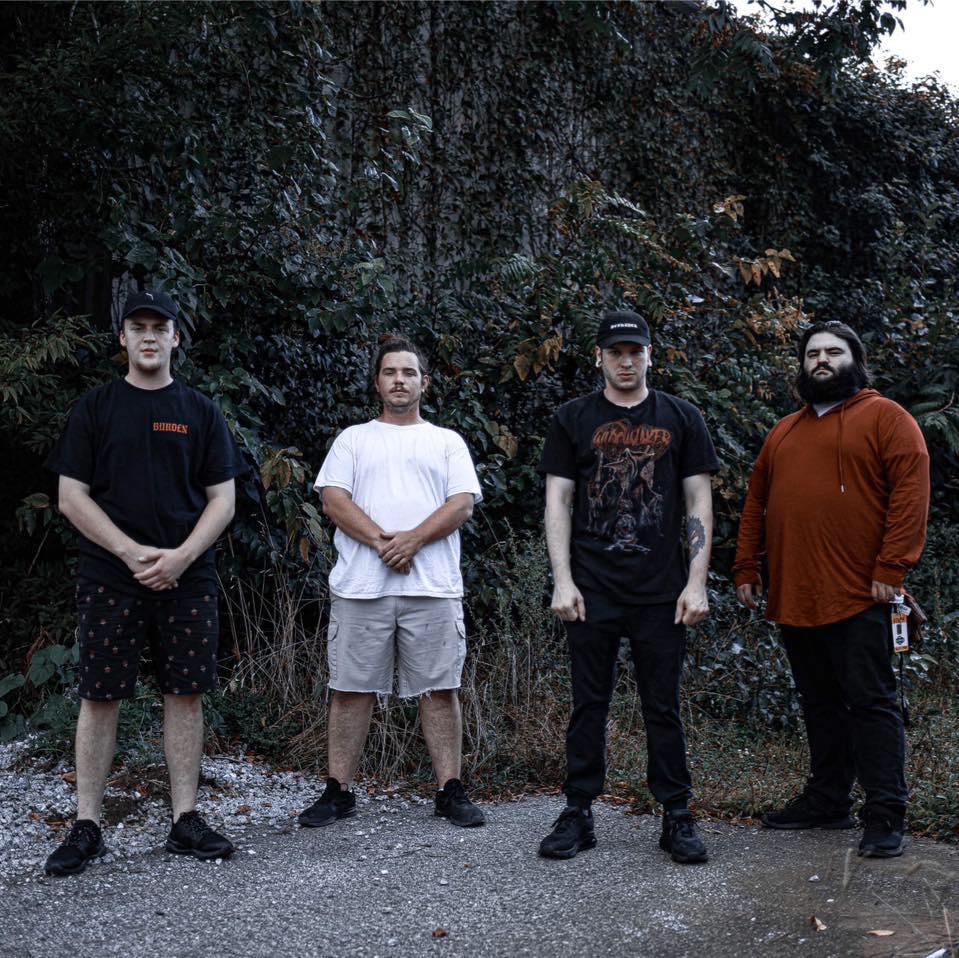
The… reformation brought fresh energy to the band with new members: Steven Hunt (ex-A Trust Unclean) on guitar, Kim Hughes (Bound in Fear) on drums, and Gonzalo Alvarez (Chains of Agony) on vocals. Now under the leadership of Alex Tena, Bonecarver is not only preparing new material but also gearing up for extensive tours. The band is more focused, determined, and stronger than ever, ready to unleash their revamped sound and continue their domination of the extreme metal world.
Viberate is a music analytics platform built for A&Rs, artist managers, labels, booking agents, marketers, and artists.
It helps music professionals track artist growth, analyze audience data, monitor playlist activity, compare artists, follow song performance, and identify opportunities across the music market.
Public artist pages provide a free preview of selected artist data. Paid plans provide access to deeper analytics, historical data, charts, comparisons, playlist tools, exports, alerts, reports, and additional professional features.
Yes. Public Viberate artist pages provide selected artist analytics and music data for free.
Viberate also offers a 7-day free trial of the full platform. A credit card is required to start the trial. The trial includes access to the complete product so users can test deeper artist analytics, historical views, playlist insights, comparisons, charts, exports, alerts, and reporting features before choosing a paid plan.
Viberate provides artist analytics across streaming, playlists, social media, video, radio airplay, songs, and audience markets.
Users can analyze Spotify performance, Spotify and Apple Music playlists, YouTube activity, TikTok and Instagram growth, radio spins, song performance, audience locations, demographics, rankings, and overall artist momentum.
Artist profiles also connect to music charts, similar artists, and comparison tools, helping users benchmark performance and evaluate artists in context.
Viberate updates key artist and track data daily.
For followed artists and tracks, selected data is refreshed multiple times per day. This helps teams monitor playlist changes, streaming movement, audience growth, releases, and campaign performance with more current data.
Update frequency can vary depending on the metric and data source.
Yes. Viberate lets users compare up to five artists side by side across streaming, social media, audience, and engagement metrics.
Users can compare fanbase growth, audience demographics, locations, Spotify performance, social metrics, and other artist data over selected time periods.
Artist comparison can be used for A&R scouting, benchmarking, booking decisions, campaign planning, and evaluating artists with similar audiences or market positions.