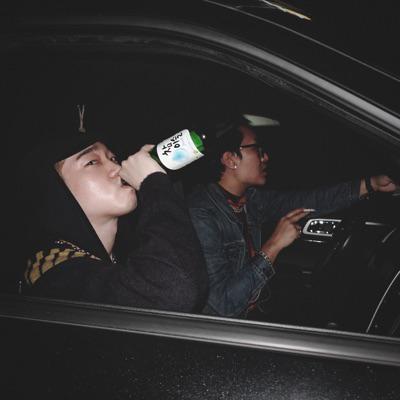
Bona Zoe

Hip Hop
Alternative Hip Hop
k-rap
 Viberate Rank: 613076
 Viberate Rank: 613076
 Monthly ListenersFollowers
 Subscribers
 Followers
 Followers
 FansTop Spotify SongsTop YouTube VideosMonthly ListenersFeatured in Playlists
| Playlist | Followers | |
|---|---|---|
1 |  Badass Korean Rap 🇰🇷 Amélie Leblanc | 12.63K |
2 |  K Rap/Korean Rap/KHiphop/Korean R&B Josh Lee | 12.33K |
3 |  KOREAN FEMALE RAPPERS VI SANT | 9.21K |
4 |  krnb/ khh/ krap hanceum | 4.77K |
5 |  KROCK (Korean rock/punk/metal/alternative rock/indie/pop rock) Monixxie | 2.97K |
Audience| City | Monthly Listeners | |
|---|---|---|
1 | | 6 |
2 |  | 4 |
3 | | 4 |
4 | | 3 |
5 | | 3 |
See full performance history, audience data, playlist activity, rankings, comparisons, and more in Viberate music analytics. Start with a free trial, then continue with a paid plan.
Bona Zoe’s Spotify BioShin Seongho, better known by his stage name Bona Zoe, is an artist/producer/sound engineer based in Seoul, Korea. He first started his music career writing rap lyrics and playing guitar in a school band as a kid. “Being an interior design/architecture major in college, I always felt like a misfit, and making music was my salvation. The moment I realized this, I decided to take music seriously and dropped out to pursue a career in music,” says Shin. After dropping out out of HYU, he traveled all around Europe and Asia with a backpack and a guitar, writing songs. He put the songs together and released them on SoundCloud as a mixtape, which marked the beginning of his career as Bona Zoe.
Bona Zoe’s discography is mainly based in hiphop; however it is very unorthodox. Given his experience in a band, his music consists of various guitar loops, which can be found to be rather alternative/rock-ish. Gritty vocals and emotional lyrics deliver a unique vibe that is hard to define. “My goal as a… musician is to give courage to people around the world to get through life,” says Bona Zoe.
Viberate is a music analytics platform built for A&Rs, artist managers, labels, booking agents, marketers, and artists.
It helps music professionals track artist growth, analyze audience data, monitor playlist activity, compare artists, follow song performance, and identify opportunities across the music market.
Public artist pages provide a free preview of selected artist data. Paid plans provide access to deeper analytics, historical data, charts, comparisons, playlist tools, exports, alerts, reports, and additional professional features.
Yes. Public Viberate artist pages provide selected artist analytics and music data for free.
Viberate also offers a 7-day free trial of the full platform. A credit card is required to start the trial. The trial includes access to the complete product so users can test deeper artist analytics, historical views, playlist insights, comparisons, charts, exports, alerts, and reporting features before choosing a paid plan.
Viberate provides artist analytics across streaming, playlists, social media, video, radio airplay, songs, and audience markets.
Users can analyze Spotify performance, Spotify and Apple Music playlists, YouTube activity, TikTok and Instagram growth, radio spins, song performance, audience locations, demographics, rankings, and overall artist momentum.
Artist profiles also connect to music charts, similar artists, and comparison tools, helping users benchmark performance and evaluate artists in context.
Viberate updates key artist and track data daily.
For followed artists and tracks, selected data is refreshed multiple times per day. This helps teams monitor playlist changes, streaming movement, audience growth, releases, and campaign performance with more current data.
Update frequency can vary depending on the metric and data source.
Yes. Viberate lets users compare up to five artists side by side across streaming, social media, audience, and engagement metrics.
Users can compare fanbase growth, audience demographics, locations, Spotify performance, social metrics, and other artist data over selected time periods.
Artist comparison can be used for A&R scouting, benchmarking, booking decisions, campaign planning, and evaluating artists with similar audiences or market positions.