Bobby Fuller

Rock
Pop Rock
Rockabilly
 Viberate Rank: 318936
 Viberate Rank: 318936
 Monthly ListenersFollowers
 Subscribers
 Followers
 Followers
 FansTop Spotify Songs
| Track | 7-Day Streams | |
|---|---|---|
1 | 423 | |
2 | 136 | |
3 | 59 | |
4 | 38 | |
5 | 34 |
Top YouTube VideosMonthly ListenersFeatured in Playlists| Playlist | Followers | |
|---|---|---|
1 |  🔥PURE 60s GARAGE ROCK🔥 Kevin Gore | 11.58K |
2 |  El Sótano de Radio 3 Groovyfamily | 9.84K |
3 | Surf rock oldies hardybuddy | 5.32K |
4 |  Rockabilly - Rock'n Roll - 50's - Rock a billy 🍻🤘 Rock’nWreck | 4.63K |
5 |  Private Beach: The Numero Group Guide to Surf Numero Group | 3.99K |
Audience| City | Monthly Listeners | |
|---|---|---|
1 | | 34 |
2 |  | 28 |
3 |  | 23 |
4 |  | 23 |
5 |  | 20 |
See full performance history, audience data, playlist activity, rankings, comparisons, and more in Viberate music analytics. Start with a free trial, then continue with a paid plan.
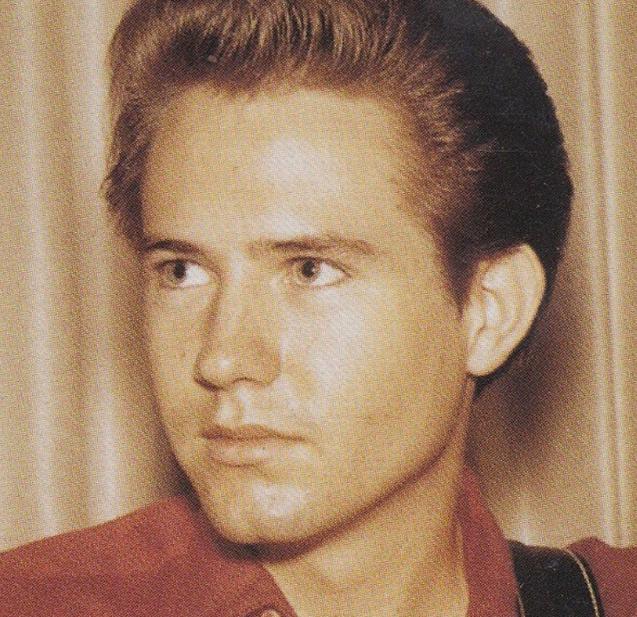
Bobby Fuller’s Spotify BioWith his blatant reverence for Buddy Holly, fellow Texan Bobby Fuller was a bit of an anomaly in the mid-'60s. Wielding a Stratocaster guitar and a brash, full sound, at his best Fuller sounded like Holly might have, had he survived into the '60s. Cracking the Top 30 in 1966 with a cover of Holly's "Love's Made a Fool of You" and the Top Ten with "I Fought the Law" (written by one-time Cricket Sonny Curtis), Fuller had just become a star when he died in mysterious circumstances in a parked car in Hollywood (the police thought it was a suicide, but just about everyone who knew him disagreed).
Fuller's relatively short period of national stardom actually crowned a good five years or so of recording, during which he released many outstanding tracks. After a few local singles in his hometown of El Paso in the early '60s, he moved to California with his combo in 1964 and briefly had aspirations of playing surf music before hooking up with producer Bob Keene. In the short time he recorded for… Mustang in 1965 and 1966, he waxed quite a few tracks (most self-penned) in addition to his hits, including "Let Her Dance," "Another Sad and Lonely Night," "My True Love," "Never to Be Forgotten," "Fool of Love," and "The Magic Touch." Rocking, tuneful, and infectiously joyous, they showed Fuller to be a worthy inheritor of early rock & roll and rockabilly traditions without sounding self-consciously revivalist. While it's hard to imagine Fuller maintaining his success in the era of psychedelia, he no doubt would have gone on to produce interesting work. A talented and prolific songwriter and a studio whiz who drew from Eddie Cochran and (though only slightly) the full guitar sound of the British Invasion as well as Buddy Holly, he recorded a great deal of unreleased studio and live material that was issued in the '80s, when the depth of his loss began to be appreciated. ~ Richie Unterberger, Rovi
Viberate is a music analytics platform built for A&Rs, artist managers, labels, booking agents, marketers, and artists.
It helps music professionals track artist growth, analyze audience data, monitor playlist activity, compare artists, follow song performance, and identify opportunities across the music market.
Public artist pages provide a free preview of selected artist data. Paid plans provide access to deeper analytics, historical data, charts, comparisons, playlist tools, exports, alerts, reports, and additional professional features.
Yes. Public Viberate artist pages provide selected artist analytics and music data for free.
Viberate also offers a 7-day free trial of the full platform. A credit card is required to start the trial. The trial includes access to the complete product so users can test deeper artist analytics, historical views, playlist insights, comparisons, charts, exports, alerts, and reporting features before choosing a paid plan.
Viberate provides artist analytics across streaming, playlists, social media, video, radio airplay, songs, and audience markets.
Users can analyze Spotify performance, Spotify and Apple Music playlists, YouTube activity, TikTok and Instagram growth, radio spins, song performance, audience locations, demographics, rankings, and overall artist momentum.
Artist profiles also connect to music charts, similar artists, and comparison tools, helping users benchmark performance and evaluate artists in context.
Viberate updates key artist and track data daily.
For followed artists and tracks, selected data is refreshed multiple times per day. This helps teams monitor playlist changes, streaming movement, audience growth, releases, and campaign performance with more current data.
Update frequency can vary depending on the metric and data source.
Yes. Viberate lets users compare up to five artists side by side across streaming, social media, audience, and engagement metrics.
Users can compare fanbase growth, audience demographics, locations, Spotify performance, social metrics, and other artist data over selected time periods.
Artist comparison can be used for A&R scouting, benchmarking, booking decisions, campaign planning, and evaluating artists with similar audiences or market positions.