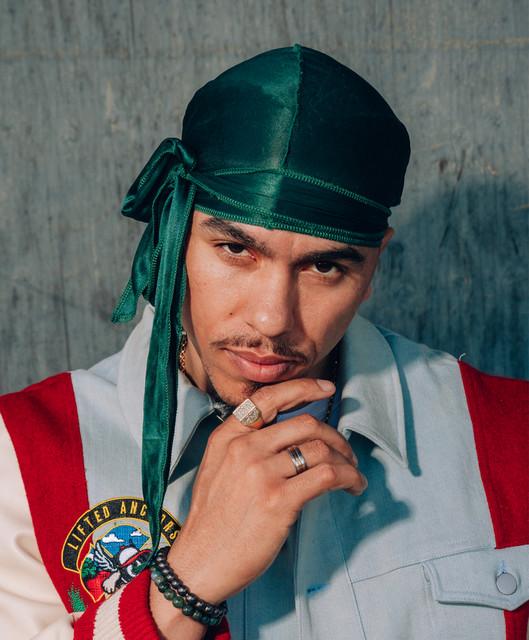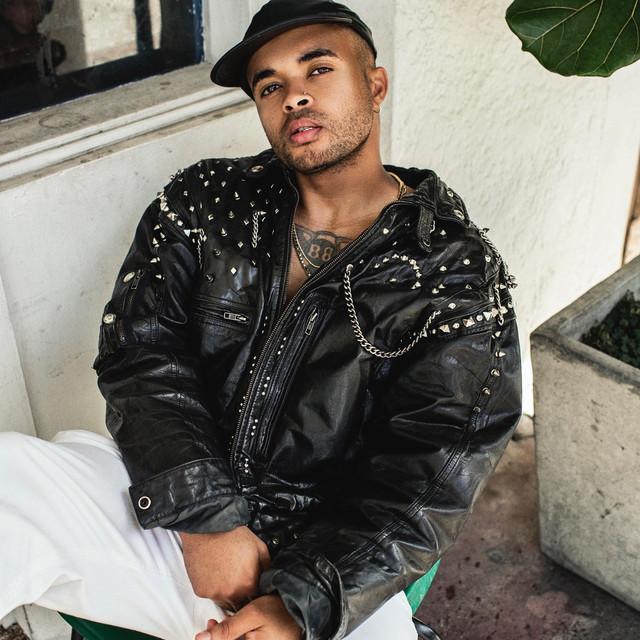
Bobby Brackins

Hip Hop
Alternative Hip Hop
 Viberate Rank: 56028
 Viberate Rank: 56028
 Monthly ListenersFollowers
 Subscribers
 Followers
 Followers
 FansTop Spotify Songs
| Track | 7-Day Streams | |
|---|---|---|
1 | 43.86K | |
2 | 18.97K | |
3 | 10.99K | |
4 | 10.81K | |
5 | 4.63K |
Top YouTube VideosMonthly ListenersFeatured in Playlists| Playlist | Followers | |
|---|---|---|
1 |  Nunca Es Suficiente - Los Ángeles Azules, Natalia Lafourcade / Y tú te vas, jugando a enamorar Sobrefilo Music | 198.34K |
2 | RnB 2000s Christian Perry | 178.65K |
3 |  Songs That Get Drunk White Girls Excited Sean Branton | 159.99K |
4 | R&B/THROWBACK Paula | 114.29K |
5 | Inxane | 112.61K |
Audience| City | Monthly Listeners | |
|---|---|---|
1 | | 2.20K |
2 |  | 1.96K |
3 | | 1.60K |
4 | | 1.36K |
5 | | 1.18K |
See full performance history, audience data, playlist activity, rankings, comparisons, and more in Viberate music analytics. Start with a free trial, then continue with a paid plan.
Bobby Brackins’ Spotify BioAfter writing hits for others, rapper, songwriter, and producer Bobby Brackins broke out on his own as a solo artist. Born and raised in Oakland, California, Bobby began writing for other artists after a move to Los Angeles. His solo career was still a concern, as mixtapes like 2011's The Young and Hungover with YG appeared, but being behind the scenes kept him busy, especially in 2014. That year, he received a BMI Award for co-writing Chris Brown's "Loyal" and co-wrote Billboard's number one R&B song of the year, Tinashe's "2 On." By the end of 2014 he returned to his solo career with the single "Hot Box" featuring G-Eazy, while 2015 saw him join with Jeremih and Zendaya for the single "My Jam." ~ David Jeffries
Viberate is a music analytics platform built for A&Rs, artist managers, labels, booking agents, marketers, and artists.
It helps music professionals track artist growth, analyze audience data, monitor playlist activity, compare artists, follow song performance, and identify opportunities across the music market.
Public artist pages provide a free preview of selected artist data. Paid plans provide access to deeper analytics, historical data, charts, comparisons, playlist tools, exports, alerts, reports, and additional professional features.
Yes. Public Viberate artist pages provide selected artist analytics and music data for free.
Viberate also offers a 7-day free trial of the full platform. A credit card is required to start the trial. The trial includes access to the complete product so users can test deeper artist analytics, historical views, playlist insights, comparisons, charts, exports, alerts, and reporting features before choosing a paid plan.
Viberate provides artist analytics across streaming, playlists, social media, video, radio airplay, songs, and audience markets.
Users can analyze Spotify performance, Spotify and Apple Music playlists, YouTube activity, TikTok and Instagram growth, radio spins, song performance, audience locations, demographics, rankings, and overall artist momentum.
Artist profiles also connect to music charts, similar artists, and comparison tools, helping users benchmark performance and evaluate artists in context.
Viberate updates key artist and track data daily.
For followed artists and tracks, selected data is refreshed multiple times per day. This helps teams monitor playlist changes, streaming movement, audience growth, releases, and campaign performance with more current data.
Update frequency can vary depending on the metric and data source.
Yes. Viberate lets users compare up to five artists side by side across streaming, social media, audience, and engagement metrics.
Users can compare fanbase growth, audience demographics, locations, Spotify performance, social metrics, and other artist data over selected time periods.
Artist comparison can be used for A&R scouting, benchmarking, booking decisions, campaign planning, and evaluating artists with similar audiences or market positions.