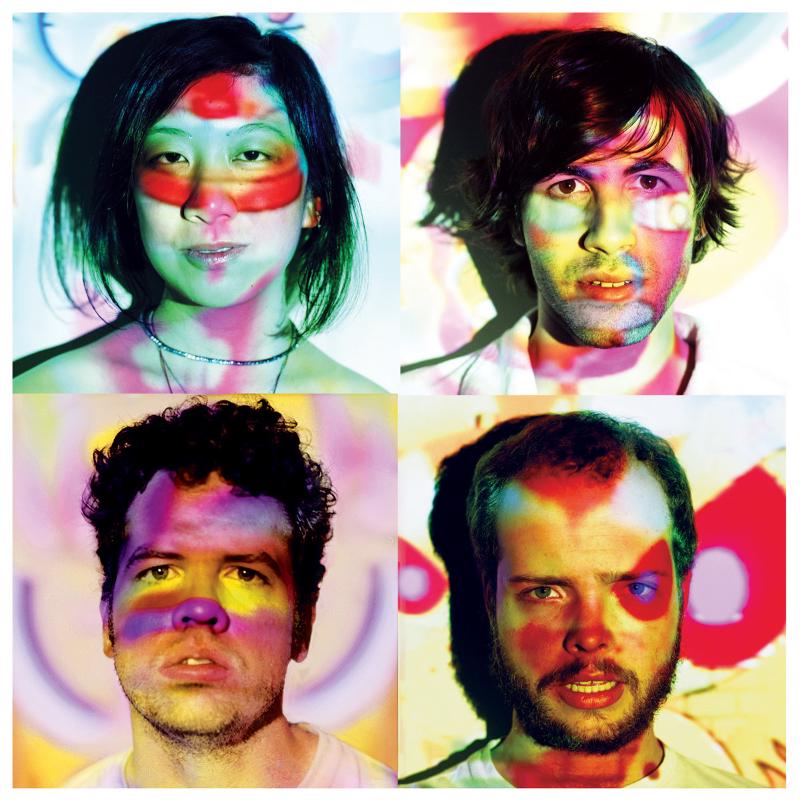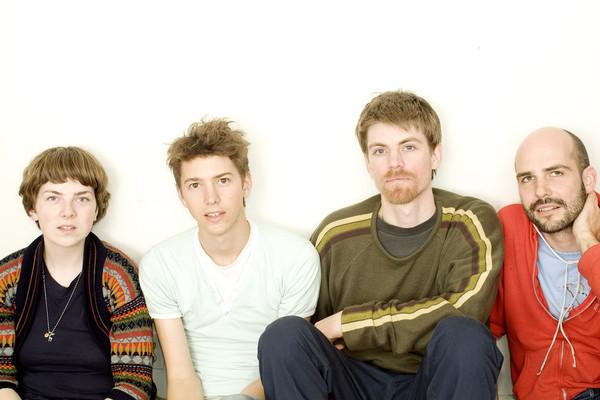
Bobby Birdman

Pop
Indie Pop
 Viberate Rank: 634205
 Viberate Rank: 634205
 Monthly ListenersFollowers
 Subscribers
 Followers
 Followers
 FansTop Spotify Songs
| Track | 7-Day Streams | |
|---|---|---|
1 | 26 | |
2 | 21 | |
3 | 15 | |
4 | 14 | |
5 | 12 |
Top YouTube VideosMonthly ListenersFeatured in Playlists| Playlist | Followers | |
|---|---|---|
1 |  Fubiz Playlist 🔥 Fubiz | 4.15K |
2 |  Sub Pop: Best of the Pacific Northwest Sub Pop | 1.40K |
Audience| City | Monthly Listeners | |
|---|---|---|
1 | | 13 |
2 | | 11 |
3 | | 9 |
4 | | 7 |
5 |  | 5 |
See full performance history, audience data, playlist activity, rankings, comparisons, and more in Viberate music analytics. Start with a free trial, then continue with a paid plan.
Bobby Birdman’s Spotify BioAn experimental indie folkie who later added electronic pop to his repertoire, Bobby Birdman is the alter ego of singer/songwriter/multi-instrumentalist Rob Kieswetter. Originally from the Portland, OR area, Kieswetter began playing in the late ’90s with his first band Badical Turbo Radness, who released their first and only album To the Rescue in 1997. By the following year, the group had broken up and Kieswetter adopted the Bobby Birdman moniker, which was given to him by Little Wings' Kyle Field. Kieswetter’s early Bobby Birdman work was intimate and largely acoustic, as on his 2001 Hush Records debut, Let Me In; in 2002, Exhausted (The Cost Of), a collection of a cappella songs that he recorded while riding his bicycle through Portland, pared his music down even further. However, his second proper album, 2003’s Born Free Forever. had a much more lavish sound, incorporating electronic touches and choral passages along with more expected indie rock sounds. That year, Birdman moved to… Los Angeles and took his music in an even more electronic direction on the States Rights-released synth pop homage Heart Caves EP, and 2005’s limited-edition Giraffes & Jackals EP, which also featured YACHT’s Jonah Bechtolt. He became involved in L.A.’s art, music and fashion scenes, appearing on YACHT’s I Believe In You, Your Magic Is Real and modeling for Band of Outsiders' 2008 fall fashion line. During that time, he remixed Young MC’s “Fastest Rhyme” for a collection celebrating Delicious Vinyl's 20th anniversary and worked on his third album, New Moods, which arrived in fall 2009. ~ Heather Phares, Rovi
Viberate is a music analytics platform built for A&Rs, artist managers, labels, booking agents, marketers, and artists.
It helps music professionals track artist growth, analyze audience data, monitor playlist activity, compare artists, follow song performance, and identify opportunities across the music market.
Public artist pages provide a free preview of selected artist data. Paid plans provide access to deeper analytics, historical data, charts, comparisons, playlist tools, exports, alerts, reports, and additional professional features.
Yes. Public Viberate artist pages provide selected artist analytics and music data for free.
Viberate also offers a 7-day free trial of the full platform. A credit card is required to start the trial. The trial includes access to the complete product so users can test deeper artist analytics, historical views, playlist insights, comparisons, charts, exports, alerts, and reporting features before choosing a paid plan.
Viberate provides artist analytics across streaming, playlists, social media, video, radio airplay, songs, and audience markets.
Users can analyze Spotify performance, Spotify and Apple Music playlists, YouTube activity, TikTok and Instagram growth, radio spins, song performance, audience locations, demographics, rankings, and overall artist momentum.
Artist profiles also connect to music charts, similar artists, and comparison tools, helping users benchmark performance and evaluate artists in context.
Viberate updates key artist and track data daily.
For followed artists and tracks, selected data is refreshed multiple times per day. This helps teams monitor playlist changes, streaming movement, audience growth, releases, and campaign performance with more current data.
Update frequency can vary depending on the metric and data source.
Yes. Viberate lets users compare up to five artists side by side across streaming, social media, audience, and engagement metrics.
Users can compare fanbase growth, audience demographics, locations, Spotify performance, social metrics, and other artist data over selected time periods.
Artist comparison can be used for A&R scouting, benchmarking, booking decisions, campaign planning, and evaluating artists with similar audiences or market positions.