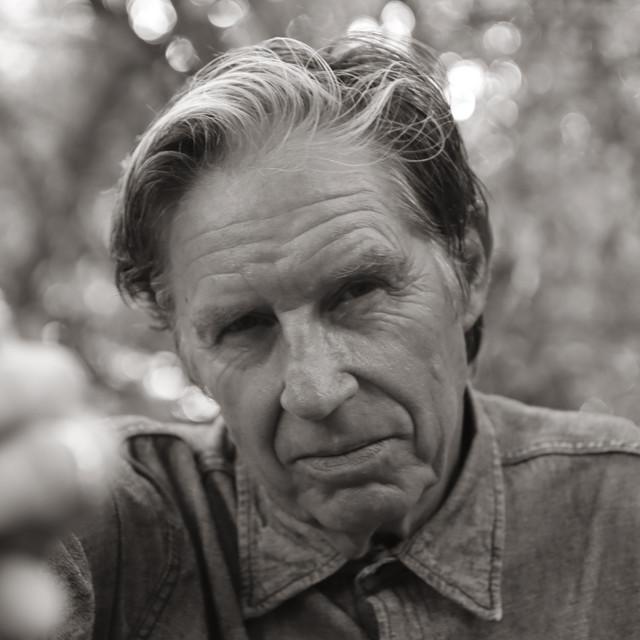
Bobby Bare Jr.

Country
Americana/Alt Country
Folk Rock
 Viberate Rank: 213186
 Viberate Rank: 213186
 Monthly ListenersFollowers
 Subscribers
 Followers
 Followers
 FansTop Spotify Songs
| Track | 7-Day Streams | |
|---|---|---|
1 | 419 | |
2 | 371 | |
3 | 265 | |
4 | 260 | |
5 | 159 |
Top YouTube VideosMonthly ListenersFeatured in Playlists| Playlist | Followers | |
|---|---|---|
1 |  Scrubs - All Songs Leo Otto | 80.97K |
2 | Scrubs (music from the show) Andreas Bagge Baglien | 29.05K |
3 | Scrubs: The Soundtrack djxjd | 12.58K |
4 | Scrubs Soundtrack swasi | 12.06K |
5 |  El Sótano de Radio 3 Groovyfamily | 9.84K |
Audience| City | Monthly Listeners | |
|---|---|---|
1 | | 126 |
2 | | 85 |
3 | | 67 |
4 | | 67 |
5 | | 60 |
See full performance history, audience data, playlist activity, rankings, comparisons, and more in Viberate music analytics. Start with a free trial, then continue with a paid plan.
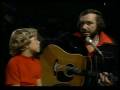
Bobby Bare Jr.’s Spotify BioBobby Bare, Jr. may have begun his career when he was eight years old by the side of his dad, but as a grownup he's carved out a respectable niche with music that falls somewhere between hard rock, roots rock, indie rock, and alt-country. Bobby Bare, Jr. was born on June 28, 1966 in Nashville, Tennessee; his father was the successful country singer Bobby Bare, who'd scored hits with the songs "Detroit City," "500 Miles," and "Streets of Baltimore," among many others. The Bare family lived just outside Nashville in Hendersonville, Tennessee, where their neighbors were George Jones and Tammy Wynette. In 1974, Bare brought his son into the studio to record "Daddy, What If," a Shel Silverstein tune that imagined a conversation between a father and son. The tune became a hit and went on to win a Grammy, and Bare Jr. became a regular presence at his father's concerts, singing the tune with his dad; when he was too old to perform the song, he worked as part of Bare's stage crew and at the… merchandise table.
While Bare Jr. attended the University of Tennessee and received a degree in psychology, by his own admission his goal was to "avoid working a real job at any cost," and he began playing out and writing songs, with Silverstein offering to critique anything he wrote. In the mid-'90s, Bare formed a tough but witty rock band called Bare Jr., and the group scored a deal with Immortal Records, a hard rock label whose big acts were Incubus and Korn; as Bare said, "It was awesome to be offered a deal with (noted roots music label) Lost Highway, but it meant more to have a record-deal offer from somebody that didn't know what my family background was." Bare Jr. cut two albums for Immortal, 1998's Boo-Tay and 2000's Brainwasher, but neither connected commercially and the group split up. In 2002, Bare recorded a more personal and stylistically diverse independent album with a rotating cast of musicians; the band and the album were called Bobby Bare Jr.'s Young Criminals Starvation League, and the album was Bare's first for pioneering alt-country imprint Bloodshot Records.
The Young Criminals' Starvation League became Bare's new ongoing project, releasing the OK - I'm Sorry... EP in 2003 and the albums From the End of Your Leash and The Longest Meow in 2004 and 2006, respectively. In the 2009 EP American Bread, Bare and his friends attacked a handful of songs by two once-fashionable bands, America and Bread. In 2010, he released his first album simply as Bobby Bare, Jr., a song cycle titled A Storm, a Tree, My Mother's Head, which was inspired by a variety of personal crises and featured backing from members of My Morning Jacket. The Shel Silverstein tribute album Twistable, Turnable Man, which was produced in part by Bare, also arrived in 2010. In 2012, Bare contributed vocals to an album by his father, Darker Than Light, and in 2014 he returned with another Young Criminals' Starvation League effort, Undefeated; it was preceded by a 7" vinyl EP from Fat Possum Records, Shame on Me. ~ Mark Deming, Rovi
Viberate is a music analytics platform built for A&Rs, artist managers, labels, booking agents, marketers, and artists.
It helps music professionals track artist growth, analyze audience data, monitor playlist activity, compare artists, follow song performance, and identify opportunities across the music market.
Public artist pages provide a free preview of selected artist data. Paid plans provide access to deeper analytics, historical data, charts, comparisons, playlist tools, exports, alerts, reports, and additional professional features.
Yes. Public Viberate artist pages provide selected artist analytics and music data for free.
Viberate also offers a 7-day free trial of the full platform. A credit card is required to start the trial. The trial includes access to the complete product so users can test deeper artist analytics, historical views, playlist insights, comparisons, charts, exports, alerts, and reporting features before choosing a paid plan.
Viberate provides artist analytics across streaming, playlists, social media, video, radio airplay, songs, and audience markets.
Users can analyze Spotify performance, Spotify and Apple Music playlists, YouTube activity, TikTok and Instagram growth, radio spins, song performance, audience locations, demographics, rankings, and overall artist momentum.
Artist profiles also connect to music charts, similar artists, and comparison tools, helping users benchmark performance and evaluate artists in context.
Viberate updates key artist and track data daily.
For followed artists and tracks, selected data is refreshed multiple times per day. This helps teams monitor playlist changes, streaming movement, audience growth, releases, and campaign performance with more current data.
Update frequency can vary depending on the metric and data source.
Yes. Viberate lets users compare up to five artists side by side across streaming, social media, audience, and engagement metrics.
Users can compare fanbase growth, audience demographics, locations, Spotify performance, social metrics, and other artist data over selected time periods.
Artist comparison can be used for A&R scouting, benchmarking, booking decisions, campaign planning, and evaluating artists with similar audiences or market positions.