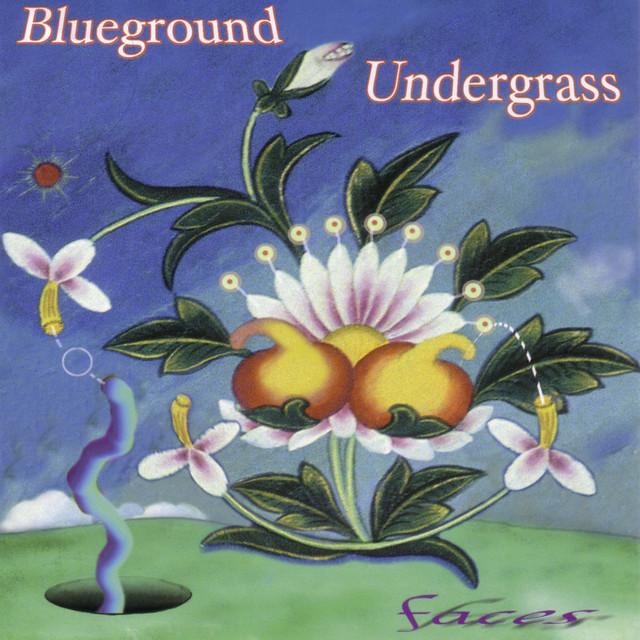
Blueground Undergrass

Country
Bluegrass
Newgrass
 Viberate Rank: 636727
 Viberate Rank: 636727
 Monthly ListenersFollowers
 Subscribers
 Followers
 Followers
 FansTop Spotify Songs
| Track | 7-Day Streams | |
|---|---|---|
1 | 59 | |
2 | 23 | |
3 | 8 | |
4 | 7 | |
5 | 4 |
Top YouTube VideosMonthly ListenersFeatured in Playlists| Playlist | Followers | |
|---|---|---|
1 |  Clegg's Choice Nuggs John Taylor | 3.69K |
2 |  Folk & Bluegrass Grateful Dead Covers JamBase | 2.30K |
3 | Grateful Dead Bluegrass Covers Dylan Lynch | 1.16K |
Audience| City | Monthly Listeners | |
|---|---|---|
1 | | 9 |
2 | | 7 |
3 | | 6 |
4 | | 5 |
5 | | 4 |
See full performance history, audience data, playlist activity, rankings, comparisons, and more in Viberate music analytics. Start with a free trial, then continue with a paid plan.
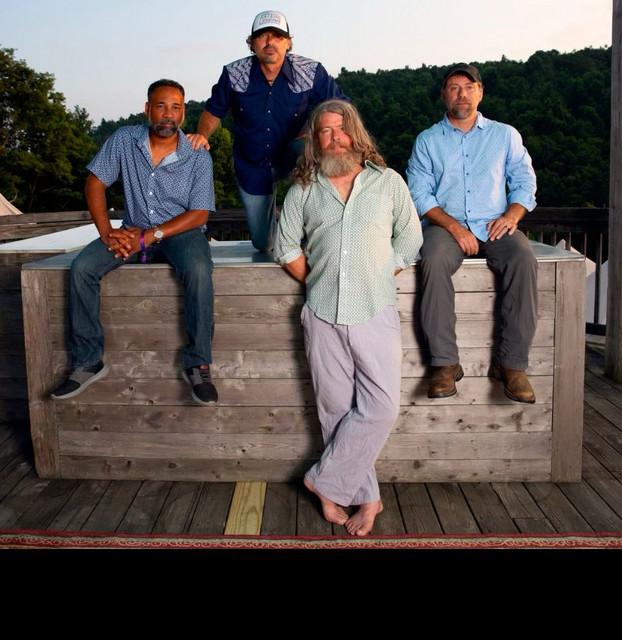
Blueground Undergrass’ Spotify BioAnother band on the long list profoundly influenced by the work of Col. Bruce Hampton, Blueground Undergrass released two albums of progressive jam band bluegrass in the late '90s, fronted by their founder and banjo player Rev. Jeff Mosier.
The principle antecedent to Blueground Undergrass was the long-running combo Good Medicine, which featured Mosier along with future Undergrass members Edward Hunter (fiddle) and Mosiers brother Johnny (guitar). The band, which existed for over 20 years, played a typically wide variety of gigs in and around their native Georgia.
Simultaneously, for many years, the Mosier brothers hosted an influential Americana-tinged radio show, where both came into contact with many of the luminaries of the bluegrass circuit. In the late '80s, through folksinger Elise Witt, Mosier met Col. Bruce Hampton. Soon, Mosier was playing with Hampton in an early version of the Aquarium Rescue Unit. Though his stint with the group was relatively brief, it provided a model of… an eclectic, electric bluegrass band.
After an on-tour residency with Phish in 1994 and guest appearances with southern jam-rockers Widespread Panic, Mosier decided to focus his musical vision. Though he had been leading myriad local groups, he pulled together Blueground Undergrass as his new primary outlet. Calling on friends and picking partners from the local music scene, Blueground Undergrass began to accumulate gigs.
With the addition of drummer Michael Grando, the band achieved a progressive bluegrass sound in the spirit of pioneers Newgrass Revival, soon releasing Barnyard Gone Wrong in 1998. The feel was upbeat and funky. With the addition of a rock rhythm section (completed by electric bassist Mark Bynum), the group could allow Mosier's Earl Scruggs-derived clawhammer picking to build momentum for the band while being afforded the opportunity to lay back on top of a steady beat and introduce other influences.
Following the recording of Live at the Variety Playhouse 7.10.99 for the Phoenix Presents label, Bynum left the band, replaced by Joseph Patrick Moore, a solid bassist who had done tons of session work as well as recording two instrumental discs of his own. The band continued to tour the jam band circuit. ~ Jesse Jarnow, Rovi
Viberate is a music analytics platform built for A&Rs, artist managers, labels, booking agents, marketers, and artists.
It helps music professionals track artist growth, analyze audience data, monitor playlist activity, compare artists, follow song performance, and identify opportunities across the music market.
Public artist pages provide a free preview of selected artist data. Paid plans provide access to deeper analytics, historical data, charts, comparisons, playlist tools, exports, alerts, reports, and additional professional features.
Yes. Public Viberate artist pages provide selected artist analytics and music data for free.
Viberate also offers a 7-day free trial of the full platform. A credit card is required to start the trial. The trial includes access to the complete product so users can test deeper artist analytics, historical views, playlist insights, comparisons, charts, exports, alerts, and reporting features before choosing a paid plan.
Viberate provides artist analytics across streaming, playlists, social media, video, radio airplay, songs, and audience markets.
Users can analyze Spotify performance, Spotify and Apple Music playlists, YouTube activity, TikTok and Instagram growth, radio spins, song performance, audience locations, demographics, rankings, and overall artist momentum.
Artist profiles also connect to music charts, similar artists, and comparison tools, helping users benchmark performance and evaluate artists in context.
Viberate updates key artist and track data daily.
For followed artists and tracks, selected data is refreshed multiple times per day. This helps teams monitor playlist changes, streaming movement, audience growth, releases, and campaign performance with more current data.
Update frequency can vary depending on the metric and data source.
Yes. Viberate lets users compare up to five artists side by side across streaming, social media, audience, and engagement metrics.
Users can compare fanbase growth, audience demographics, locations, Spotify performance, social metrics, and other artist data over selected time periods.
Artist comparison can be used for A&R scouting, benchmarking, booking decisions, campaign planning, and evaluating artists with similar audiences or market positions.