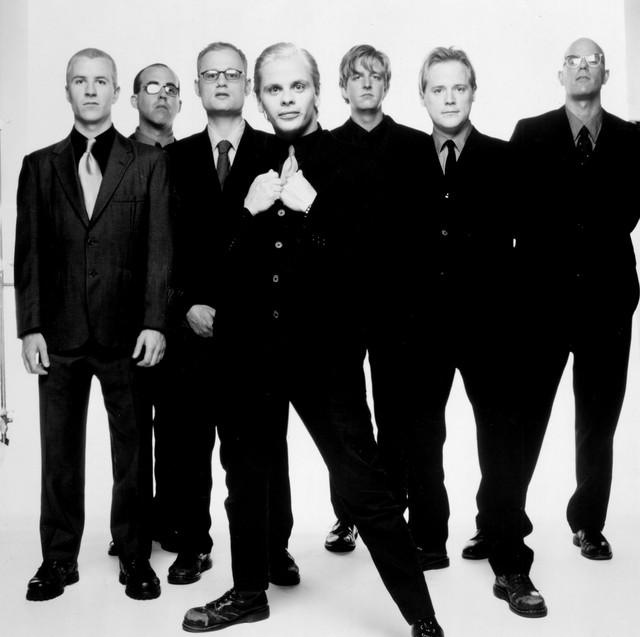
Blue Meanies

Punk
Punk Rock
Ska Punk
Funk
 Viberate Rank: 345397
 Viberate Rank: 345397
 Monthly ListenersFollowers
 Subscribers
 Followers
 Followers
 FansTop Spotify Songs
| Track | 7-Day Streams | |
|---|---|---|
1 | 1.70K | |
2 | 256 | |
3 | 158 | |
4 | 141 | |
5 | 133 |
Top YouTube VideosMonthly ListenersFeatured in Playlists| Playlist | Followers | |
|---|---|---|
1 |  Best of SKA PUNK SKA PUNK DAILY | 34.83K |
2 | Skatune Network’s Playlist Skatune Network | 7.70K |
3 | Skatune Network: Inspirations Skatune Network | 5.54K |
4 |  Pick It Up! - Ska in the 90s Pick It Up! - Ska in the 90s | 2.29K |
5 |  180 SKA!!! Jeff Rosenstock | 2.19K |
Audience| City | Monthly Listeners | |
|---|---|---|
1 | | 204 |
2 | | 87 |
3 |  | 68 |
4 | | 60 |
5 |  | 54 |
See full performance history, audience data, playlist activity, rankings, comparisons, and more in Viberate music analytics. Start with a free trial, then continue with a paid plan.
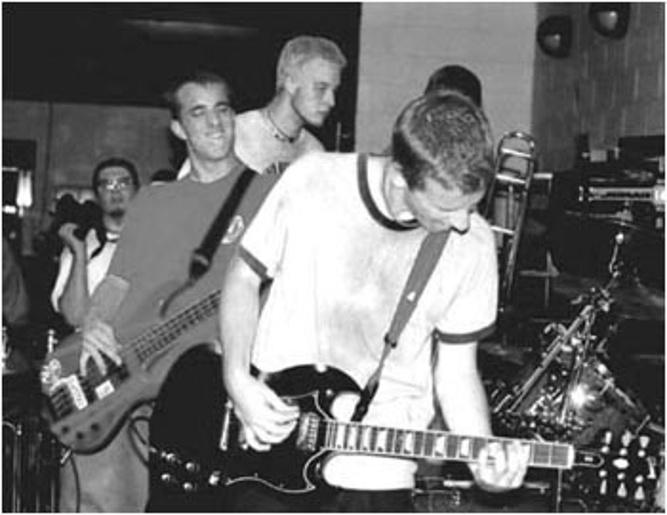
Blue Meanies’ Spotify BioChicago's the Blue Meanies have continued their wacky style of hyper, obnoxious ska-punk that additionally fused with jazz and funk influences since forming in 1989. Debuting in 1991 with "Grandma Shampoo"/"Dickory Dock," this single would be the start of their lengthy discography and revolving lineup. Although their personnel was continually changing, the Meanies' sound would remain as they released the albums Pave the World (1992), Kiss Your Ass Goodbye (1995), Full Throttle (1997), and the live Sonic Documentation of Exhibition and Banter (1998). By the time they signed with MCA Records, the lineup of John Paul Camp III (saxophone/vocals), Sean Dolan (guitar), Jimmy Flame (trumpet/vocals), Chaz Linde (keyboard/vocal), Dave Lund (bass/vocals), Billy Spunke (vocals/megaphone), and Bob Trondson (drums) stuck together as a total of 22 musicians passed through the band since their formation. Their fifth album, The Post Wave, resulted in late 2000; the band also issued a split single with… Alkaline Trio that year on Thick. After some touring in supporting of the album, the band started to burn out, and its members slowly went off to pursue other interests. The Meanies got back together briefly in 2004 for two sold-out hometown shows at the Metro and Double Door and again in 2006 for Chicago's Riot Fest. ~ Mike DaRonco, Rovi
Viberate is a music analytics platform built for A&Rs, artist managers, labels, booking agents, marketers, and artists.
It helps music professionals track artist growth, analyze audience data, monitor playlist activity, compare artists, follow song performance, and identify opportunities across the music market.
Public artist pages provide a free preview of selected artist data. Paid plans provide access to deeper analytics, historical data, charts, comparisons, playlist tools, exports, alerts, reports, and additional professional features.
Yes. Public Viberate artist pages provide selected artist analytics and music data for free.
Viberate also offers a 7-day free trial of the full platform. A credit card is required to start the trial. The trial includes access to the complete product so users can test deeper artist analytics, historical views, playlist insights, comparisons, charts, exports, alerts, and reporting features before choosing a paid plan.
Viberate provides artist analytics across streaming, playlists, social media, video, radio airplay, songs, and audience markets.
Users can analyze Spotify performance, Spotify and Apple Music playlists, YouTube activity, TikTok and Instagram growth, radio spins, song performance, audience locations, demographics, rankings, and overall artist momentum.
Artist profiles also connect to music charts, similar artists, and comparison tools, helping users benchmark performance and evaluate artists in context.
Viberate updates key artist and track data daily.
For followed artists and tracks, selected data is refreshed multiple times per day. This helps teams monitor playlist changes, streaming movement, audience growth, releases, and campaign performance with more current data.
Update frequency can vary depending on the metric and data source.
Yes. Viberate lets users compare up to five artists side by side across streaming, social media, audience, and engagement metrics.
Users can compare fanbase growth, audience demographics, locations, Spotify performance, social metrics, and other artist data over selected time periods.
Artist comparison can be used for A&R scouting, benchmarking, booking decisions, campaign planning, and evaluating artists with similar audiences or market positions.