Blu DeTiger

Pop
Indie Pop
 Viberate Rank: 16400
 Viberate Rank: 16400
 Monthly ListenersFollowers
 Subscribers
 Followers
 Followers
 FansTop Spotify Songs
| Track | 7-Day Streams | |
|---|---|---|
1 | 90.21K | |
2 | 44.73K | |
3 | 30.13K | |
4 | 28.84K | |
5 | 22.31K |
Top YouTube VideosMonthly ListenersFeatured in Playlists| Playlist | Followers | |
|---|---|---|
1 |  Good Vibes Spotify | 3.62M |
2 |  Chill Vibes Spotify | 2.38M |
3 |  You & Me Spotify | 1.14M |
4 |  metropolis Spotify | 865.54K |
5 |  Poolside Disco Spotify | 790.68K |
Audience| City | Monthly Listeners | |
|---|---|---|
1 | | 10.34K |
2 | | 10.03K |
3 | | 8.53K |
4 |  | 7.76K |
5 |  | 7.46K |
See full performance history, audience data, playlist activity, rankings, comparisons, and more in Viberate music analytics. Start with a free trial, then continue with a paid plan.
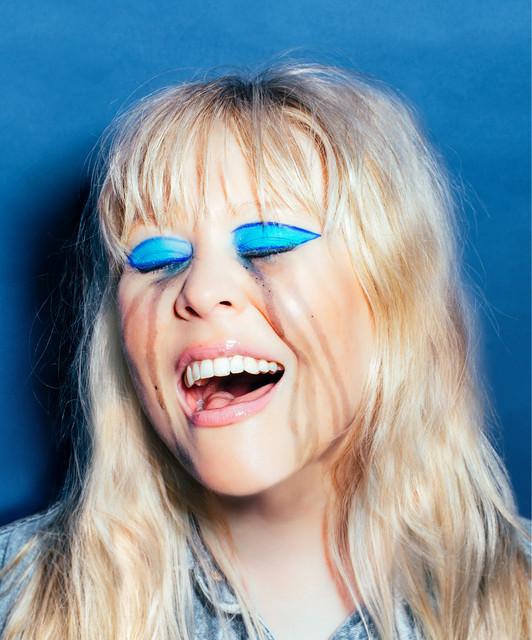
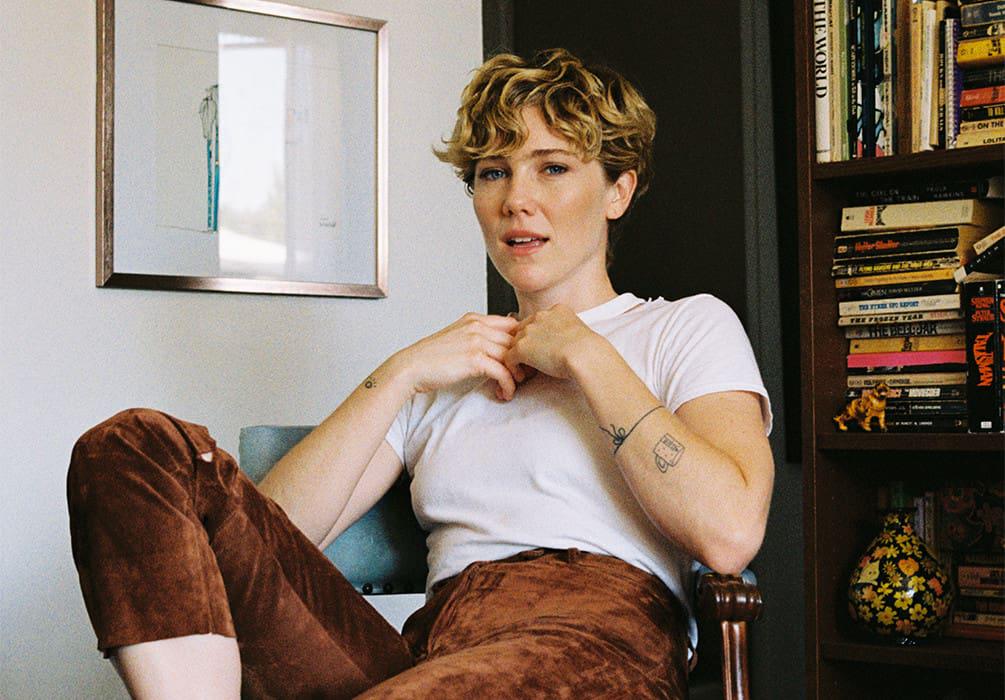
Blu DeTiger’s Spotify BioBlu DeTiger is proof that bassists are the main character. The New York City born-and-raised artist picked up the bass guitar at age seven and soon after played her first gig at the legendary punk venue CBGB. Fueled by the hustle mentality of her environment, she was a fixture in the Lower Manhattan music scene by age 17, playing in various bands and DJing clubs while adding her live bass to her crowd-moving sets. The energy of this fast-paced nightlife world manifests through her pulsating bass lines that serve as the emotional anchor of her eclectic songs melding art pop, electroclash, funk, disco, and alternative rock. With the arrival of her debut album All I Ever Want Is Everything, Blu is claiming her spotlight as a rising pop icon who’s not afraid to feel it all. She built her profile opening for artists like Sabrina Carpenter and Jungle, her own headline tours in the US and Europe, and becoming one of her generation’s most sought-after bass players, lending her talents to… Bleachers (with whom she appeared on Saturday Night Live), Olivia Rodrigo, Dominic Fike, Caroline Polachek, Chromeo, etc. During the pandemic, her bass cover videos started to gain steam on TikTok, where “Figure It Out” ultimately went viral, and where she now has more than 1.4M followers. In 2023, she was named one of Forbes’ 30 Under 30 for music and on the cover. Now, with her electric-blue bass and effortlessly cool head-banging, Blu is inspiring a new generation of fans to take up the bass.
Viberate is a music analytics platform built for A&Rs, artist managers, labels, booking agents, marketers, and artists.
It helps music professionals track artist growth, analyze audience data, monitor playlist activity, compare artists, follow song performance, and identify opportunities across the music market.
Public artist pages provide a free preview of selected artist data. Paid plans provide access to deeper analytics, historical data, charts, comparisons, playlist tools, exports, alerts, reports, and additional professional features.
Yes. Public Viberate artist pages provide selected artist analytics and music data for free.
Viberate also offers a 7-day free trial of the full platform. A credit card is required to start the trial. The trial includes access to the complete product so users can test deeper artist analytics, historical views, playlist insights, comparisons, charts, exports, alerts, and reporting features before choosing a paid plan.
Viberate provides artist analytics across streaming, playlists, social media, video, radio airplay, songs, and audience markets.
Users can analyze Spotify performance, Spotify and Apple Music playlists, YouTube activity, TikTok and Instagram growth, radio spins, song performance, audience locations, demographics, rankings, and overall artist momentum.
Artist profiles also connect to music charts, similar artists, and comparison tools, helping users benchmark performance and evaluate artists in context.
Viberate updates key artist and track data daily.
For followed artists and tracks, selected data is refreshed multiple times per day. This helps teams monitor playlist changes, streaming movement, audience growth, releases, and campaign performance with more current data.
Update frequency can vary depending on the metric and data source.
Yes. Viberate lets users compare up to five artists side by side across streaming, social media, audience, and engagement metrics.
Users can compare fanbase growth, audience demographics, locations, Spotify performance, social metrics, and other artist data over selected time periods.
Artist comparison can be used for A&R scouting, benchmarking, booking decisions, campaign planning, and evaluating artists with similar audiences or market positions.