Bloody Beach

Pop
Indie Pop
Indie Rock
 Viberate Rank: 519942
 Viberate Rank: 519942
 Monthly ListenersFollowers
 Subscribers
 Followers
 Followers
 FansTop Spotify Songs
| Track | 7-Day Streams | |
|---|---|---|
1 | 26 | |
2 | 22 | |
3 | 8 | |
4 | 6 | |
5 | 5 |
Top YouTube VideosMonthly ListenersFeatured in Playlists| Playlist | Followers | |
|---|---|---|
1 |  SONDRE'S INFINITE PLAYLIST Sondre Lerche | 2.93K |
2 |  BIRP! 2009 - 2019 BIRP! | 2.20K |
3 | Hovefestivalen 2012 Hove | 1.15K |
Audience| City | Monthly Listeners | |
|---|---|---|
1 | | 11 |
2 | | 9 |
3 |  | 8 |
4 | | 5 |
5 |  | 3 |
See full performance history, audience data, playlist activity, rankings, comparisons, and more in Viberate music analytics. Start with a free trial, then continue with a paid plan.
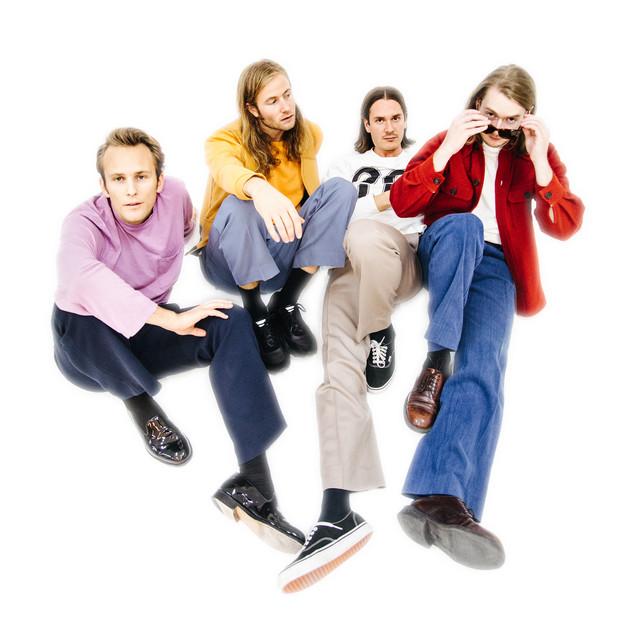
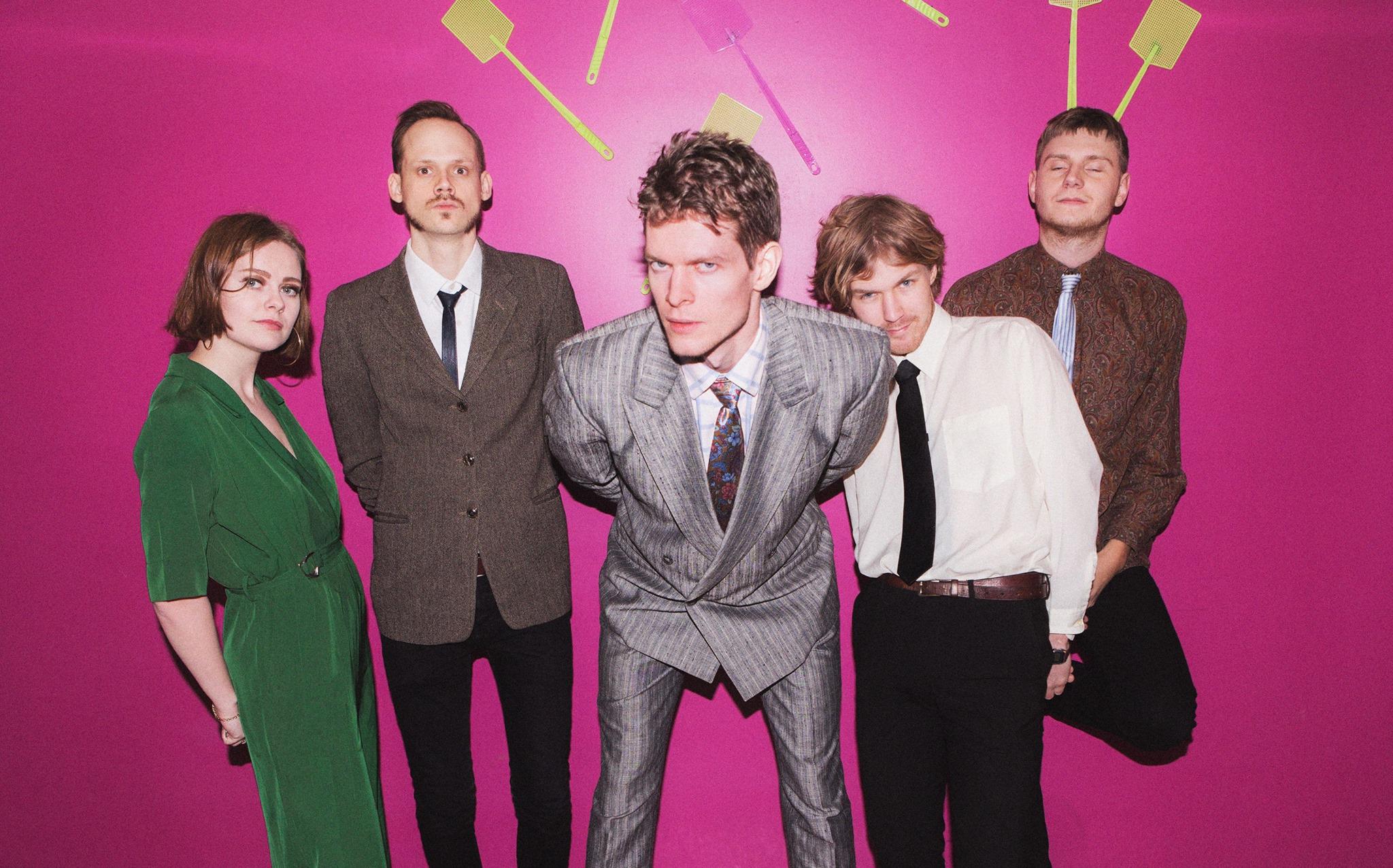
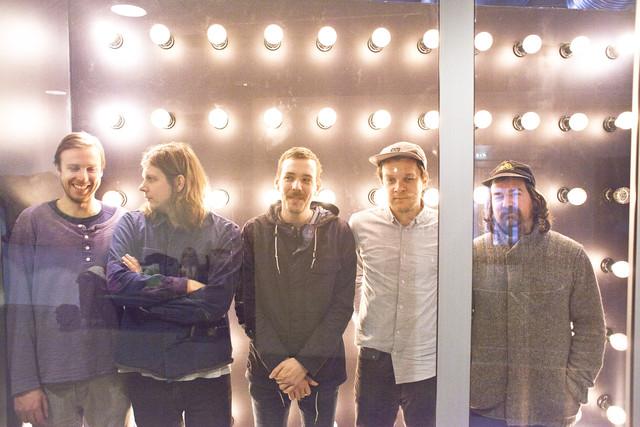
Bloody Beach’s Spotify BioMaking self-described "psych-surf-dub-rock," Bloody Beach are an indie rock group made up of established session/touring musicians and transient bandmembers from the indie scene of Bergen, Norway. The band took root in 2007 when bassist/vocalist Chris Holm (the Alexandria Quartet, Young Dreams) met guitarist Anders Winsents (Lorraine, Blackroom) on a tour bus for different projects. They decided they wanted to work on something together and eventually recruited Arne Håkon Tjelle (Catastrophes) to front the band and Kim Åge Furuhaug (the Alexandria Quartet, Young Dreams) to play drums.
Bloody Beach released their first record, the Bonanza EP, in 2010 as a free download. The title track was highlighted on the NRK music program Lydverket, and the band went on to tour and play music festivals in Europe, leading to an appearance at Texas' South by Southwest in March 2012. Later that year, they added a final piece to their sound, Erlend Alm Lerstad (Mahogni) on synths. The quintet's… full-length debut, Bloody Beach Pirate Radio Presents, arrived on the Bergen-based Nabovarsel label in 2014. Their summery, kaleidoscopic, and difficult-to-Google second album, Boys, followed in August 2017 on Brilliance Records. ~ Marcy Donelson, Rovi
Viberate is a music analytics platform built for A&Rs, artist managers, labels, booking agents, marketers, and artists.
It helps music professionals track artist growth, analyze audience data, monitor playlist activity, compare artists, follow song performance, and identify opportunities across the music market.
Public artist pages provide a free preview of selected artist data. Paid plans provide access to deeper analytics, historical data, charts, comparisons, playlist tools, exports, alerts, reports, and additional professional features.
Yes. Public Viberate artist pages provide selected artist analytics and music data for free.
Viberate also offers a 7-day free trial of the full platform. A credit card is required to start the trial. The trial includes access to the complete product so users can test deeper artist analytics, historical views, playlist insights, comparisons, charts, exports, alerts, and reporting features before choosing a paid plan.
Viberate provides artist analytics across streaming, playlists, social media, video, radio airplay, songs, and audience markets.
Users can analyze Spotify performance, Spotify and Apple Music playlists, YouTube activity, TikTok and Instagram growth, radio spins, song performance, audience locations, demographics, rankings, and overall artist momentum.
Artist profiles also connect to music charts, similar artists, and comparison tools, helping users benchmark performance and evaluate artists in context.
Viberate updates key artist and track data daily.
For followed artists and tracks, selected data is refreshed multiple times per day. This helps teams monitor playlist changes, streaming movement, audience growth, releases, and campaign performance with more current data.
Update frequency can vary depending on the metric and data source.
Yes. Viberate lets users compare up to five artists side by side across streaming, social media, audience, and engagement metrics.
Users can compare fanbase growth, audience demographics, locations, Spotify performance, social metrics, and other artist data over selected time periods.
Artist comparison can be used for A&R scouting, benchmarking, booking decisions, campaign planning, and evaluating artists with similar audiences or market positions.