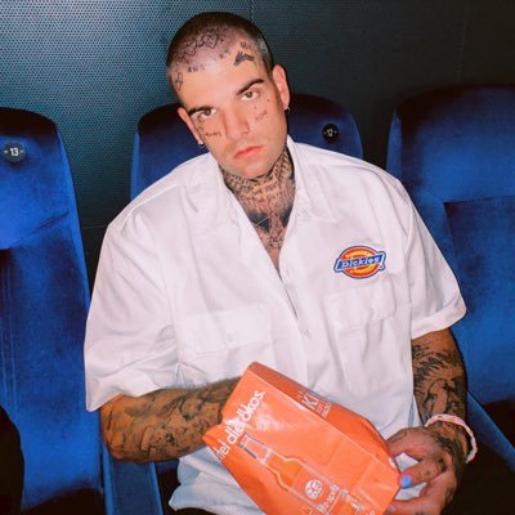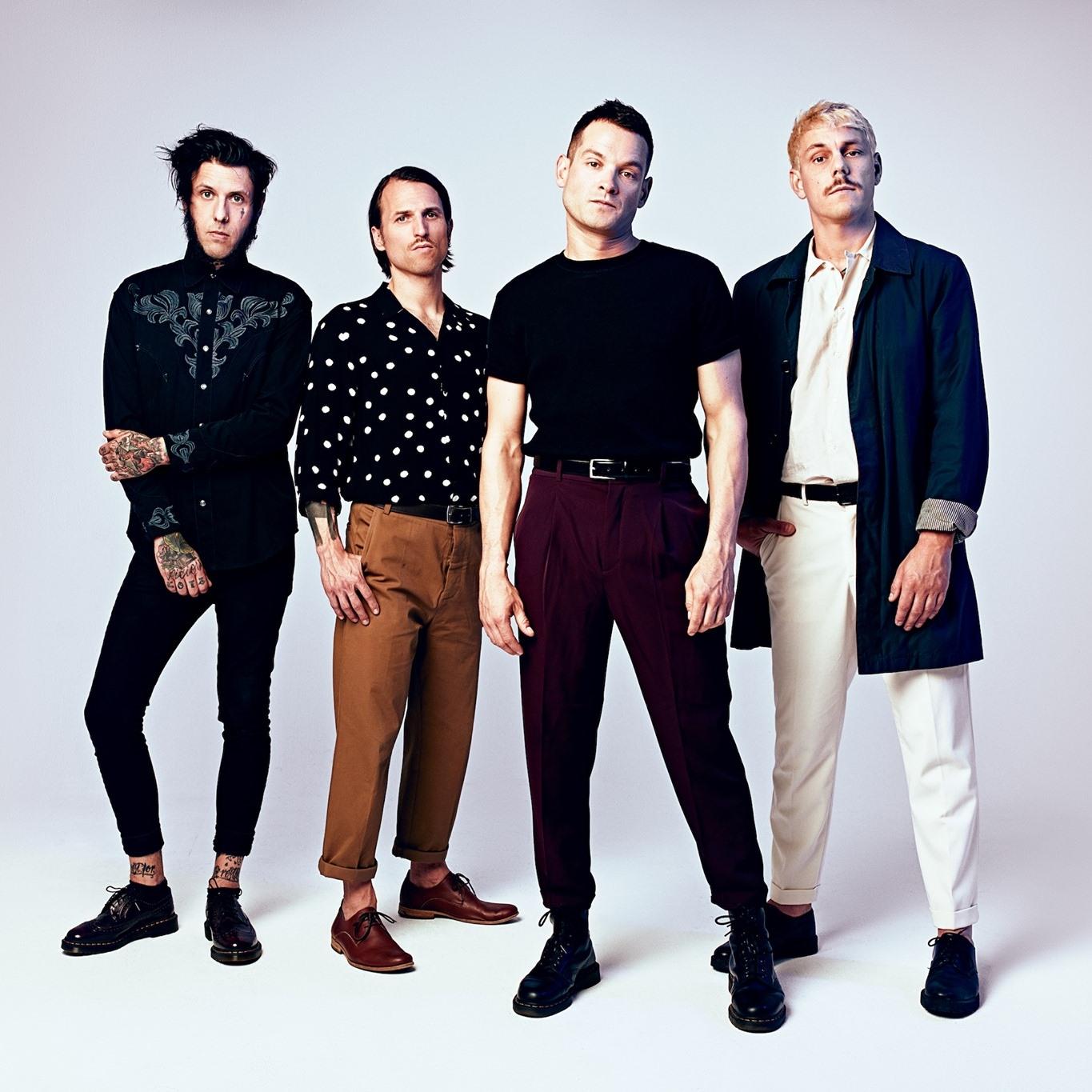
Bloodhype

Rock
Indie Rock
Alternative Rock
 Viberate Rank: 378157
 Viberate Rank: 378157
 Monthly ListenersFollowers
 Subscribers
 Followers
 Followers
 FansTop Spotify Songs
| Track | 7-Day Streams | |
|---|---|---|
1 | 82 | |
2 | 49 | |
3 | 32 | |
4 | 32 | |
5 | 29 |
Top YouTube VideosMonthly ListenersFeatured in Playlists| Playlist | Followers | |
|---|---|---|
1 | Jessica Franks Blemmin | 19.98K |
2 |  SRF 3 De Song vom Tag SRF 3 | 4.55K |
3 |  Radio Guerrilla Daniel Bordea | 2.87K |
4 |  DEICHBRAND 2019 elias.demerath | 2.85K |
5 |  IndieRock 119819262 | 2.08K |
Audience| City | Monthly Listeners | |
|---|---|---|
1 | | 76 |
2 | | 48 |
3 | | 44 |
4 | | 39 |
5 |  | 26 |
See full performance history, audience data, playlist activity, rankings, comparisons, and more in Viberate music analytics. Start with a free trial, then continue with a paid plan.
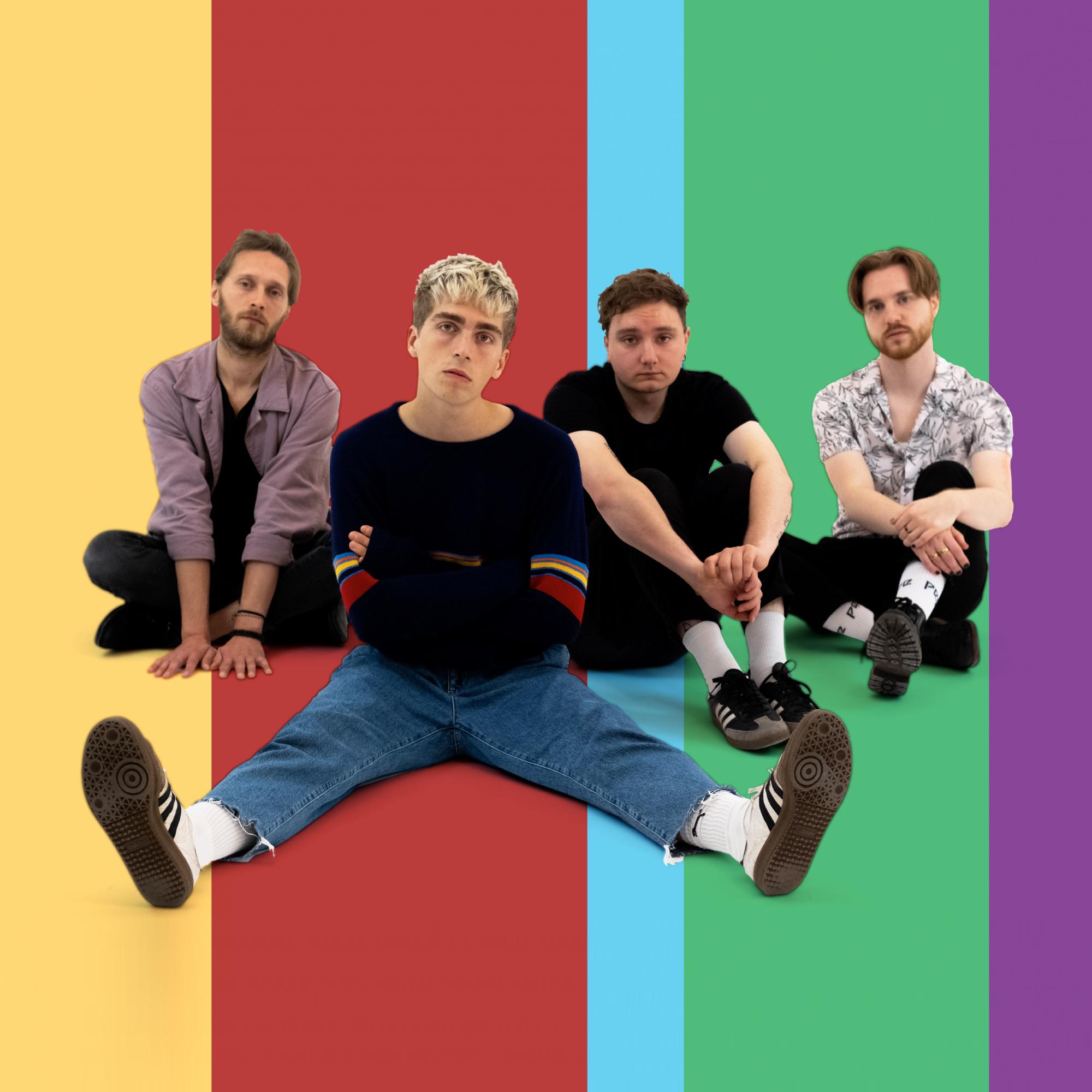
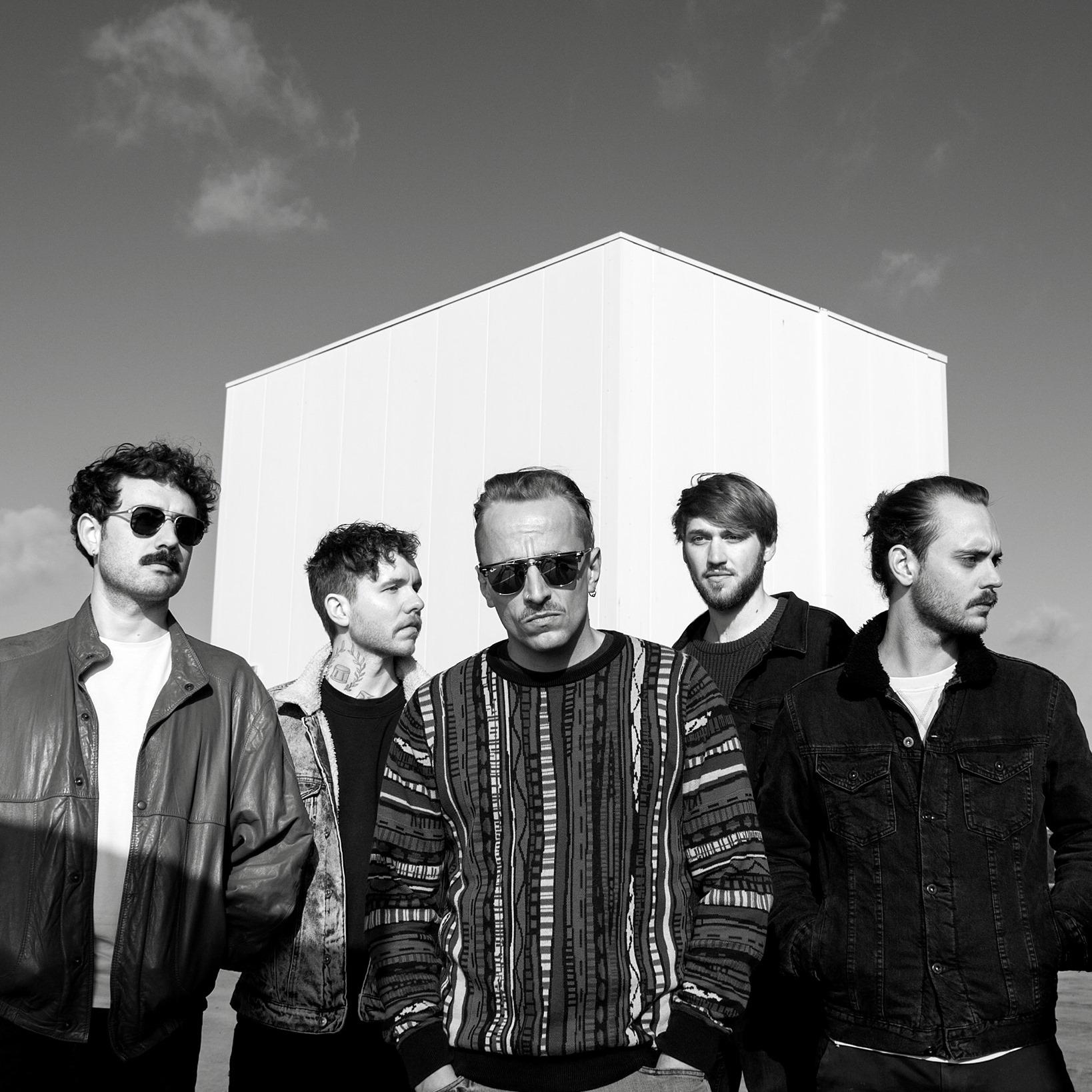
Bloodhype’s Spotify BioBLOODHYPE started as a punk rock project in a flat share in former East Berlin. People and bands came and went, spending a night or a month and leaving their ideas, guitars, shoes, memories in the four rooms in Friedrichshain. When Berlin’s streets were coated with concrete-like ice, friends would come together and hang out and occasionally pick up an instrument.. After a year the same musicians were writing songs together every time and from there, the band found its sound and BLOODHYPE found its core.
As individuals they already work behind the scenes in music and fashion – from developing and releasing platinum-selling artists, to carrying amps on and off the stage, designing clothes in London and Tokyo to touring through the East German Hinterland. Several shows across Europe have coated their handful of tracks in desert dust and left scars of experience for them to develop into more.
It’s as if coming of age in the early 90s left remnants of early video games, Steven Spielberg… movies, New Order, Talk Talk, grunge and Stephen King novels imprinted into their DNA. 90s soaked distorted synthesisers push against grainy guitars, the mix somewhere between a sci-fi soundtrack and Seattle garage rock, unforced yet agitated, heavy and brittle in just the right places, the melodies a strong and solid undercurrent, not so catchy to annoy you after hearing them once or twice. Let BLOODHYPE get under your skin, it’s best place for them to be.
Viberate is a music analytics platform built for A&Rs, artist managers, labels, booking agents, marketers, and artists.
It helps music professionals track artist growth, analyze audience data, monitor playlist activity, compare artists, follow song performance, and identify opportunities across the music market.
Public artist pages provide a free preview of selected artist data. Paid plans provide access to deeper analytics, historical data, charts, comparisons, playlist tools, exports, alerts, reports, and additional professional features.
Yes. Public Viberate artist pages provide selected artist analytics and music data for free.
Viberate also offers a 7-day free trial of the full platform. A credit card is required to start the trial. The trial includes access to the complete product so users can test deeper artist analytics, historical views, playlist insights, comparisons, charts, exports, alerts, and reporting features before choosing a paid plan.
Viberate provides artist analytics across streaming, playlists, social media, video, radio airplay, songs, and audience markets.
Users can analyze Spotify performance, Spotify and Apple Music playlists, YouTube activity, TikTok and Instagram growth, radio spins, song performance, audience locations, demographics, rankings, and overall artist momentum.
Artist profiles also connect to music charts, similar artists, and comparison tools, helping users benchmark performance and evaluate artists in context.
Viberate updates key artist and track data daily.
For followed artists and tracks, selected data is refreshed multiple times per day. This helps teams monitor playlist changes, streaming movement, audience growth, releases, and campaign performance with more current data.
Update frequency can vary depending on the metric and data source.
Yes. Viberate lets users compare up to five artists side by side across streaming, social media, audience, and engagement metrics.
Users can compare fanbase growth, audience demographics, locations, Spotify performance, social metrics, and other artist data over selected time periods.
Artist comparison can be used for A&R scouting, benchmarking, booking decisions, campaign planning, and evaluating artists with similar audiences or market positions.