Blondie Chaplin

Rock
Pop Rock
 Viberate Rank: 466051
 Viberate Rank: 466051
 Monthly ListenersFollowers
 Subscribers
 Followers
 Followers
 FansTop Spotify Songs
| Track | 7-Day Streams | |
|---|---|---|
1 | 190 | |
2 | 19 | |
3 | 17 | |
4 | 16 | |
5 | 16 |
Top YouTube VideosMonthly ListenersFeatured in Playlists| Playlist | Followers | |
|---|---|---|
1 |  Flor de Pasión - Juan de Pablos Jose Manuel Sanjuan Fasanar | 1.42K |
2 |  Brian Wilson - No Pier Pressure Brian Wilson | 1.35K |
3 |  I like FLOR DE PASIÓN de Juan De Pablos Groovyfamily | 1.12K |
Audience| City | Monthly Listeners | |
|---|---|---|
1 |  | 4 |
2 |  | 3 |
See full performance history, audience data, playlist activity, rankings, comparisons, and more in Viberate music analytics. Start with a free trial, then continue with a paid plan.
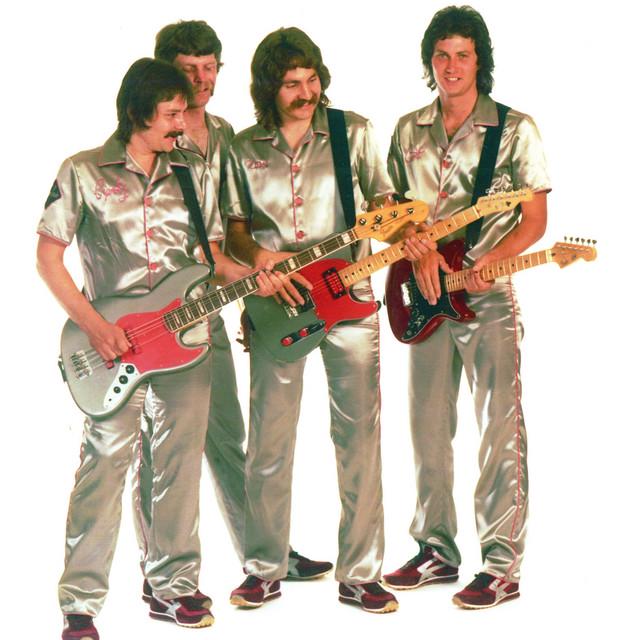
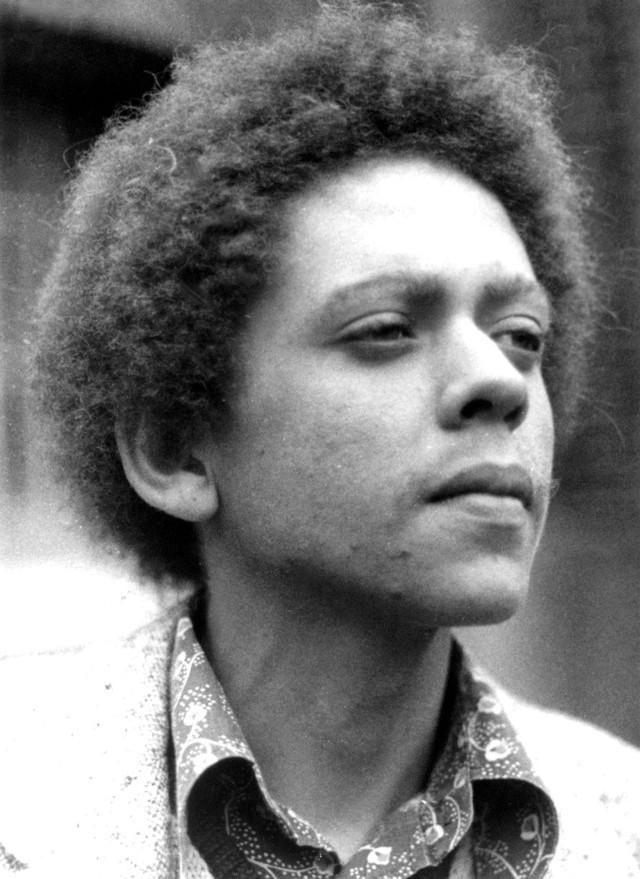
Blondie Chaplin’s Spotify BioThough not quite a household name, Blondie Chaplin has played key roles in some of the biggest bands in rock & roll, with a decades-long résumé that includes work with the Beach Boys, the Band, Bonnie Raitt, David Johansen, Elliott Murphy, and 15 years as an auxiliary member of the Rolling Stones. In addition to enhancing the stage shows and studio creations of notable classic rock legends, Chaplin also writes songs of his own, releasing a self-titled solo album in 1977 and a 2006 follow-up, Between Us.
Chaplin was born in South Africa in 1951 in the city of Durban. By age 13, he was part of rock group the Flames, who had a regional hit in 1968 with their take on Jerry Butler and the Impressions' "For Your Precious Love." Carl Wilson saw the Flames perform in London and signed them to the Beach Boys' imprint Brother Records, and also produced their self-titled 1970 album for the label. At that point, however, the band changed their name to the Flame to avoid being confused with James… Brown backup vocal group The Famous Flames. The Flame extinguished not long after their Brother album (incidentally, it would be the only non-Beach Boys release on the label), when Chaplin and fellow Flame member Ricky Fataar joined the Beach Boys in 1972. Chaplin would be a part of the band in 1972 and 1973, contributing to the albums Carl and the Passions - "So Tough", The Beach Boys in Concert, and Holland, and singing lead on the song "Sail on Sailor." From that point on, Chaplin was fully immersed in the music industry, releasing a self-titled solo album on Asylum Records in 1977 and showing up throughout the '80s and '90s in various roles on records or live shows from Anton Fig, Rick Danko, a Byrds tribute project with Gene Clark, David Johansen, Jennifer Warnes, and many others. After touring with Rolling Stones guitarist Mick Taylor, Chaplin began working with the Stones around the release of their 1997 album Bridges to Babylon and remained a fixture in the band for around 15 years. In 2006, he released his second solo album, Between Us, on the Big Karma Records label.
Throughout the next two decades, Chaplin wore multiple hats as he continued in supporting roles for classic rock royalty, playing on albums by Keith Richards, Ronnie Wood, and Brian Wilson. He also joined Wilson in 2016 as part of the Pet Sounds 50th Anniversary World Tour and continued to tour with him into the 2020s. ~ Fred Thomas, Rovi
Viberate is a music analytics platform built for A&Rs, artist managers, labels, booking agents, marketers, and artists.
It helps music professionals track artist growth, analyze audience data, monitor playlist activity, compare artists, follow song performance, and identify opportunities across the music market.
Public artist pages provide a free preview of selected artist data. Paid plans provide access to deeper analytics, historical data, charts, comparisons, playlist tools, exports, alerts, reports, and additional professional features.
Yes. Public Viberate artist pages provide selected artist analytics and music data for free.
Viberate also offers a 7-day free trial of the full platform. A credit card is required to start the trial. The trial includes access to the complete product so users can test deeper artist analytics, historical views, playlist insights, comparisons, charts, exports, alerts, and reporting features before choosing a paid plan.
Viberate provides artist analytics across streaming, playlists, social media, video, radio airplay, songs, and audience markets.
Users can analyze Spotify performance, Spotify and Apple Music playlists, YouTube activity, TikTok and Instagram growth, radio spins, song performance, audience locations, demographics, rankings, and overall artist momentum.
Artist profiles also connect to music charts, similar artists, and comparison tools, helping users benchmark performance and evaluate artists in context.
Viberate updates key artist and track data daily.
For followed artists and tracks, selected data is refreshed multiple times per day. This helps teams monitor playlist changes, streaming movement, audience growth, releases, and campaign performance with more current data.
Update frequency can vary depending on the metric and data source.
Yes. Viberate lets users compare up to five artists side by side across streaming, social media, audience, and engagement metrics.
Users can compare fanbase growth, audience demographics, locations, Spotify performance, social metrics, and other artist data over selected time periods.
Artist comparison can be used for A&R scouting, benchmarking, booking decisions, campaign planning, and evaluating artists with similar audiences or market positions.