Blind Equation

Metal
Grindcore
Metalcore/Deathcore
Other Electronic Music
 Viberate Rank: 170225
 Viberate Rank: 170225
 Monthly ListenersFollowers
 Subscribers
 Followers
 Followers
 FansTop Spotify Songs
| Track | 7-Day Streams | |
|---|---|---|
1 | 1.58K | |
2 | 486 | |
3 | 469 | |
4 | 383 | |
5 | 308 |
Top YouTube Videos| Video | 7-Day Views | |
|---|---|---|
1 | 226 | |
2 | 60 | |
3 | 15 | |
4 | 14 | |
5 | 14 |
Monthly ListenersFeatured in Playlists| Playlist | Followers | |
|---|---|---|
1 |  cyber pop | emerging hyperpop 2025 Filtr US | 20.48K |
2 |  Metal Overload 🤘 New Heavy Metalcore Filtr US | 13.01K |
3 |  Essential // Metal Essential // Music | 11.00K |
4 |  Metal | To The End To The End | 9.99K |
5 |  Headbangers SUPER SUNDAY | 9.66K |
Audience| City | Monthly Listeners | |
|---|---|---|
1 | | 198 |
2 | | 75 |
3 | | 66 |
4 | | 60 |
5 | | 58 |
See full performance history, audience data, playlist activity, rankings, comparisons, and more in Viberate music analytics. Start with a free trial, then continue with a paid plan.
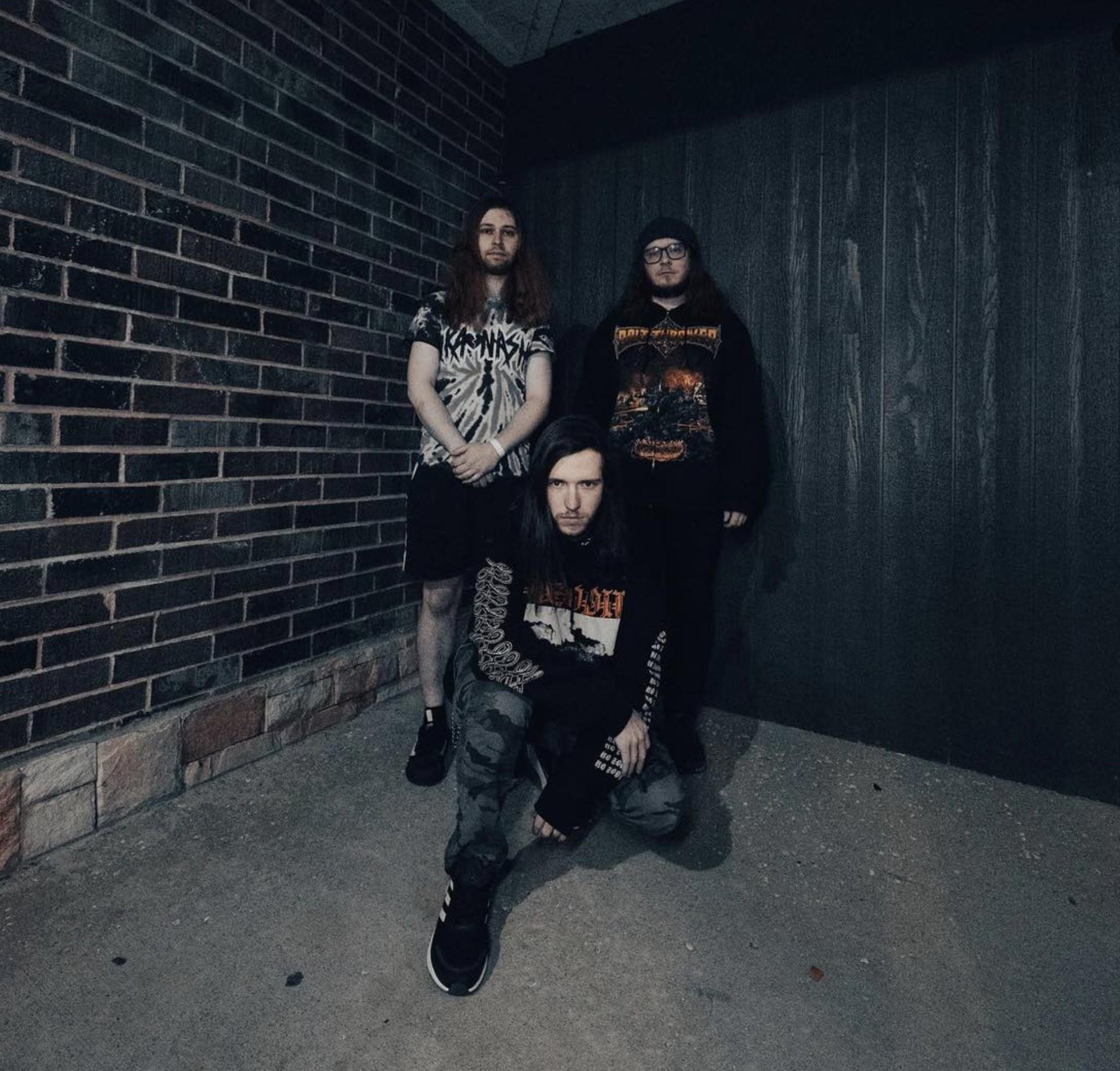
Blind Equation’s Spotify BioHaving grown up in the infamous 2010's Chicago area metal and hardcore scene, and over a decade existing in the furthest corners of the internet's niche cyber music communities, Blind Equation is the naturally selected herald of some the world wide web's so-called "weirdest" sounds. Standing on decades of underground and outsider sonic history, Blind Equation is the pinnacle evolution of the, until recently, obscure genres, nintendocore and cybergrind that were birthed in the Myspace era of the early '00's.
90's grindcore, Gen Z hyperpop, and Castlevania-esque video game soundtracks collide at blurring speeds under the keyboard of Blind Equation, and the subsequent amalgamation of otherwise completely incompatible styles is utterly heavenly (though, admittedly, jarring upon first listen). This deliciously digital sonic soup is comprised of the completely maximized forms of its influences and audible ingredients. The blasts: blistering, the vocals: scathing, the synths: from dirge-y… dungeon depths to bombastic boss battles. The drum sequences are all around infectious and carry songs at an adventurous pace while expertly composed synths paint the perfect background for vocals that range anywhere from violent screams to effected digicore and hyperpop laden choruses.
Blind Equation stands to usher in a whole new era of internet and cyber music. It's the artist you never knew you needed, but now that you've had a taste, simply cannot get enough of.
-Natty Gray, Cult Love
Viberate is a music analytics platform built for A&Rs, artist managers, labels, booking agents, marketers, and artists.
It helps music professionals track artist growth, analyze audience data, monitor playlist activity, compare artists, follow song performance, and identify opportunities across the music market.
Public artist pages provide a free preview of selected artist data. Paid plans provide access to deeper analytics, historical data, charts, comparisons, playlist tools, exports, alerts, reports, and additional professional features.
Yes. Public Viberate artist pages provide selected artist analytics and music data for free.
Viberate also offers a 7-day free trial of the full platform. A credit card is required to start the trial. The trial includes access to the complete product so users can test deeper artist analytics, historical views, playlist insights, comparisons, charts, exports, alerts, and reporting features before choosing a paid plan.
Viberate provides artist analytics across streaming, playlists, social media, video, radio airplay, songs, and audience markets.
Users can analyze Spotify performance, Spotify and Apple Music playlists, YouTube activity, TikTok and Instagram growth, radio spins, song performance, audience locations, demographics, rankings, and overall artist momentum.
Artist profiles also connect to music charts, similar artists, and comparison tools, helping users benchmark performance and evaluate artists in context.
Viberate updates key artist and track data daily.
For followed artists and tracks, selected data is refreshed multiple times per day. This helps teams monitor playlist changes, streaming movement, audience growth, releases, and campaign performance with more current data.
Update frequency can vary depending on the metric and data source.
Yes. Viberate lets users compare up to five artists side by side across streaming, social media, audience, and engagement metrics.
Users can compare fanbase growth, audience demographics, locations, Spotify performance, social metrics, and other artist data over selected time periods.
Artist comparison can be used for A&R scouting, benchmarking, booking decisions, campaign planning, and evaluating artists with similar audiences or market positions.