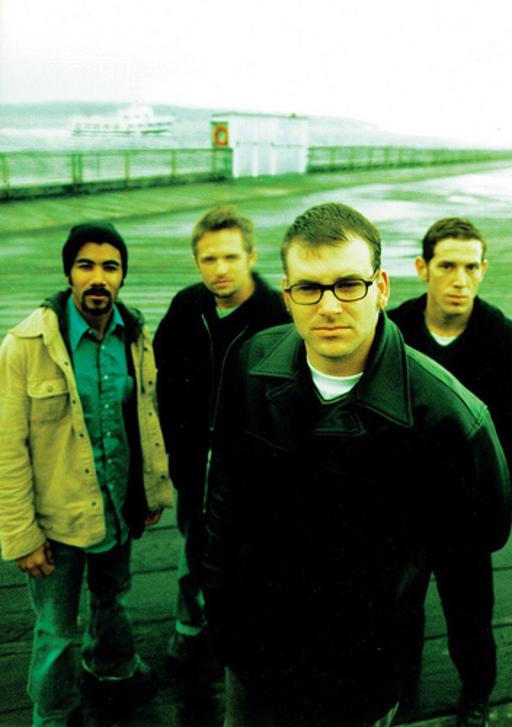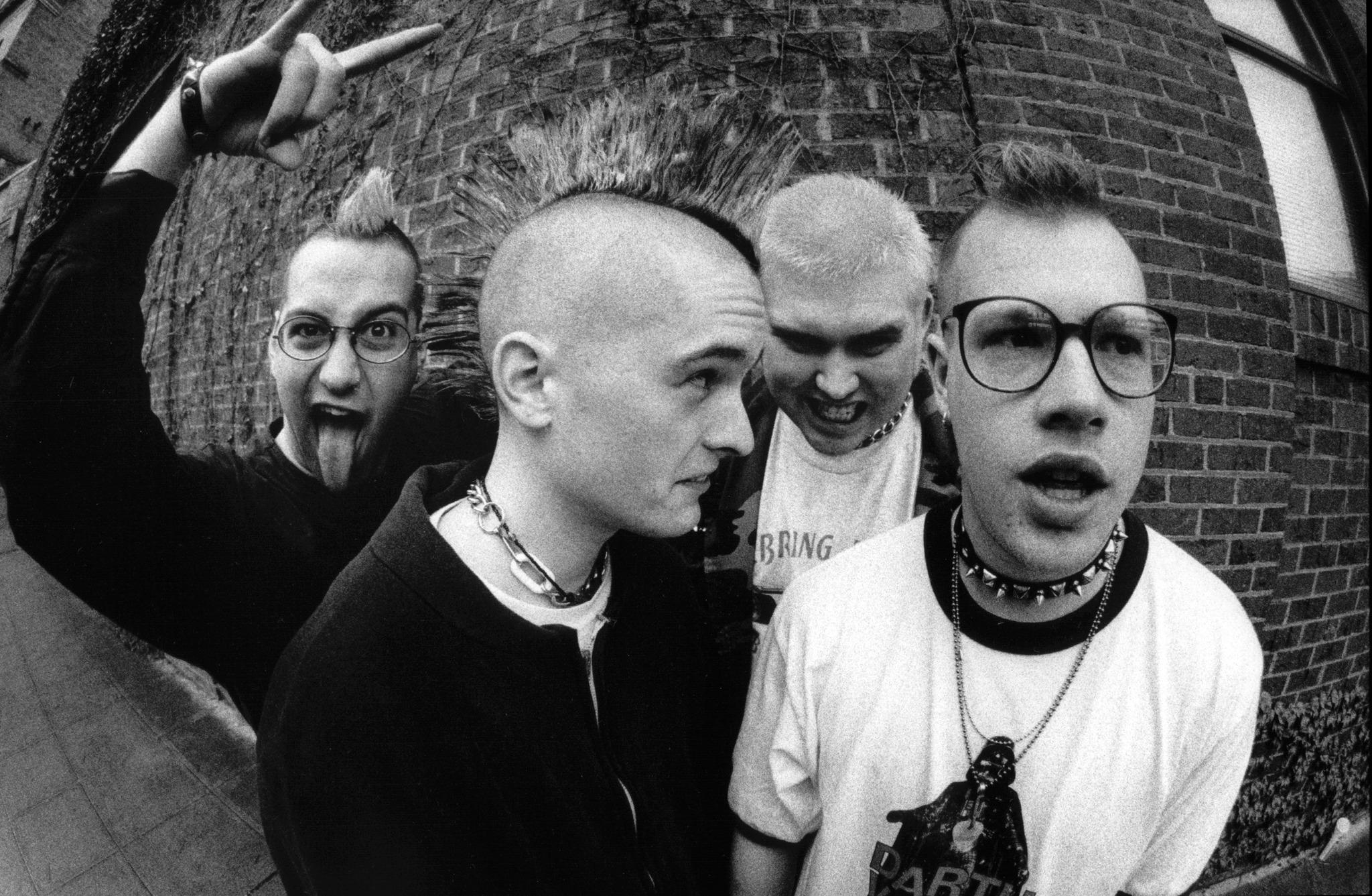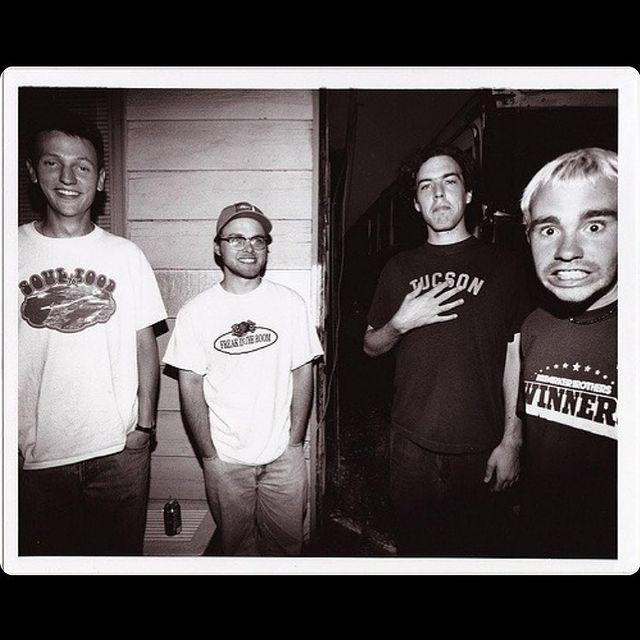
Blenderhead

Punk
Punk Rock
Alternative Rock
 Viberate Rank: 521750
 Viberate Rank: 521750
 Monthly ListenersFollowers
 Subscribers
 Followers
 Followers
 FansTop Spotify Songs
| Track | 7-Day Streams | |
|---|---|---|
1 | 42 | |
2 | 26 | |
3 | 18 | |
4 | 18 | |
5 | 17 |
Top YouTube VideosMonthly ListenersFeatured in Playlists| Playlist | Followers | |
|---|---|---|
1 |  Tooth & Nail: The Collection Tooth & Nail Records | 4.45K |
2 |  1000+ BEST PUNK COVER SONGS senordinosaur | 3.14K |
3 |  Tooth and Nail Records (1993 - 2004) Jake | 1.75K |
4 |  Underground Scene Music Dane Gleesack | 1.46K |
5 |  ☆ Rock Forever ☆ (Greatest Hits) Alexie Mc | 1.43K |
Audience| City | Monthly Listeners | |
|---|---|---|
1 | | 9 |
2 | | 7 |
3 | | 5 |
4 | | 5 |
5 | | 5 |
See full performance history, audience data, playlist activity, rankings, comparisons, and more in Viberate music analytics. Start with a free trial, then continue with a paid plan.
Blenderhead’s Spotify BioWanting to return to his post-punk roots and play something other than grunge, Bill Power dusted off his bass and cleared his throat to front Blenderhead in 1992. Bringing out lots of emo-ed out angst over a layer of unified power-pop caught the attention of Tooth and Nail Records, who eventually released the EPs Prime Candidate for Burnout and Blue Tile Lounge in 1994. With Blenderhead's settled in line up of Matt Johnson (drums), Ed Carrigan (guitar) and Eben Haase (guitar), their first full-length Muchacho Vivo came out the following year. Unfortunately, during their first US tour with labelmates MxPx, Blenderhead disbanded in 1995, eventually putting out a self-titled "goodbye" EP the following year -- which actually was a re-release of their first demo recorded in 1993. As the new millennium came to a close, Blenderhead regrouped to release Figureheads on the Forefront of Pop Culture on Tooth & Nail in late 2000.~ Mike DaRonco
Viberate is a music analytics platform built for A&Rs, artist managers, labels, booking agents, marketers, and artists.
It helps music professionals track artist growth, analyze audience data, monitor playlist activity, compare artists, follow song performance, and identify opportunities across the music market.
Public artist pages provide a free preview of selected artist data. Paid plans provide access to deeper analytics, historical data, charts, comparisons, playlist tools, exports, alerts, reports, and additional professional features.
Yes. Public Viberate artist pages provide selected artist analytics and music data for free.
Viberate also offers a 7-day free trial of the full platform. A credit card is required to start the trial. The trial includes access to the complete product so users can test deeper artist analytics, historical views, playlist insights, comparisons, charts, exports, alerts, and reporting features before choosing a paid plan.
Viberate provides artist analytics across streaming, playlists, social media, video, radio airplay, songs, and audience markets.
Users can analyze Spotify performance, Spotify and Apple Music playlists, YouTube activity, TikTok and Instagram growth, radio spins, song performance, audience locations, demographics, rankings, and overall artist momentum.
Artist profiles also connect to music charts, similar artists, and comparison tools, helping users benchmark performance and evaluate artists in context.
Viberate updates key artist and track data daily.
For followed artists and tracks, selected data is refreshed multiple times per day. This helps teams monitor playlist changes, streaming movement, audience growth, releases, and campaign performance with more current data.
Update frequency can vary depending on the metric and data source.
Yes. Viberate lets users compare up to five artists side by side across streaming, social media, audience, and engagement metrics.
Users can compare fanbase growth, audience demographics, locations, Spotify performance, social metrics, and other artist data over selected time periods.
Artist comparison can be used for A&R scouting, benchmarking, booking decisions, campaign planning, and evaluating artists with similar audiences or market positions.