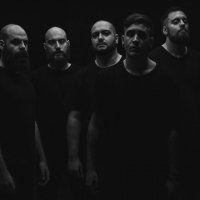
Bleed Someone Dry

Metal
Metalcore/Deathcore
Progressive Metal
 Viberate Rank: 385742
 Viberate Rank: 385742
 Monthly ListenersFollowers
 Subscribers
 Followers
 Followers
 FansTop Spotify Songs
| Track | 7-Day Streams | |
|---|---|---|
1 | 64 | |
2 | 56 | |
3 | 45 | |
4 | 43 | |
5 | 19 |
Top YouTube VideosMonthly ListenersFeatured in Playlists| Playlist | Followers | |
|---|---|---|
1 |  DJENTCORE Federico Ascari | 11.91K |
2 |  ELECTRONICORE FOXCORE | 2.67K |
3 |  Ohrion Reacts TikTok Kait Beach | 2.57K |
4 |  Aggressive metal/Metal/Deathcore/Metalcore brian_zubrzycki | 1.26K |
Audience| City | Monthly Listeners | |
|---|---|---|
1 | | 17 |
2 |  | 9 |
3 | | 8 |
4 |  | 7 |
5 |  | 6 |
See full performance history, audience data, playlist activity, rankings, comparisons, and more in Viberate music analytics. Start with a free trial, then continue with a paid plan.
Bleed Someone Dry’s Spotify BioBleed Someone Dry, originating in 2007 from the remnants of a trash metal band in Pistoia, evolved their sound with new members Jonathan Mazzeo and Ruben Spizzichino, shifting towards an extreme math/hardcore fusion reminiscent of bands like Meshuggah and Norma Jean.
They released their debut album, The World Is Falling In Tragedy in the same year, initiating a live performance circuit across Italy.
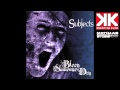
Over the years, lineup changes occurred, leading to the release of their next album Subjects in 2012.
This period saw them perform extensively, including a slot at the Exit Festival and accompanying I Declare War on a Russian tour.
Shifting focus to writing new material, they moved towards a sound akin to deathcore bands.
Their September 2015 album release Post Mortem | Veritas showcased collaborations and allowed them to perform across Europe.
Francesco Frullo La Rosa temporarily filled in on drums until Ruben's permanent return.
Balancing songwriting and live performances, they culminated in… their fourth album Unorthodox in March 2019, introducing a new sound characterized by electronic elements.
In 2022, after a year-long break, they resumed live activities.
Meanwhile, Italian metal outfit Bleed Someone Dry resurfaced with three highly anticipated singles Hikikomori, Replicant and Taste Of Myself in collaboration with Superbia Music Group between 2023 and 2024, accompanied by a drastic change in their appearance to a more modern and powerful style.
Viberate is a music analytics platform built for A&Rs, artist managers, labels, booking agents, marketers, and artists.
It helps music professionals track artist growth, analyze audience data, monitor playlist activity, compare artists, follow song performance, and identify opportunities across the music market.
Public artist pages provide a free preview of selected artist data. Paid plans provide access to deeper analytics, historical data, charts, comparisons, playlist tools, exports, alerts, reports, and additional professional features.
Yes. Public Viberate artist pages provide selected artist analytics and music data for free.
Viberate also offers a 7-day free trial of the full platform. A credit card is required to start the trial. The trial includes access to the complete product so users can test deeper artist analytics, historical views, playlist insights, comparisons, charts, exports, alerts, and reporting features before choosing a paid plan.
Viberate provides artist analytics across streaming, playlists, social media, video, radio airplay, songs, and audience markets.
Users can analyze Spotify performance, Spotify and Apple Music playlists, YouTube activity, TikTok and Instagram growth, radio spins, song performance, audience locations, demographics, rankings, and overall artist momentum.
Artist profiles also connect to music charts, similar artists, and comparison tools, helping users benchmark performance and evaluate artists in context.
Viberate updates key artist and track data daily.
For followed artists and tracks, selected data is refreshed multiple times per day. This helps teams monitor playlist changes, streaming movement, audience growth, releases, and campaign performance with more current data.
Update frequency can vary depending on the metric and data source.
Yes. Viberate lets users compare up to five artists side by side across streaming, social media, audience, and engagement metrics.
Users can compare fanbase growth, audience demographics, locations, Spotify performance, social metrics, and other artist data over selected time periods.
Artist comparison can be used for A&R scouting, benchmarking, booking decisions, campaign planning, and evaluating artists with similar audiences or market positions.