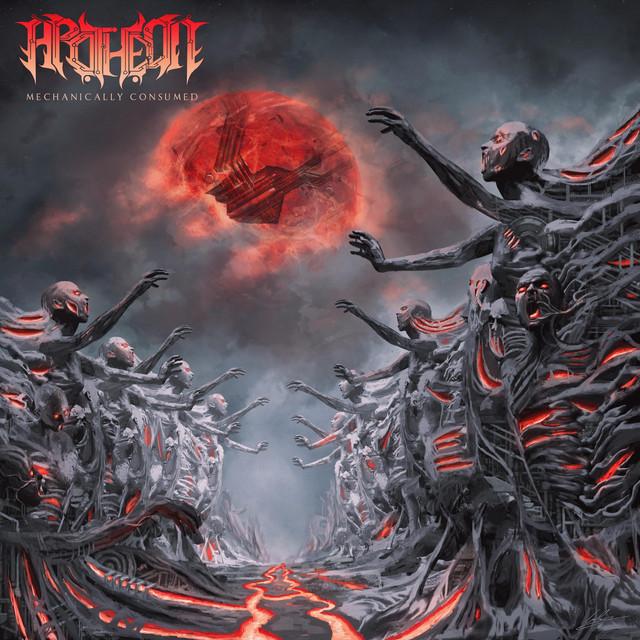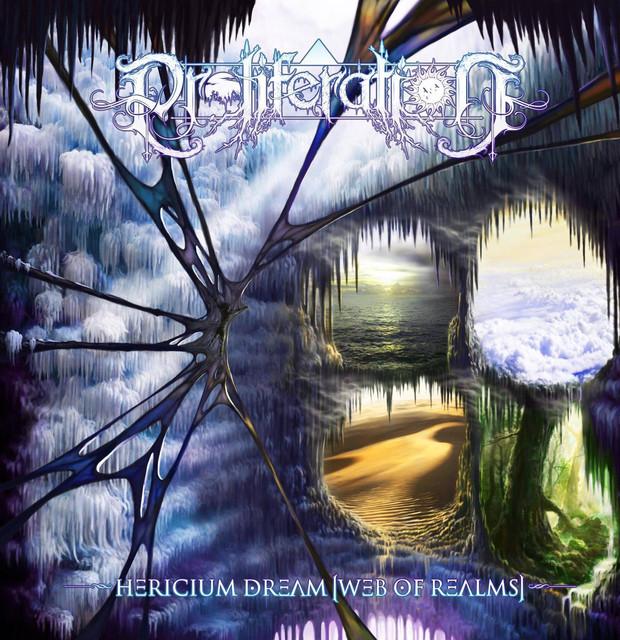
Bleak Flesh

Metal
Progressive Metal
Death Metal
 Viberate Rank: 289182
 Viberate Rank: 289182
 Monthly ListenersFollowers
 Subscribers
 Followers
 Followers
 FansTop Spotify Songs
| Track | 7-Day Streams | |
|---|---|---|
1 | 44 | |
2 | 39 | |
3 | 38 | |
4 | 37 | |
5 | 33 |
Top YouTube Videos| Video | 7-Day Views | |
|---|---|---|
1 | 7 | |
2 | 5 | |
3 | 3 | |
4 | 3 | |
5 | 3 |
Monthly ListenersFeatured in Playlists| Playlist | Followers | |
|---|---|---|
1 |  Technical Death Metal OPSAT | 15.42K |
2 | Instrumental Death Metal alpengeist19 | 7.12K |
3 |  Symphonic Death Metal Alex Rabets - vox Set To Hate | 5.33K |
4 |  Tech Death Ayk0 | 2.61K |
5 |  Neoclassical Technical Death Metal İsmail Pektaş | 2.13K |
Audience| City | Monthly Listeners | |
|---|---|---|
1 | | 23 |
2 |  | 13 |
3 |  | 8 |
4 |  | 8 |
5 |  | 7 |
See full performance history, audience data, playlist activity, rankings, comparisons, and more in Viberate music analytics. Start with a free trial, then continue with a paid plan.
Bleak Flesh’s Spotify BioFormed in 2009 in Santiago de Chile. In 2013 the band releases “THE GATEWAY” EP presenting an interesting mix of genres like technical and melodic death metal with progressive touches. In 2014 Bleak Flesh releases their first LP called “TRANSCENDENCE”. On January 1st 2016 Radial Velocity was released as a single and became the first song recorded with Ngen on vocals. Bleak Flesh first official videoclip was revealed to the public on December 19th to promote the Single “The Spectral Path”. The band releases their third studio effort on April 10th 2017, a 7 track EP called “OVERCOMING REALITY” with all the classic songwriting elements but pushing the envelope further way.
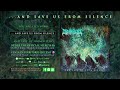
Bleak Flesh’s 2019 LP “... AND SAVE US FROM SILENCE” was released on August 6th. Nine track Technical Death Metal Journey with Symphonic, Neoclassical and Progressive influences, a tribute to a primitive and maybe divine creature with a forgotten name that encourages our minds to have the unstoppable desire to create… music. A force of nature that has been silenced throughout history.
Viberate is a music analytics platform built for A&Rs, artist managers, labels, booking agents, marketers, and artists.
It helps music professionals track artist growth, analyze audience data, monitor playlist activity, compare artists, follow song performance, and identify opportunities across the music market.
Public artist pages provide a free preview of selected artist data. Paid plans provide access to deeper analytics, historical data, charts, comparisons, playlist tools, exports, alerts, reports, and additional professional features.
Yes. Public Viberate artist pages provide selected artist analytics and music data for free.
Viberate also offers a 7-day free trial of the full platform. A credit card is required to start the trial. The trial includes access to the complete product so users can test deeper artist analytics, historical views, playlist insights, comparisons, charts, exports, alerts, and reporting features before choosing a paid plan.
Viberate provides artist analytics across streaming, playlists, social media, video, radio airplay, songs, and audience markets.
Users can analyze Spotify performance, Spotify and Apple Music playlists, YouTube activity, TikTok and Instagram growth, radio spins, song performance, audience locations, demographics, rankings, and overall artist momentum.
Artist profiles also connect to music charts, similar artists, and comparison tools, helping users benchmark performance and evaluate artists in context.
Viberate updates key artist and track data daily.
For followed artists and tracks, selected data is refreshed multiple times per day. This helps teams monitor playlist changes, streaming movement, audience growth, releases, and campaign performance with more current data.
Update frequency can vary depending on the metric and data source.
Yes. Viberate lets users compare up to five artists side by side across streaming, social media, audience, and engagement metrics.
Users can compare fanbase growth, audience demographics, locations, Spotify performance, social metrics, and other artist data over selected time periods.
Artist comparison can be used for A&R scouting, benchmarking, booking decisions, campaign planning, and evaluating artists with similar audiences or market positions.