Blazers

Electronic
House
Deep House
 Viberate Rank: 526447
 Viberate Rank: 526447
 Monthly ListenersFollowers
 Subscribers
 Followers
 Followers
 FansTop Spotify Songs
| Track | 7-Day Streams | |
|---|---|---|
1 | 123 | |
2 | 30 | |
3 | 21 | |
4 | 17 | |
5 | 11 |
Top YouTube VideosMonthly ListenersFeatured in Playlists| Playlist | Followers | |
|---|---|---|
1 |  Flavour Trip Official Playlist Amii Watson | 81.80K |
2 |  6 A.M. In The Warehouse (curated by Oath) Oath | 15.98K |
3 |  Deep House Classics 2026 Thomas Coxhead | 15.03K |
4 |  SUNSHINE FORECAST Tommie Sunshine | 7.12K |
5 |  Handpicked House Pato Mallet | 4.53K |
Audience| City | Monthly Listeners | |
|---|---|---|
1 |  | 19 |
2 |  | 18 |
3 |  | 16 |
4 |  | 15 |
5 |  | 12 |
See full performance history, audience data, playlist activity, rankings, comparisons, and more in Viberate music analytics. Start with a free trial, then continue with a paid plan.
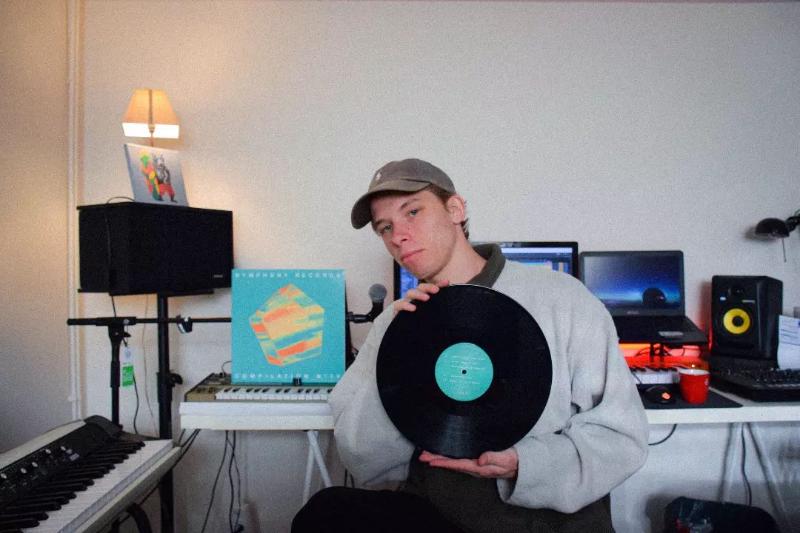
Blazers’ Spotify BioBlazers aka Timothée Suillaud is a Paris-born multi-instrumentalist, producer and DJ.
As a child, Tim listened to his parent’s CDs – The Beatles, classical, jazz and french pop, encouraging him to take early drums lessons. Later, borrowing the iPod of his older sister, the fledgling producer was immersing himself in a wide spectrum of genres such as electronica, disco, funk, and discovering artists like Daft Punk and St Germain.
The light-bulb moment came at 15 years old when Tim got Daft Punk’s ‘Live 2007’ CD. He then decided he wanted to start DJing. Blazers was born. Using Virtual DJ on his PC, Tim started doing his own DJ edits, sending a local bar owner some mixes and landed his first gig in a Parisian bar.
By 19 years old, Tim had branched out from Paris and started performing around France in clubs, bars and some festivals. After sending a demo to Grenoble-based Nymphony Records, Blazers was entered for their yearly talent contest. He won. Continuing to work with and DJ for… Nymphony, Tim ‘created’ ‘Side2Side’ and it was released digitally on Nymphony Records in 2016.
In 2018, Jo Wallace at F*CLR Records stumbled across Blazers’ Soundcloud and made immediate contact with Tim & Nymphony – her A&R ears knew that she was onto something big. Tim signed to F*CLR and his ‘Groove Sequence’ EP was released. Featured on the EP was ‘Side2Side’ and one day after release, Skint Records contacted Jo at F*CLR to release the track. And the rest, as they say, is history.
Viberate is a music analytics platform built for A&Rs, artist managers, labels, booking agents, marketers, and artists.
It helps music professionals track artist growth, analyze audience data, monitor playlist activity, compare artists, follow song performance, and identify opportunities across the music market.
Public artist pages provide a free preview of selected artist data. Paid plans provide access to deeper analytics, historical data, charts, comparisons, playlist tools, exports, alerts, reports, and additional professional features.
Yes. Public Viberate artist pages provide selected artist analytics and music data for free.
Viberate also offers a 7-day free trial of the full platform. A credit card is required to start the trial. The trial includes access to the complete product so users can test deeper artist analytics, historical views, playlist insights, comparisons, charts, exports, alerts, and reporting features before choosing a paid plan.
Viberate provides artist analytics across streaming, playlists, social media, video, radio airplay, songs, and audience markets.
Users can analyze Spotify performance, Spotify and Apple Music playlists, YouTube activity, TikTok and Instagram growth, radio spins, song performance, audience locations, demographics, rankings, and overall artist momentum.
Artist profiles also connect to music charts, similar artists, and comparison tools, helping users benchmark performance and evaluate artists in context.
Viberate updates key artist and track data daily.
For followed artists and tracks, selected data is refreshed multiple times per day. This helps teams monitor playlist changes, streaming movement, audience growth, releases, and campaign performance with more current data.
Update frequency can vary depending on the metric and data source.
Yes. Viberate lets users compare up to five artists side by side across streaming, social media, audience, and engagement metrics.
Users can compare fanbase growth, audience demographics, locations, Spotify performance, social metrics, and other artist data over selected time periods.
Artist comparison can be used for A&R scouting, benchmarking, booking decisions, campaign planning, and evaluating artists with similar audiences or market positions.