Blaze

Electronic
House
Dance
 Viberate Rank: 37137
 Viberate Rank: 37137
 Monthly ListenersFollowers
 Subscribers
 Followers
 Followers
 FansTop Spotify Songs
| Track | 7-Day Streams | |
|---|---|---|
1 | 274.85K | |
2 | 124.58K | |
3 | 88.77K | |
4 | 72.90K | |
5 | 49.48K |
Top YouTube VideosMonthly ListenersFeatured in Playlists| Playlist | Followers | |
|---|---|---|
1 |  Armada Today Armada Music | 254.64K |
2 |  IBIZA CLASSICS 🍹1990-2026 Lounge & Restaurant | 220.32K |
3 |  U1 Drugs ❤️💉 Msagassi | 184.63K |
4 |  Ibiza Party 2026 🌴☀️ Ibiza Playlists | 132.79K |
5 | 🇿🇦 SA House Classics Thursty B | 114.79K |
Audience| City | Monthly Listeners | |
|---|---|---|
1 |  | 47.14K |
2 | | 29.34K |
3 |  | 19.48K |
4 | | 19.06K |
5 |  | 16.86K |
See full performance history, audience data, playlist activity, rankings, comparisons, and more in Viberate music analytics. Start with a free trial, then continue with a paid plan.
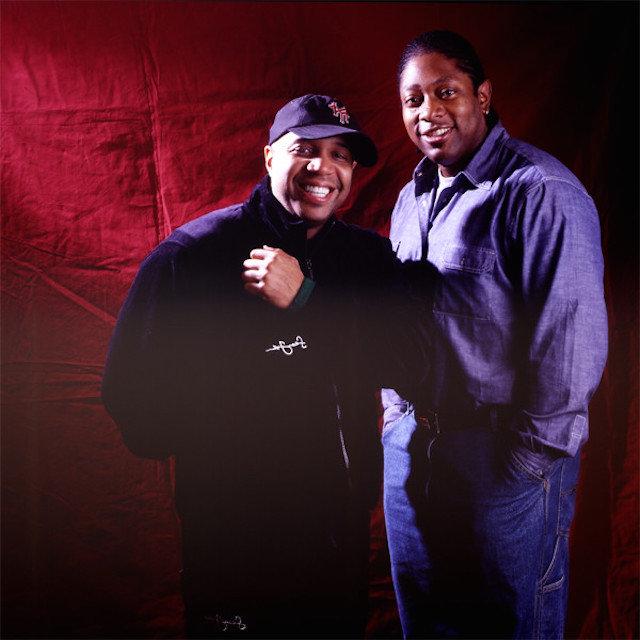
Blaze’s Spotify BioThe New Jersey production team known as Blaze authored a number of deep house anthems from the 1980s and '90s, including "If You Should Need a Friend" and "Lovelee Dae" under their own name as well as "Hideaway" by De'lacy and "My Desire" by Amira. Signed to a contract with Motown (ostensibly for their R&B/pop crossover potential) in 1989, the trio of Josh Milan, Kevin Hedge and Chris Herbert issued one solid album for the label before embarking on a career short on LPs but long on stellar productions for a variety of artists. The production wing of Blaze, namely Milan and Hedge (the latter a former gospel singer) began as early favorites on the New York/New Jersey garage scene of the mid-'80s. The pair, both DJs and fans of Tony Humphries' sets at the Newark club Zanzibar, began producing in 1984 and made a name for themselves two years later with a pair of garage classics, "If You Should Need a Friend" and "Whatcha Gonna Do" (with vocals by Colonel Abrams). Remixes and additional… production for British synth-popsters ABC led to a recording contract with Motown in 1989. With semi-permanent vocalist Chris Herbert added to the lineup, Blaze released their debut album 25 Years Later in 1990. Though the single "So Special" did well in the clubs, it wasn't quite the crossover Motown expected and the group was dropped.
Though the major labels had enough of crossover house music by the early '90s, there was still a major independent market for the music. Milan and Hedge continued to produce and record, both separately and together, during the decade. In 1994, they wrote and produced the British Top Ten hit "Hideaway" by De'Lacy. Three years later, Blaze added Tee Alford and returned with another club hit ("Lovelee Dae") and their second full-length, Basic Blaze (recorded for the UK-based Slip'N'Slide label). A Blaze retrospective appeared in 1999. 2001 saw the release of Natural Blaze, a tribute to their late friend James Toney, Jr., followed by Spiritually Speaking two years later. ~ John Bush, Rovi
Viberate is a music analytics platform built for A&Rs, artist managers, labels, booking agents, marketers, and artists.
It helps music professionals track artist growth, analyze audience data, monitor playlist activity, compare artists, follow song performance, and identify opportunities across the music market.
Public artist pages provide a free preview of selected artist data. Paid plans provide access to deeper analytics, historical data, charts, comparisons, playlist tools, exports, alerts, reports, and additional professional features.
Yes. Public Viberate artist pages provide selected artist analytics and music data for free.
Viberate also offers a 7-day free trial of the full platform. A credit card is required to start the trial. The trial includes access to the complete product so users can test deeper artist analytics, historical views, playlist insights, comparisons, charts, exports, alerts, and reporting features before choosing a paid plan.
Viberate provides artist analytics across streaming, playlists, social media, video, radio airplay, songs, and audience markets.
Users can analyze Spotify performance, Spotify and Apple Music playlists, YouTube activity, TikTok and Instagram growth, radio spins, song performance, audience locations, demographics, rankings, and overall artist momentum.
Artist profiles also connect to music charts, similar artists, and comparison tools, helping users benchmark performance and evaluate artists in context.
Viberate updates key artist and track data daily.
For followed artists and tracks, selected data is refreshed multiple times per day. This helps teams monitor playlist changes, streaming movement, audience growth, releases, and campaign performance with more current data.
Update frequency can vary depending on the metric and data source.
Yes. Viberate lets users compare up to five artists side by side across streaming, social media, audience, and engagement metrics.
Users can compare fanbase growth, audience demographics, locations, Spotify performance, social metrics, and other artist data over selected time periods.
Artist comparison can be used for A&R scouting, benchmarking, booking decisions, campaign planning, and evaluating artists with similar audiences or market positions.