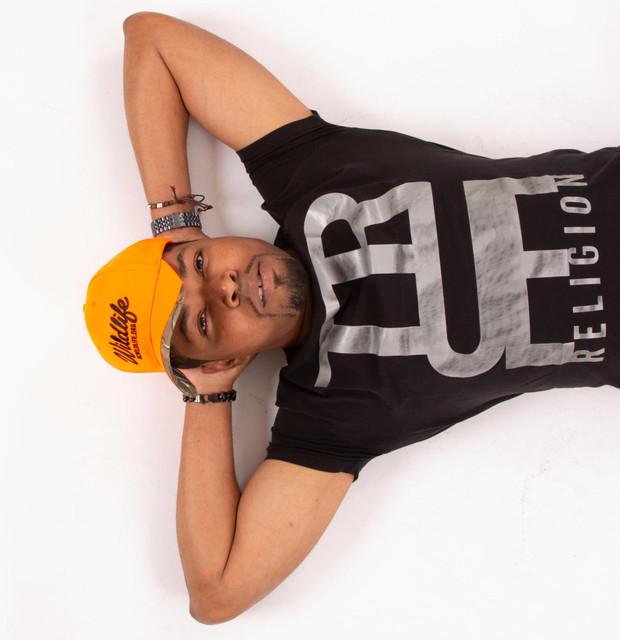
Blaxqout

Hip Hop
Contemporary Hip Hop
 Viberate Rank: 820809
 Viberate Rank: 820809
 Monthly ListenersFollowers
 Subscribers
 Followers
 Followers
 FansTop Spotify Songs
| Track | 7-Day Streams | |
|---|---|---|
1 | 21 | |
2 | 14 | |
3 | 6 | |
4 | 3 |
Top YouTube VideosMonthly ListenersFeatured in Playlists| Playlist | Followers | |
|---|---|---|
1 |  EDM RAP 🔥 TRAP & PHONK Tribal Trap | 14.74K |
2 |  Tribal Trap 🌐 Full Catalog Tribal Trap | 7.33K |
3 |  Calisthenic Workout - Barbrothers Street Workout - Beastmode 2027 Hannes Schurig | 5.49K |
4 |  Aywy. & EphRem - Adderall bondy | 5.42K |
5 |  Top Rap Hits 2025 (Hip Hop , Rap , Trap , Future Bass) Tomer Aaron | 4.21K |
Audience| City | Monthly Listeners | |
|---|---|---|
1 |  | 3 |
2 |  | 3 |
3 |  | 3 |
4 | | 3 |
See full performance history, audience data, playlist activity, rankings, comparisons, and more in Viberate music analytics. Start with a free trial, then continue with a paid plan.
Blaxqout’s Spotify BioDark, moody, and brazenly aggressive, Perth-area rapper Blaxqout emerged in mid 2019 with a collection of heavy hitting trap bangers that turned him into one of Western Australia’s fastest-rising stars, seemingly overnight.
Blaxqout picked up music at a young age. In 6th grade he started learning guitar for the school band, and by his early teens he was playing drums for the church. Everything changed when he found the party scene. He saw how the genre’s signature 808 bass lines and rattling hi-hats could instantly hype up a crowd, and from that point on, he was hooked. He found himself drinking and smoking heavily, and kept getting into trouble with girls - but most importantly, he discovered a passion for hip hop.
Unable to find any talented local producers to work with, Blaxqout taught himself to make beats at home on GarageBand. By the end of 2018, Blaxqout realized that he was more suited to rapping than producing - he quit making beats and took to the microphone, calling on a host… of collaborators to handle the production side of his music from then on. The first of these collaborations arrived in June 2019 with his debut EP “ Blackout ”, featuring instrumentals by German beatmaker Lenny . The 4-track tape showcased his skill for creating aggressive trap anthems suited to the mosh pit.
Follow him on Instagram - @Blaxqout
Viberate is a music analytics platform built for A&Rs, artist managers, labels, booking agents, marketers, and artists.
It helps music professionals track artist growth, analyze audience data, monitor playlist activity, compare artists, follow song performance, and identify opportunities across the music market.
Public artist pages provide a free preview of selected artist data. Paid plans provide access to deeper analytics, historical data, charts, comparisons, playlist tools, exports, alerts, reports, and additional professional features.
Yes. Public Viberate artist pages provide selected artist analytics and music data for free.
Viberate also offers a 7-day free trial of the full platform. A credit card is required to start the trial. The trial includes access to the complete product so users can test deeper artist analytics, historical views, playlist insights, comparisons, charts, exports, alerts, and reporting features before choosing a paid plan.
Viberate provides artist analytics across streaming, playlists, social media, video, radio airplay, songs, and audience markets.
Users can analyze Spotify performance, Spotify and Apple Music playlists, YouTube activity, TikTok and Instagram growth, radio spins, song performance, audience locations, demographics, rankings, and overall artist momentum.
Artist profiles also connect to music charts, similar artists, and comparison tools, helping users benchmark performance and evaluate artists in context.
Viberate updates key artist and track data daily.
For followed artists and tracks, selected data is refreshed multiple times per day. This helps teams monitor playlist changes, streaming movement, audience growth, releases, and campaign performance with more current data.
Update frequency can vary depending on the metric and data source.
Yes. Viberate lets users compare up to five artists side by side across streaming, social media, audience, and engagement metrics.
Users can compare fanbase growth, audience demographics, locations, Spotify performance, social metrics, and other artist data over selected time periods.
Artist comparison can be used for A&R scouting, benchmarking, booking decisions, campaign planning, and evaluating artists with similar audiences or market positions.