Blaq Poet

Hip Hop
Alternative Hip Hop
Underground Hip Hop
 Viberate Rank: 157104
 Viberate Rank: 157104
 Monthly ListenersFollowers
 Subscribers
 Followers
 Followers
 FansTop Spotify Songs
| Track | 7-Day Streams | |
|---|---|---|
1 | 2.68K | |
2 | 2.14K | |
3 | 1.18K | |
4 | 974 | |
5 | 779 |
Top YouTube VideosMonthly ListenersFeatured in Playlists| Playlist | Followers | |
|---|---|---|
1 |  Instrumental Hip Hop Beats Elias Jungbeck | 39.55K |
2 |  90'S UNDERGROUND HIP-HOP Bryan Nuñez | 37.47K |
3 | Rap Old School hugo_2k | 25.58K |
4 |  🚉Graffiti Music Miro Moore | 22.07K |
5 |  KESSEL MUSS BRENNEN Daniel Hernes | 18.91K |
Audience| City | Monthly Listeners | |
|---|---|---|
1 |  | 238 |
2 |  | 210 |
3 |  | 207 |
4 |  | 200 |
5 |  | 166 |
See full performance history, audience data, playlist activity, rankings, comparisons, and more in Viberate music analytics. Start with a free trial, then continue with a paid plan.
Blaq Poet’s Spotify BioAn alum of late-'80s/early-'90s golden age hip-hop, vicious Queensbridge lyricist Blaq Poet gradually slipped into his reputable underground status as the '90s and 2000s progressed onwards. Known then as MC Poet, he debuted in the mid-'80s with the ill-befitting dance-rap single "The Wopp Sensation." However, he regained ground when he embroiled himself in the Bronx-Queens feud between Boogie Down Productions and Marley Marl's Juice Crew, unleashing the KRS-One dis record, "Beat You Down," in 1987. A few years later, he teamed up with producer and turntablist DJ Hot Day to form the duo PHD; the two recorded for Tuff City, releasing the 12" "I'm Flipping" (1991) and the overindulgently violent and boastful album Without Warning (1991), which contained early guest raps by Queensbridge notables Havoc (of Mobb Deep) and Cormega.
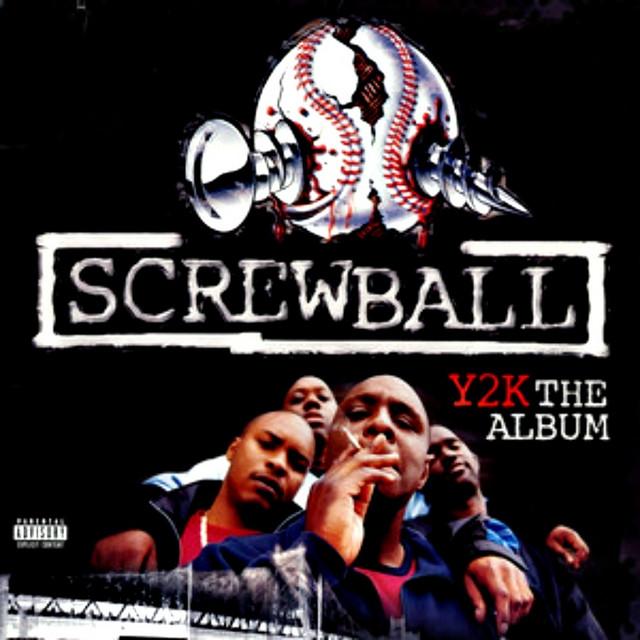
Aside from another PHD single in 1995 on Tuff City, "The Grand P.O.," Poet retreated during the middle of the '90s, save for a few mixtape appearances here and… there. But in the late '90s, he helped put together the five-person, all-Queensbridge rap group Screwball, who enjoyed beats from the likes of producer legends Pete Rock and DJ Premier. The group's label, Tommy Boy, had some issues with their rough-and-tumble rap music, especially considering their 1999 singles, "Who Shot Rudy?" (as in at-the-time New York mayor Rudy Giuliani) and "F.A.Y.B.A.N." (an acronym for "F*ck All Y'all B*tch Ass Ni**as"). Regardless, Tommy Boy issued Screwball's full-length debut, Y2K, in 2000. Since then, Poet frequently worked with DJ Premier and joined the roster of Premier's Year Round Records as a solo artist. A number of mixtapes and 12"s were issued before his first LP, Rewind: Deja Screw, hit shelves in 2006. ~ Cyril Cordor, Rovi
Viberate is a music analytics platform built for A&Rs, artist managers, labels, booking agents, marketers, and artists.
It helps music professionals track artist growth, analyze audience data, monitor playlist activity, compare artists, follow song performance, and identify opportunities across the music market.
Public artist pages provide a free preview of selected artist data. Paid plans provide access to deeper analytics, historical data, charts, comparisons, playlist tools, exports, alerts, reports, and additional professional features.
Yes. Public Viberate artist pages provide selected artist analytics and music data for free.
Viberate also offers a 7-day free trial of the full platform. A credit card is required to start the trial. The trial includes access to the complete product so users can test deeper artist analytics, historical views, playlist insights, comparisons, charts, exports, alerts, and reporting features before choosing a paid plan.
Viberate provides artist analytics across streaming, playlists, social media, video, radio airplay, songs, and audience markets.
Users can analyze Spotify performance, Spotify and Apple Music playlists, YouTube activity, TikTok and Instagram growth, radio spins, song performance, audience locations, demographics, rankings, and overall artist momentum.
Artist profiles also connect to music charts, similar artists, and comparison tools, helping users benchmark performance and evaluate artists in context.
Viberate updates key artist and track data daily.
For followed artists and tracks, selected data is refreshed multiple times per day. This helps teams monitor playlist changes, streaming movement, audience growth, releases, and campaign performance with more current data.
Update frequency can vary depending on the metric and data source.
Yes. Viberate lets users compare up to five artists side by side across streaming, social media, audience, and engagement metrics.
Users can compare fanbase growth, audience demographics, locations, Spotify performance, social metrics, and other artist data over selected time periods.
Artist comparison can be used for A&R scouting, benchmarking, booking decisions, campaign planning, and evaluating artists with similar audiences or market positions.