Blanche

Country
Americana/Alt Country
Folk Rock
 Viberate Rank: 438711
 Viberate Rank: 438711
 Monthly ListenersFollowers
 Subscribers
 Followers
 Followers
 FansTop Spotify Songs
| Track | 7-Day Streams | |
|---|---|---|
1 | 4.72K | |
2 | 130 | |
3 | 110 | |
4 | 98 | |
5 | 46 |
Top YouTube VideosMonthly ListenersFeatured in Playlists| Playlist | Followers | |
|---|---|---|
1 |  Balkan Summer Europop 2010 Syria Fragoulaki | 15.39K |
2 |  FM4 Sunny Side Up (Update every Sunday) johannespuntigam | 9.46K |
3 |  Dark Folk and Americana milltailersmusic | 8.74K |
4 | Dark Folk, Depressing Country, Southern Gothic, Aggressive Blues, Death Boogie, Dirt Stomp AnTi | 5.64K |
5 | New Orleans Hillbilly Voodoo Blues Travis Gregory | 5.41K |
Audience| City | Monthly Listeners | |
|---|---|---|
1 |  | 23 |
2 | | 17 |
3 |  | 14 |
4 | | 14 |
5 | | 14 |
See full performance history, audience data, playlist activity, rankings, comparisons, and more in Viberate music analytics. Start with a free trial, then continue with a paid plan.
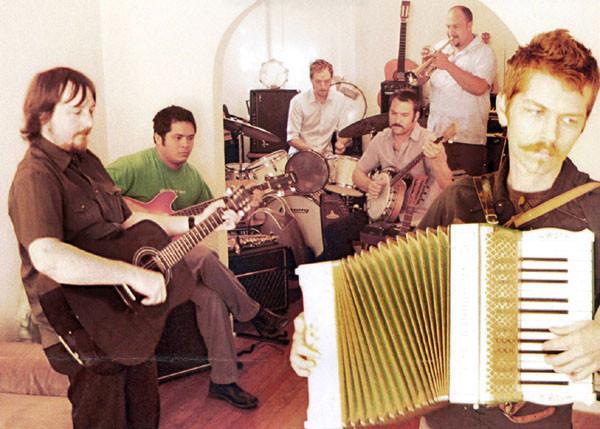
Blanche’s Spotify BioGothic indie-country-folk medicine show revivalists Blanche formed around frontman Dan Miller nearly a decade after he folded his earlier project, Goober & the Peas. Looking back to early American folk music as an influence, he assembled Blanche during informal living-room music sessions, with Miller's wife, Tracee, filling in on bass and vocals, Detroit area producer and multi-instrumentalist Dave Feeny on pedal steel, newcomer Lisa "Jaybird" Jannon on drums, and Patch Boyle on banjo and autoharp. Their independent release If We Can't Trust the Doctors caught the ear of V2 Records, which signed the band to their roster in early 2004. Their subsequent touring lineup was filled out by the addition of multi-instrumentalist Little Jack Lawrence, who filled in on banjo and autoharp in Boyle's absence. The band hopped down to Nashville in early 2005 to record the songs that would later appear on their first EP, What This Town Needs. It featured two tracks from Blanche's forthcoming… full-length album, Little Amber Bottles, and was scheduled for release in the States in late October 2006, but when V2 folded, the album's release was delayed. Blanche ended up on the Loose imprint and Little Amber Bottles was released in the U.K. in summer 2007; the album was released in the U.S. later that year. ~ Zac Johnson, Rovi
Viberate is a music analytics platform built for A&Rs, artist managers, labels, booking agents, marketers, and artists.
It helps music professionals track artist growth, analyze audience data, monitor playlist activity, compare artists, follow song performance, and identify opportunities across the music market.
Public artist pages provide a free preview of selected artist data. Paid plans provide access to deeper analytics, historical data, charts, comparisons, playlist tools, exports, alerts, reports, and additional professional features.
Yes. Public Viberate artist pages provide selected artist analytics and music data for free.
Viberate also offers a 7-day free trial of the full platform. A credit card is required to start the trial. The trial includes access to the complete product so users can test deeper artist analytics, historical views, playlist insights, comparisons, charts, exports, alerts, and reporting features before choosing a paid plan.
Viberate provides artist analytics across streaming, playlists, social media, video, radio airplay, songs, and audience markets.
Users can analyze Spotify performance, Spotify and Apple Music playlists, YouTube activity, TikTok and Instagram growth, radio spins, song performance, audience locations, demographics, rankings, and overall artist momentum.
Artist profiles also connect to music charts, similar artists, and comparison tools, helping users benchmark performance and evaluate artists in context.
Viberate updates key artist and track data daily.
For followed artists and tracks, selected data is refreshed multiple times per day. This helps teams monitor playlist changes, streaming movement, audience growth, releases, and campaign performance with more current data.
Update frequency can vary depending on the metric and data source.
Yes. Viberate lets users compare up to five artists side by side across streaming, social media, audience, and engagement metrics.
Users can compare fanbase growth, audience demographics, locations, Spotify performance, social metrics, and other artist data over selected time periods.
Artist comparison can be used for A&R scouting, benchmarking, booking decisions, campaign planning, and evaluating artists with similar audiences or market positions.