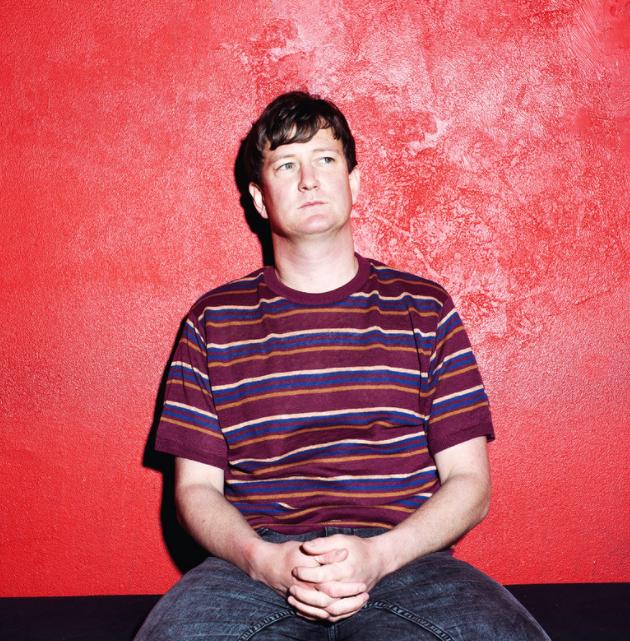
Blake Scott

Rock
Indie Rock
 Viberate Rank: 346786
 Viberate Rank: 346786
 Monthly ListenersFollowers
 Subscribers
 Followers
 Followers
 FansTop Spotify Songs
| Track | 7-Day Streams | |
|---|---|---|
1 | 790 | |
2 | 257 | |
3 | 238 | |
4 | 234 | |
5 | 208 |
Top YouTube VideosMonthly ListenersFeatured in Playlists| Playlist | Followers | |
|---|---|---|
1 |  music 4 u Nick Buxton | 4.91K |
2 |  Attica Restaurant Ben Shewry | 1.62K |
3 |  Old songs worth listening to 👹 | 1.52K |
Audience| City | Monthly Listeners | |
|---|---|---|
1 | | 1.04K |
2 | | 412 |
3 | | 283 |
4 | | 241 |
5 | | 111 |
See full performance history, audience data, playlist activity, rankings, comparisons, and more in Viberate music analytics. Start with a free trial, then continue with a paid plan.
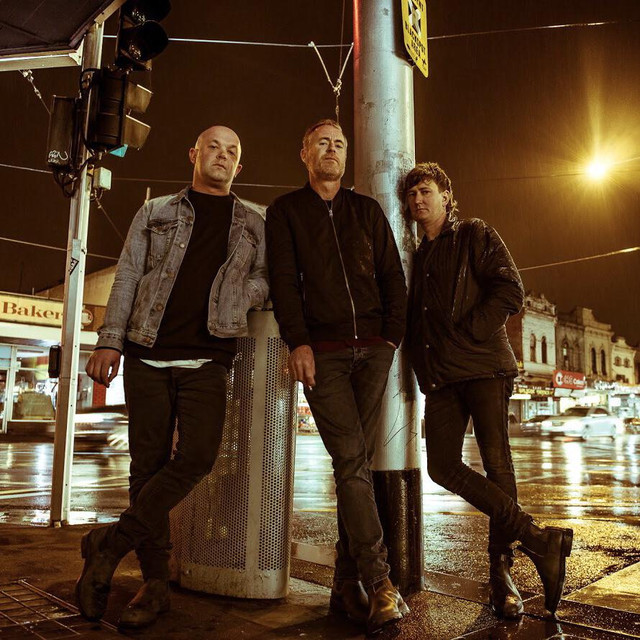
Blake Scott’s Spotify BioNiscitam is the debut solo album from Blake Scott. Better known as a member of beloved Australian three-piece The Peep Tempel, Blake is revered for his character driven lyrics and pointed songwriting, evident across the band’s three critically acclaimed albums.
Blake partnered with multi-instrumentalist and engineer John Lee to produce the album at Phaedra Studios in Melbourne with musicians Jacey Ashton and Nick Finch. The album features harmonies of Olivia Bartley. It remains voluminous and bold in arrangement, whilst taking a more introspective path lyrically.
The album explores fantasy and memory, existential angst, and is the artist’s attempt to reconcile febrile hopes for a just and peaceful world against the wild and cataclysmic buffet before him. The result is a musical salve for those enduring the pressures and mundanity of modern life against a backdrop of utopian dreams.
Devastatingly personal and culturally prescient, Niscitam is a piercing and uncomfortably satiating album to… absorb this spring.
Viberate is a music analytics platform built for A&Rs, artist managers, labels, booking agents, marketers, and artists.
It helps music professionals track artist growth, analyze audience data, monitor playlist activity, compare artists, follow song performance, and identify opportunities across the music market.
Public artist pages provide a free preview of selected artist data. Paid plans provide access to deeper analytics, historical data, charts, comparisons, playlist tools, exports, alerts, reports, and additional professional features.
Yes. Public Viberate artist pages provide selected artist analytics and music data for free.
Viberate also offers a 7-day free trial of the full platform. A credit card is required to start the trial. The trial includes access to the complete product so users can test deeper artist analytics, historical views, playlist insights, comparisons, charts, exports, alerts, and reporting features before choosing a paid plan.
Viberate provides artist analytics across streaming, playlists, social media, video, radio airplay, songs, and audience markets.
Users can analyze Spotify performance, Spotify and Apple Music playlists, YouTube activity, TikTok and Instagram growth, radio spins, song performance, audience locations, demographics, rankings, and overall artist momentum.
Artist profiles also connect to music charts, similar artists, and comparison tools, helping users benchmark performance and evaluate artists in context.
Viberate updates key artist and track data daily.
For followed artists and tracks, selected data is refreshed multiple times per day. This helps teams monitor playlist changes, streaming movement, audience growth, releases, and campaign performance with more current data.
Update frequency can vary depending on the metric and data source.
Yes. Viberate lets users compare up to five artists side by side across streaming, social media, audience, and engagement metrics.
Users can compare fanbase growth, audience demographics, locations, Spotify performance, social metrics, and other artist data over selected time periods.
Artist comparison can be used for A&R scouting, benchmarking, booking decisions, campaign planning, and evaluating artists with similar audiences or market positions.