Black Widow

Rock
Alternative Rock
Progressive Rock
 Viberate Rank: 196382
 Viberate Rank: 196382
 Monthly ListenersFollowers
 Subscribers
 Followers
 Followers
 FansTop Spotify Songs
| Track | 7-Day Streams | |
|---|---|---|
1 | 792 | |
2 | 786 | |
3 | 786 | |
4 | 522 | |
5 | 514 |
Top YouTube VideosMonthly ListenersFeatured in Playlists| Playlist | Followers | |
|---|---|---|
1 | Best of Progressive Rock Niels N. | 51.44K |
2 |  SATANIC MUSIC IMBOLC 🧚♂️ | 19.47K |
3 | 60s Psychedelic Trip andreas1965-71 | 8.21K |
4 | space rock & psychedelia Edson Alejandro Adame | 8.05K |
5 |  Occult Rock occultrock | 6.56K |
Audience| City | Monthly Listeners | |
|---|---|---|
1 | | 117 |
2 |  | 79 |
3 |  | 76 |
4 | | 55 |
5 |  | 54 |
See full performance history, audience data, playlist activity, rankings, comparisons, and more in Viberate music analytics. Start with a free trial, then continue with a paid plan.
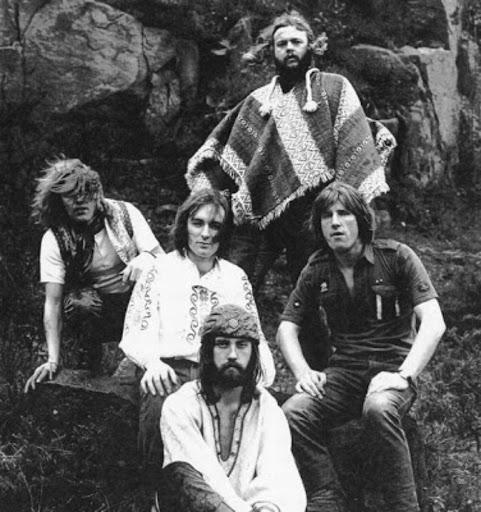
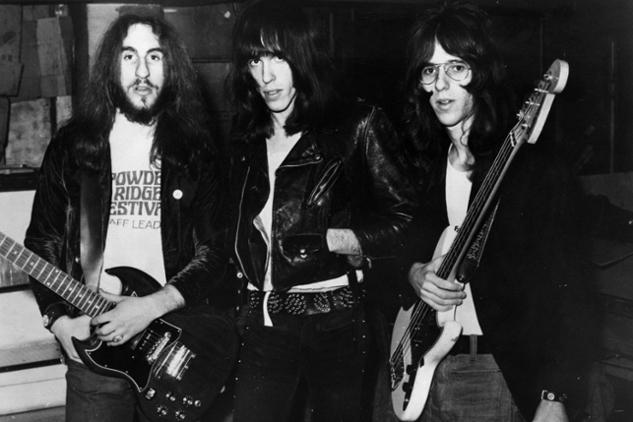
Black Widow’s Spotify BioLeicester, England-based Black Widow formed in 1969 from the ashes of blue-eyed soul band Pesky Gee! Jim Gannon (vocals, guitar, vibraphone), Kip Trevor (vocals, guitar, harmonica), Zoot Taylor (keyboards), Clive Jones (woodwinds), Bob Bond (bass), and Clive Box (drums) played dark, allegedly satanically inspired rock along the lines of Black Sabbath, and gained plenty of attention and controversy for their theatrical live sets. Black Widow made the U.K. Top 40 with their 1970 debut album, Sacrifice. Despite, or perhaps because of, the focus on their occult trappings, they moved away from their dark roots with their 1971 self-titled album and continued this trend with the following year's Black Widow III. By this time, however, lack of critical and label support, plus many lineup changes, caused the group to falter. Late in 1972, after losing their deal with CBS Records, Black Widow recorded Return to the Sabbat, a self-produced set that did not see the light of day until 1999, when it… was released by Blueprint Records. A tribute album, Come to the Sabbat, appeared later that year as well. ~ William Ruhlmann, Rovi
Viberate is a music analytics platform built for A&Rs, artist managers, labels, booking agents, marketers, and artists.
It helps music professionals track artist growth, analyze audience data, monitor playlist activity, compare artists, follow song performance, and identify opportunities across the music market.
Public artist pages provide a free preview of selected artist data. Paid plans provide access to deeper analytics, historical data, charts, comparisons, playlist tools, exports, alerts, reports, and additional professional features.
Yes. Public Viberate artist pages provide selected artist analytics and music data for free.
Viberate also offers a 7-day free trial of the full platform. A credit card is required to start the trial. The trial includes access to the complete product so users can test deeper artist analytics, historical views, playlist insights, comparisons, charts, exports, alerts, and reporting features before choosing a paid plan.
Viberate provides artist analytics across streaming, playlists, social media, video, radio airplay, songs, and audience markets.
Users can analyze Spotify performance, Spotify and Apple Music playlists, YouTube activity, TikTok and Instagram growth, radio spins, song performance, audience locations, demographics, rankings, and overall artist momentum.
Artist profiles also connect to music charts, similar artists, and comparison tools, helping users benchmark performance and evaluate artists in context.
Viberate updates key artist and track data daily.
For followed artists and tracks, selected data is refreshed multiple times per day. This helps teams monitor playlist changes, streaming movement, audience growth, releases, and campaign performance with more current data.
Update frequency can vary depending on the metric and data source.
Yes. Viberate lets users compare up to five artists side by side across streaming, social media, audience, and engagement metrics.
Users can compare fanbase growth, audience demographics, locations, Spotify performance, social metrics, and other artist data over selected time periods.
Artist comparison can be used for A&R scouting, benchmarking, booking decisions, campaign planning, and evaluating artists with similar audiences or market positions.