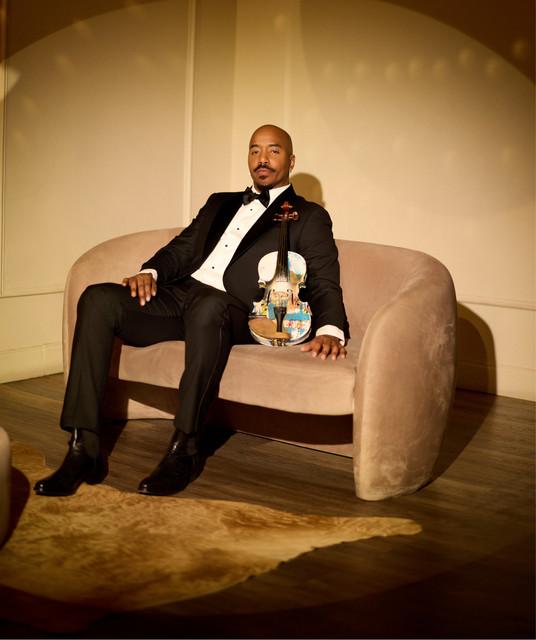
Black Violin

Classical
Classical Crossover
Indie Pop
 Viberate Rank: 38644
 Viberate Rank: 38644
 Monthly ListenersFollowers
 Subscribers
 Followers
 Followers
 FansTop Spotify Songs
| Track | 7-Day Streams | |
|---|---|---|
1 | 5.04K | |
2 | 4.01K | |
3 | 3.56K | |
4 | 2.16K | |
5 | 2.12K |
Top YouTube VideosMonthly ListenersFeatured in Playlists| Playlist | Followers | |
|---|---|---|
1 | Violin Covers of popular songs by Fsmoon Fsmoon | 79.23K |
2 |  VIOLINO INSTRUMENTAL Vieira Edvaldo | 34.80K |
3 |  Classic meets TECHNO gila_vk | 27.32K |
4 |  Chill And Play PlayStation®️ | 26.37K |
5 |  🌿🍄Therian Playlist🍄 🌿 storybook | 18.22K |
Audience| City | Monthly Listeners | |
|---|---|---|
1 | | 742 |
2 | | 663 |
3 | | 549 |
4 | | 508 |
5 | | 484 |
See full performance history, audience data, playlist activity, rankings, comparisons, and more in Viberate music analytics. Start with a free trial, then continue with a paid plan.
Black Violin’s Spotify BioFor nearly two decades, Black Violin—featuring Kev Marcus and Wil Baptiste—has been merging classical string arrangements with modern beats to defy genres and build community. Classically trained on violin and viola, the duo met in high school orchestra class in Fort Lauderdale and went on to win Showtime at the Apollo in 2005. Since then, they’ve performed across the country, including a sold-out two-night run at The Kennedy Center, and earned praise from NPR for keeping classical music alive for a new generation.
Their 2019 album Take the Stairs earned a Grammy nomination for Best Contemporary Instrumental Album, and in 2023, they received a second nomination for Best Americana Performance for “The Message” with The Blind Boys of Alabama.
Performing nearly 100 shows a year—including many for low-income students—Black Violin inspires young audiences to challenge stereotypes around classical music. In 2019, they launched the Black Violin Foundation Inc., a nonprofit dedicated to… providing access to quality music programs, regardless of race, gender, or socioeconomic status. Its flagship initiative, the Musical Innovation Grant, helps young musicians attend programs that foster creativity and growth.
Viberate is a music analytics platform built for A&Rs, artist managers, labels, booking agents, marketers, and artists.
It helps music professionals track artist growth, analyze audience data, monitor playlist activity, compare artists, follow song performance, and identify opportunities across the music market.
Public artist pages provide a free preview of selected artist data. Paid plans provide access to deeper analytics, historical data, charts, comparisons, playlist tools, exports, alerts, reports, and additional professional features.
Yes. Public Viberate artist pages provide selected artist analytics and music data for free.
Viberate also offers a 7-day free trial of the full platform. A credit card is required to start the trial. The trial includes access to the complete product so users can test deeper artist analytics, historical views, playlist insights, comparisons, charts, exports, alerts, and reporting features before choosing a paid plan.
Viberate provides artist analytics across streaming, playlists, social media, video, radio airplay, songs, and audience markets.
Users can analyze Spotify performance, Spotify and Apple Music playlists, YouTube activity, TikTok and Instagram growth, radio spins, song performance, audience locations, demographics, rankings, and overall artist momentum.
Artist profiles also connect to music charts, similar artists, and comparison tools, helping users benchmark performance and evaluate artists in context.
Viberate updates key artist and track data daily.
For followed artists and tracks, selected data is refreshed multiple times per day. This helps teams monitor playlist changes, streaming movement, audience growth, releases, and campaign performance with more current data.
Update frequency can vary depending on the metric and data source.
Yes. Viberate lets users compare up to five artists side by side across streaming, social media, audience, and engagement metrics.
Users can compare fanbase growth, audience demographics, locations, Spotify performance, social metrics, and other artist data over selected time periods.
Artist comparison can be used for A&R scouting, benchmarking, booking decisions, campaign planning, and evaluating artists with similar audiences or market positions.