Black Star

Hip Hop
Contemporary Hip Hop
 Viberate Rank: 30785
 Viberate Rank: 30785
 Monthly ListenersFollowers
 Subscribers
 Followers
 Followers
 FansTop Spotify Songs
| Track | 7-Day Streams | |
|---|---|---|
1 | 94.17K | |
2 | 73.99K | |
3 | 53.52K | |
4 | 51.12K | |
5 | 44.98K |
Top YouTube VideosMonthly ListenersFeatured in Playlists| Playlist | Followers | |
|---|---|---|
1 |  I Love My '90s Hip-Hop Spotify | 9.39M |
2 |  I Love My Underground Classics Spotify | 658.84K |
3 |  Acid Jazz Spotify | 396.00K |
4 |  Chill Rap & Hip Hop Curatify. | 382.26K |
5 |  90’s Bangers chris_topher_ | 368.60K |
Audience| City | Monthly Listeners | |
|---|---|---|
1 | | 12.49K |
2 | | 12.42K |
3 |  | 12.29K |
4 | | 9.85K |
5 | | 7.76K |
See full performance history, audience data, playlist activity, rankings, comparisons, and more in Viberate music analytics. Start with a free trial, then continue with a paid plan.
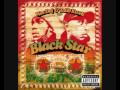
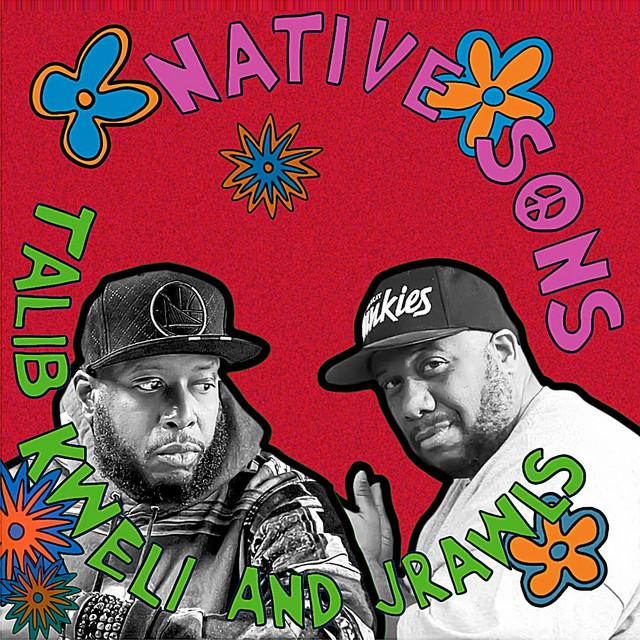
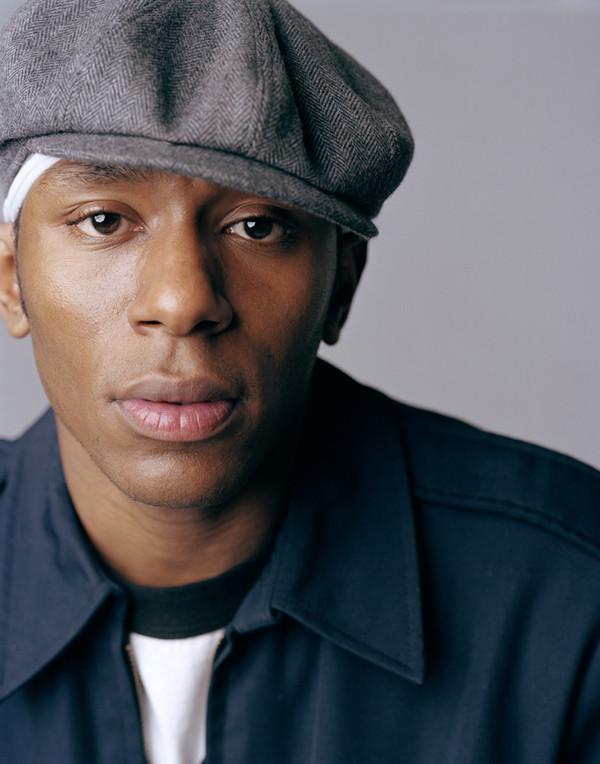
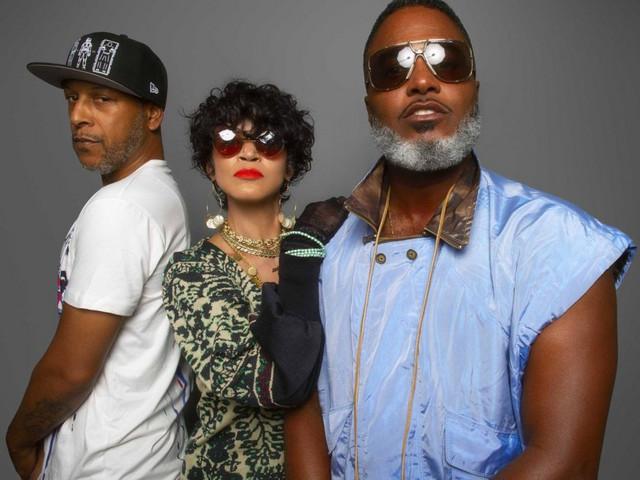
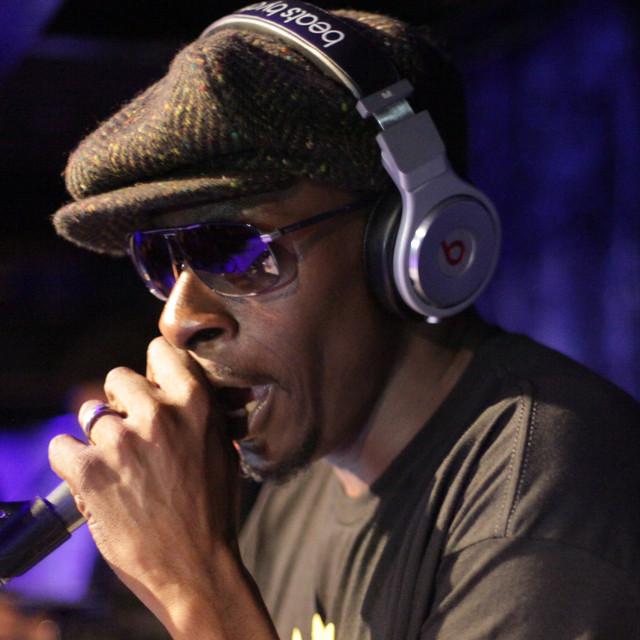
Black Star’s Spotify BioBlack Star, named after the Black Star Line shipping company founded by activist and Pan-Africanist Marcus Garvey, is a collaboration between rappers Yasiin Bey (formerly Mos Def) and Talib Kweli. Although they had been active separately for years, the highly lyrical Brooklynites' 1998 album, Mos Def & Talib Kweli Are Black Star, expanded their audience far beyond devout underground hip-hop listeners, crashing the upper half of the Billboard 200 and placing two singles, "Definition" and "Respiration," in the Top Ten of the rap chart. Bey and Kweli went on to further acclaim as solo artists, and performed and recorded together on occasion, but it wasn't until 2022 that they made a second Black Star album, No Fear of Time, produced entirely by Madlib.
Bey and Kweli became acquaintances through hip-hop cyphers at Washington Square Park in Lower Manhattan, and also performed at open-mike spoken word events. Bey established himself as one-third of Urban Thermo Dynamics, a sibling trio with a… handful of singles for Payday/FFRR from 1994 to 1995, produced by the likes of Salaam Remi, Diamond D, and J-Swift. Around the same time, Kweli made his first recorded appearance as an uncredited featured guest on "Transmoreify," a 1994 track by Cincinnati-based group Mood, whose 1997 LP Doom also featured Kweli on several cuts. Kweli's Midwest activity connected him with producer Hi-Tek, who would become his partner in the duo Reflection Eternal. Bey and Kweli teamed for "Freestyle" on the 1997 Rawkus compilation Soundbombing, but it wasn't until the next year that they launched the Rawkus-signed Black Star with "Definition," an anti-violence track produced by Hi-Tek.
A month after the arrival of their first single -- on September 29, to be exact -- the duo released Mos Def & Talib Kweli Are Black Star. Despite hitting shelves the same day as Jay-Z's Vol. 2...Hard Knock Life, OutKast's Aquemini, A Tribe Called Quest's The Love Movement, and Brand Nubian's Foundation, the album was an unexpected commercial success out of the box, registering at number 53 on the Billboard 200. Quickly regarded as a work of major significance, Mos Def & Talib Kweli Are Black Star yielded a pair of Top Ten hits on Billboard's Rap chart, with "Definition" reaching number three and "Respiration," produced by Hi-Tek with an appearance from Common, peaking at number six. "Definition" also managed to cross into the Hot 100 at number 60, remarkable for a seemingly left-field rap single. In addition to Hi-Tek, the album featured productions from the likes of Da Beatminerz, Shawn J. Period, 88-Keys, J. Rawls, and Ge-ology (with Kweli co-producing a pair). Just as significant as any of the guest verses were the keys of low-profile jazz and R&B legend Weldon Irvine, heard on "Astronomy (8th Light)." Bey and Kweli soon returned the favor with their contributions to Irvine's The Amadou Project: The Price of Freedom.
Black Star recordings and appearances over the next two decades were rare. Bey released his first solo album, Black on Both Sides, in 1999. Kweli and Hi-Tek issued Train of Thought, the first Reflection Eternal LP, in 2000. Throughout the early 2000s, Bey and Kweli delivered Black Star cuts for a handful of compilations and soundtracks. These included "Little Brother" (produced by Jay Dee for The Hurricane), "Money Jungle" (recorded with Ron Carter and Big John Patton for the Duke Ellington tribute and AIDS benefit compilation Red Hot + Indigo), and "Brown Sugar (Raw)" (produced by Kanye West for the soundtrack of Brown Sugar, a film in which Bey starred). Black Star performed at Dave Chappelle's Block Party in 2004, as documented in the film of the same title, and continued to record on a sporadic basis, sometimes appearing on one another's solo projects. More promisingly, in 2011, the duo released the Madlib collaboration "Fix Up" and a track from a planned mixtape tribute to Aretha Franklin. By then, a second proper Black Star album had reportedly been in the works for over half a decade. It didn't reach fruition until May 2022, when No Fear of Time became available exclusively through a subscription podcast network. Madlib produced all nine of its tracks, and featured roles were limited to Black Thought and Yummy Bingham. ~ Andy Kellman, Rovi
Viberate is a music analytics platform built for A&Rs, artist managers, labels, booking agents, marketers, and artists.
It helps music professionals track artist growth, analyze audience data, monitor playlist activity, compare artists, follow song performance, and identify opportunities across the music market.
Public artist pages provide a free preview of selected artist data. Paid plans provide access to deeper analytics, historical data, charts, comparisons, playlist tools, exports, alerts, reports, and additional professional features.
Yes. Public Viberate artist pages provide selected artist analytics and music data for free.
Viberate also offers a 7-day free trial of the full platform. A credit card is required to start the trial. The trial includes access to the complete product so users can test deeper artist analytics, historical views, playlist insights, comparisons, charts, exports, alerts, and reporting features before choosing a paid plan.
Viberate provides artist analytics across streaming, playlists, social media, video, radio airplay, songs, and audience markets.
Users can analyze Spotify performance, Spotify and Apple Music playlists, YouTube activity, TikTok and Instagram growth, radio spins, song performance, audience locations, demographics, rankings, and overall artist momentum.
Artist profiles also connect to music charts, similar artists, and comparison tools, helping users benchmark performance and evaluate artists in context.
Viberate updates key artist and track data daily.
For followed artists and tracks, selected data is refreshed multiple times per day. This helps teams monitor playlist changes, streaming movement, audience growth, releases, and campaign performance with more current data.
Update frequency can vary depending on the metric and data source.
Yes. Viberate lets users compare up to five artists side by side across streaming, social media, audience, and engagement metrics.
Users can compare fanbase growth, audience demographics, locations, Spotify performance, social metrics, and other artist data over selected time periods.
Artist comparison can be used for A&R scouting, benchmarking, booking decisions, campaign planning, and evaluating artists with similar audiences or market positions.