
Black Road

Metal
Doom/Sludge Metal
Stoner Rock
 Viberate Rank: 323623
 Viberate Rank: 323623
 Monthly ListenersFollowers
 Subscribers
 Followers
 Followers
 FansTop Spotify Songs
| Track | 7-Day Streams | |
|---|---|---|
1 | 65 | |
2 | 29 | |
3 | 26 | |
4 | 26 | |
5 | 21 |
Top YouTube VideosMonthly ListenersFeatured in Playlists| Playlist | Followers | |
|---|---|---|
1 |  Stoner Rock A-Z boogievan | 24.16K |
2 | 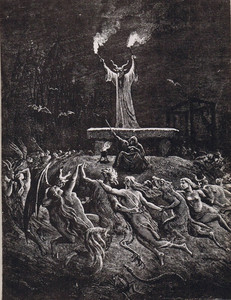 psych stoner doom blues rock metal chris | 3.77K |
3 | Stoned Meadow of Doom Username. | 3.46K |
4 |  𝐏𝐬𝐲𝐜𝐡edelic 𝐒𝐭𝐨𝐧𝐞𝐫 𝐌𝐚𝐫𝐬𝐡 𝙎𝙩𝙤𝙢𝙥𝙞𝙣𝙜𝙇𝙡𝙖𝙢𝙖 | 3.18K |
5 |  STONED MEADOW OF DOOM Capone | 3.07K |
Audience| City | Monthly Listeners | |
|---|---|---|
1 | | 13 |
2 |  | 8 |
3 |  | 7 |
4 | | 5 |
5 |  | 5 |
See full performance history, audience data, playlist activity, rankings, comparisons, and more in Viberate music analytics. Start with a free trial, then continue with a paid plan.
Black Road’s Spotify BioBlack Road is a four-piece sultry stoner/doom band from Chicago, IL. Founding members Tim M. and Suzi Uzi write the riffs and lyrics, with new member Trey Wedgeworth (bass) and newest member Danny Garcia (drums) creating a heavy and harmonious rhythm as the backbone. Formed in the summer of 2015, Black Road has had lineup changes that have pushed the band to become stronger and more focused. Just before acquiring then-new members Robert and Casey in fall of 2016, Black Road signed with DHU Records (Netherlands) for a vinyl and cassette deal. In early 2017, they signed with BloodRock Records (Italy) for the CD release. After almost one full year of gaining their new bassist and drummer, Black Road was finally ready to reveal their self-titled debut Black Road - EP (10/6/2017). One year later, a digital single with a runtime of over ten minutes was released: Witch of the Future. The single album release with two tracks is titled “Blood On The Blade” (4/5/2019), and the 7” vinyl sold out… in 20 minutes in the US and overseas at DHU Records. “Witch of the Future”, the debut full-length attempt, was released on Halloween 2019 with the same two killer labels. It features a completely new recording of the song “Witch of the Future”, and a brand new mix for “Blood on the Blade”. A repress on “Witch of the Future” was released in September 2020, with a limited edition translucent red vinyl via DHU Records and The Company. This second pressing (sold out) featured new artwork.
Viberate is a music analytics platform built for A&Rs, artist managers, labels, booking agents, marketers, and artists.
It helps music professionals track artist growth, analyze audience data, monitor playlist activity, compare artists, follow song performance, and identify opportunities across the music market.
Public artist pages provide a free preview of selected artist data. Paid plans provide access to deeper analytics, historical data, charts, comparisons, playlist tools, exports, alerts, reports, and additional professional features.
Yes. Public Viberate artist pages provide selected artist analytics and music data for free.
Viberate also offers a 7-day free trial of the full platform. A credit card is required to start the trial. The trial includes access to the complete product so users can test deeper artist analytics, historical views, playlist insights, comparisons, charts, exports, alerts, and reporting features before choosing a paid plan.
Viberate provides artist analytics across streaming, playlists, social media, video, radio airplay, songs, and audience markets.
Users can analyze Spotify performance, Spotify and Apple Music playlists, YouTube activity, TikTok and Instagram growth, radio spins, song performance, audience locations, demographics, rankings, and overall artist momentum.
Artist profiles also connect to music charts, similar artists, and comparison tools, helping users benchmark performance and evaluate artists in context.
Viberate updates key artist and track data daily.
For followed artists and tracks, selected data is refreshed multiple times per day. This helps teams monitor playlist changes, streaming movement, audience growth, releases, and campaign performance with more current data.
Update frequency can vary depending on the metric and data source.
Yes. Viberate lets users compare up to five artists side by side across streaming, social media, audience, and engagement metrics.
Users can compare fanbase growth, audience demographics, locations, Spotify performance, social metrics, and other artist data over selected time periods.
Artist comparison can be used for A&R scouting, benchmarking, booking decisions, campaign planning, and evaluating artists with similar audiences or market positions.