Black Hat Music

Electronic
Tech House
 Viberate Rank: 181599
 Viberate Rank: 181599
 Monthly ListenersFollowers
 Subscribers
 Followers
 Followers
 FansTop Spotify Songs
| Track | 7-Day Streams | |
|---|---|---|
1 | 146 | |
2 | 92 | |
3 | 44 | |
4 | 20 | |
5 | 18 |
Top YouTube VideosMonthly ListenersFeatured in Playlists| Playlist | Followers | |
|---|---|---|
1 |  This Is Deep Insane Rafael Ditsuo Saito | 1.71K |
2 |  🚬 WAREHOUSE 🚬 ( HOUSE & TECHNO ) 💀QUARTERJACK💀 | 1.46K |
3 |  HOUSE🍬 vitor gomes | 1.13K |
4 |  House 2026 - Sept 28 Eduardo Schiochet | 1.06K |
Audience| City | Monthly Listeners | |
|---|---|---|
1 | | 65 |
2 | | 49 |
3 | | 42 |
4 | | 37 |
5 | | 20 |
See full performance history, audience data, playlist activity, rankings, comparisons, and more in Viberate music analytics. Start with a free trial, then continue with a paid plan.
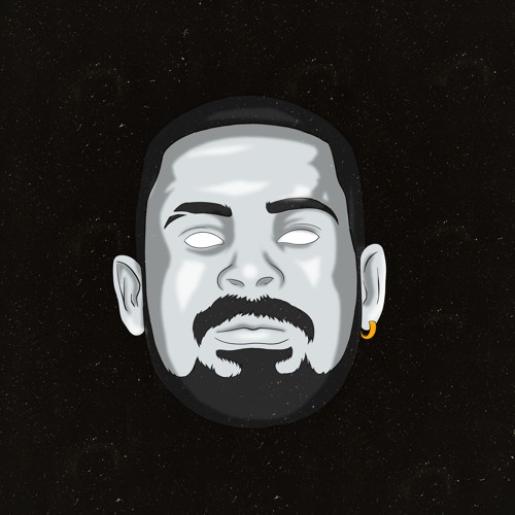
Black Hat Music’s Spotify BioBLACK HAT,
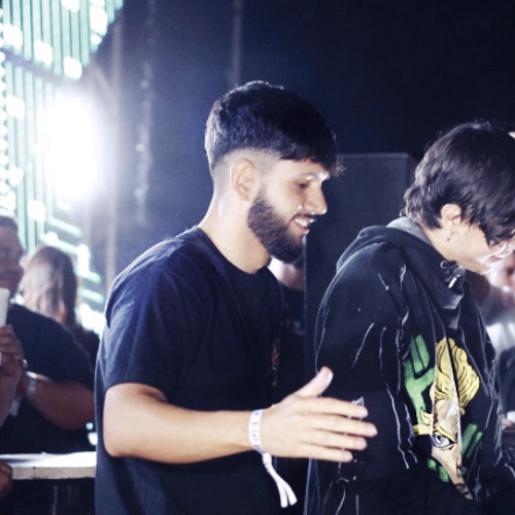
Dj e Produtor a 8 anos, conhecido por ser o “Dj do Chapéu Preto”,
Bruno Rodrigues é o nome por trás do projeto Black Hat, que de 2017 para cá, vem lançando entre collabs, autorais e remixes, mais de 20 músicas, sendo uma delas com suporte em canal do YouTube com quase 1 milhão de inscritos. Outra soma 300 mil plays no SOUNDCLOUD pela Deep Insane Records, além de outras que juntas nas plataformas digitais, já somam mais de 500.000 Plays.
Ao longo desses 8 anos, Já se apresentou em diversos festivais, festas e eventos Renomados, em mais de 60 cidades de 9 estados diferentes (Go, Mt, Mg, Ba, To, Pa, Pr, Ma e Df).
Atualmente conta com mais de 15 mil seguidores e ouvintes orgânicos (sem compra) em todas suas Redes sociais e Plataformas Digitais.
Para saber mais, acompanhe pelas redes sociais e plataformas digitais:
@Black Hat Music
(Instagram, YouTube, Spotify, SoundCloud, etc..).
Viberate is a music analytics platform built for A&Rs, artist managers, labels, booking agents, marketers, and artists.
It helps music professionals track artist growth, analyze audience data, monitor playlist activity, compare artists, follow song performance, and identify opportunities across the music market.
Public artist pages provide a free preview of selected artist data. Paid plans provide access to deeper analytics, historical data, charts, comparisons, playlist tools, exports, alerts, reports, and additional professional features.
Yes. Public Viberate artist pages provide selected artist analytics and music data for free.
Viberate also offers a 7-day free trial of the full platform. A credit card is required to start the trial. The trial includes access to the complete product so users can test deeper artist analytics, historical views, playlist insights, comparisons, charts, exports, alerts, and reporting features before choosing a paid plan.
Viberate provides artist analytics across streaming, playlists, social media, video, radio airplay, songs, and audience markets.
Users can analyze Spotify performance, Spotify and Apple Music playlists, YouTube activity, TikTok and Instagram growth, radio spins, song performance, audience locations, demographics, rankings, and overall artist momentum.
Artist profiles also connect to music charts, similar artists, and comparison tools, helping users benchmark performance and evaluate artists in context.
Viberate updates key artist and track data daily.
For followed artists and tracks, selected data is refreshed multiple times per day. This helps teams monitor playlist changes, streaming movement, audience growth, releases, and campaign performance with more current data.
Update frequency can vary depending on the metric and data source.
Yes. Viberate lets users compare up to five artists side by side across streaming, social media, audience, and engagement metrics.
Users can compare fanbase growth, audience demographics, locations, Spotify performance, social metrics, and other artist data over selected time periods.
Artist comparison can be used for A&R scouting, benchmarking, booking decisions, campaign planning, and evaluating artists with similar audiences or market positions.